Blogs
Cosmetics Manufacturing
Bodycare
Formulating
Innovation
When Is It Time to Change Your Beauty Manufacturer?
Changing manufacturer can feel high risk for beauty brands with established products and loyal consumers. Emma Payne, Sales Director, and Lisa Tucker, Product Development Director at THG LABS, explore the commercial and technical signs that it may be time to move, from capacity, regulatory and quality issues to technology transfer, formulation matching and scale-up.
September 21, 2026
Emma Payne, Sales Director, THG LABS
Lisa Tucker, Product Development Director, THG LABS

Blogs
When Is It Time to Change Your Beauty Manufacturer?
Changing manufacturer can feel high risk for beauty brands with established products and loyal consumers. Emma Payne, Sales Director, and Lisa Tucker, Product Development Director at THG LABS, explore the commercial and technical signs that it may be time to move, from capacity, regulatory and quality issues to technology transfer, formulation matching and scale-up.
September 21, 2026
5 mins read
Emma Payne, Sales Director, THG LABS
Lisa Tucker, Product Development Director, THG LABS
- When Is It Time to Change Your Beauty Manufacturer?
- When Is It Time to Change Your Beauty Manufacturer?
- Why do beauty brands change manufacturers?
- What are the signs that a beauty brand may have outgrown its manufacturer?
- Why does cosmetic scale-up require more than making a bigger batch?
- The manufacturing process forms part of the product's technical identity.
- What is technology transfer in cosmetic manufacturing?
- What information does a beauty manufacturer need for a successful technology transfer?
- Can an existing cosmetic formula be transferred to another manufacturer?
- Why does sensory performance matter during technology transfer?
- When do quality issues become a reason to reconsider a manufacturer?
- How can manufacturing efficiency affect a growing beauty brand?
- Can regulatory requirements become a reason to change beauty manufacturer?
- How important is communication when choosing a beauty manufacturer?
- What happens when a brand wants to enter new categories or markets?
- How can beauty brands reduce the risk of changing manufacturer?
- What should beauty brands look for in a new manufacturing partner?
- Supporting beauty brands through technology transfer and commercial scale-up
When Is It Time to Change Your Beauty Manufacturer?
Beauty brands rarely begin a conversation about changing manufacturer without a reason.
More often, something has changed. The brand has grown, capacity has become constrained, service levels are creating friction, quality issues are becoming harder to overlook, or the manufacturing relationship that once worked well is no longer supporting where the business needs to go.
Moving an existing product or portfolio brings questions around technology transfer, formulation matching, scale-up, testing, packaging compatibility, regulatory requirements and continuity of supply. A successful product may already have an established sensory profile, proven claims, defined specifications and considerable consumer recognition. Protecting those characteristics matters.
This creates an understandable tension.
There may be strong commercial reasons to move, while the perceived technical risk of doing so encourages a brand to stay.
The real question therefore becomes: at what point does the risk or constraint of staying outweigh the challenge of changing?
Why do beauty brands change manufacturers?
There is rarely one single reason.
A manufacturing relationship may have worked extremely well when a brand was smaller, its portfolio was simpler or its distribution was concentrated within one market. As volumes grow and commercial requirements become more sophisticated, the demands placed on the supply chain change too.
Capacity, production efficiency, technical capability, testing, regulatory requirements, packaging complexity, project management and speed can all become increasingly important.
From a commercial perspective, manufacturers often become part of the infrastructure supporting a brand's growth. When that infrastructure starts restricting rather than enabling the business, brands understandably begin to reassess the relationship.
The question becomes less about whether a manufacturer can produce the formula today and more about whether the overall manufacturing model can support where the brand intends to go next.
What are the signs that a beauty brand may have outgrown its manufacturer?
Growth can expose limitations that were far less significant at lower volumes.
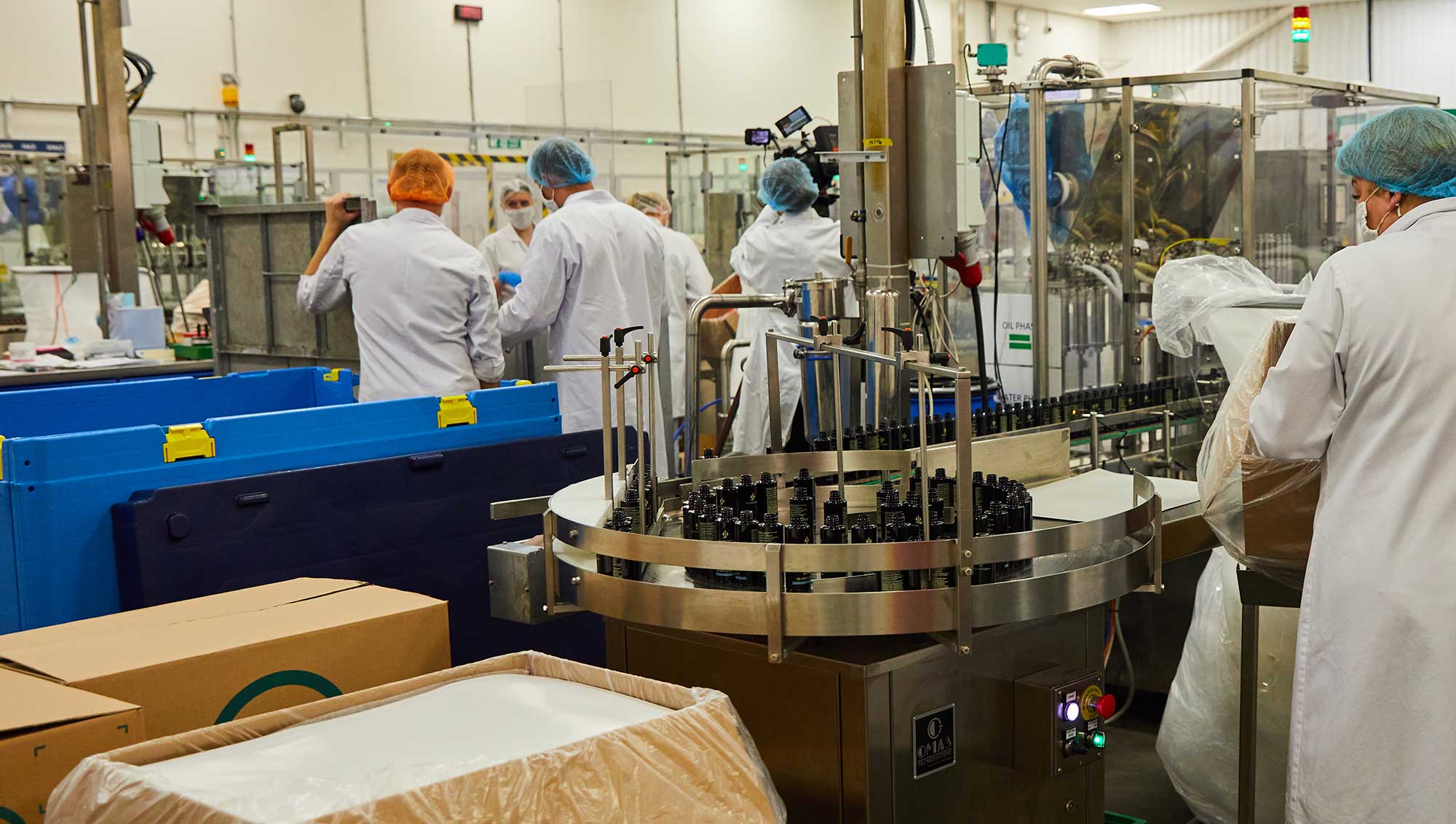
Production slots may become difficult to secure. Lead times can lengthen. A manufacturer may lack sufficient vessel capacity, filling capability or operational flexibility. New packaging formats may prove difficult to accommodate. Increasingly complex innovation pipelines can also require expertise beyond the original manufacturing brief.
This becomes particularly important when growth happens quickly. A major retail listing, successful international expansion or rapid growth through social commerce can create a step-change in demand rather than a predictable, gradual increase. Brands therefore need to understand whether their manufacturing infrastructure has sufficient flexibility to respond.
Useful questions include:
- Can production volumes increase significantly without fundamentally redesigning the manufacturing process?
- Are suitable manufacturing vessels available across different batch sizes?
- Can filling capabilities accommodate the required formats, pack sizes and future portfolio development?
- What happens if actual demand significantly exceeds the forecast?
- Can pilot manufacturing transition effectively into commercial-scale production?
- Is there sufficient technical support to troubleshoot issues as volumes and complexity increase?
Capacity alone does not guarantee scalability. True scalability depends on the relationship between formula, process, equipment and operational capability.
Why does cosmetic scale-up require more than making a bigger batch?
One of the most technically important stages in cosmetic manufacturing is the transition between a laboratory formulation and commercial production.
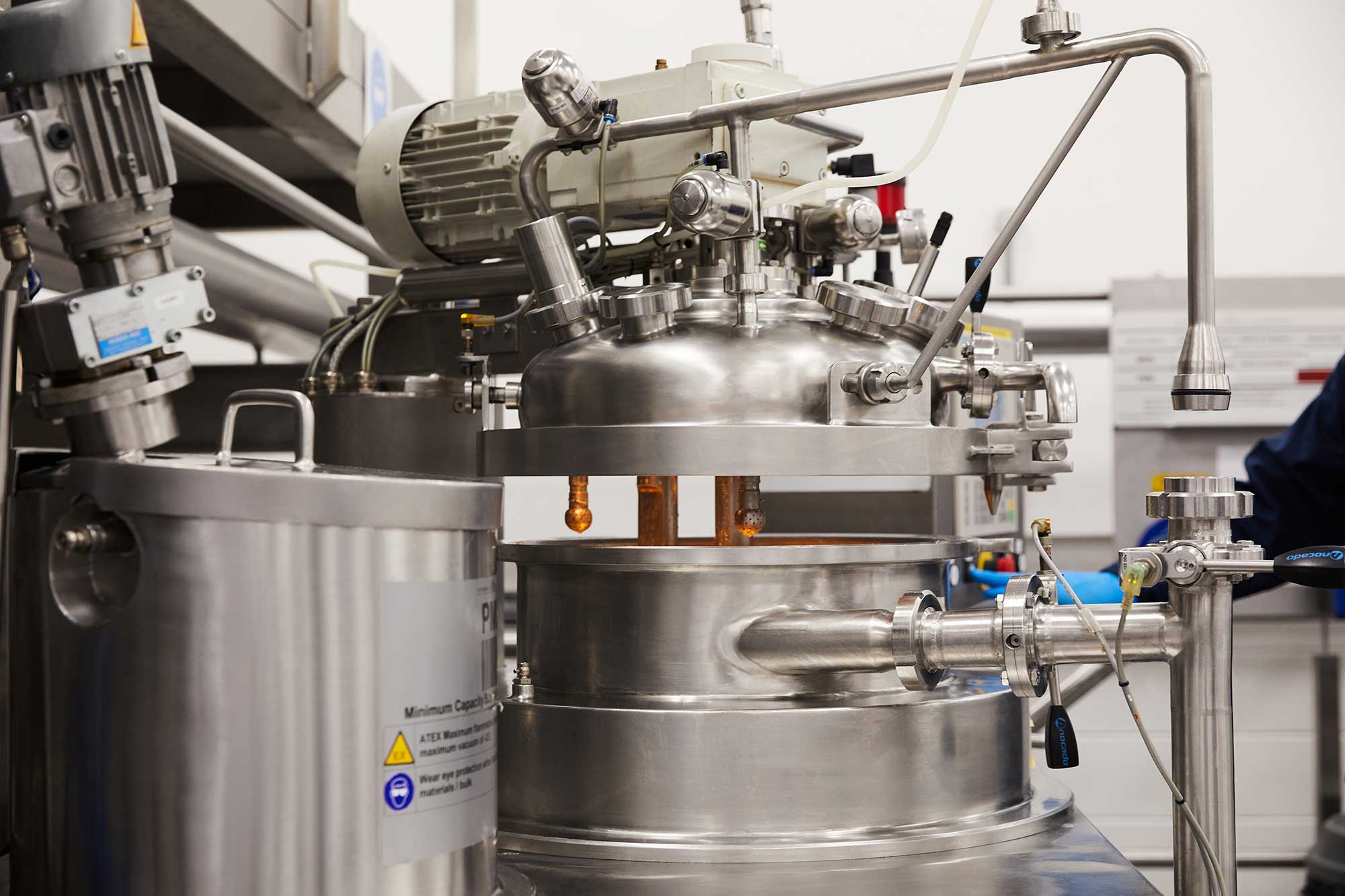
A formula does not necessarily behave identically as batch size increases. Mixing energy, shear, vessel geometry, heating and cooling profiles, homogenisation, ingredient addition sequence and processing time can all influence the characteristics of the finished product.
For emulsions, apparently small processing differences may affect viscosity, droplet distribution, stability, appearance and sensory performance.
Haircare formulations can present different challenges around deposition, conditioning, foam or rheology. Suncare requires particularly careful control because sensoriality, film formation and product performance sit alongside specific testing and regulatory requirements.
Experienced scale-up teams therefore look beyond the ingredient list.
The manufacturing process forms part of the product's technical identity.
Successful scale-up requires an understanding of which processing parameters are critical, which tolerances are acceptable and how the formulation responds to the equipment available within the commercial manufacturing environment.
That requires collaboration across disciplines. Product Development, R&D, Packaging, Regulatory, Quality and Compounding and Production may all have a role in determining whether a product can move successfully into commercial manufacture.
The objective is straightforward, even when the technical process is complex: maintain the characteristics that made the formulation successful while developing a repeatable, robust manufacturing process at scale.
What is technology transfer in cosmetic manufacturing?
Technology transfer, often shortened to tech transfer, is the structured transfer of the technical knowledge required to manufacture an existing product successfully within a different production environment.
For a beauty brand considering moving manufacturer, this is one of the most important elements of the transition. The formula itself represents only part of that knowledge. A comprehensive technology transfer may include:
- full formula and raw material information
- raw material specifications
- manufacturing instructions
- ingredient addition sequence
- processing temperatures
- mixing and homogenisation requirements
- processing times
- critical process parameters
- target viscosity and pH
- bulk specifications
- microbiological requirements
- packaging information
- stability and compatibility data
- filling requirements
- quality control specifications
- finished product standards
- relevant performance and claims data.
A capable technical team will assess this information in the context of its own manufacturing environment.
Factories differ. Vessel geometry, mixers, homogenisers, heating and cooling systems, batch sizes, transfer systems and filling equipment can all vary. A manufacturing process developed around one configuration may therefore require carefully controlled adaptation before it can operate effectively elsewhere.
The goal is consistent product performance and quality, rather than mechanically recreating every historic manufacturing step.
What information does a beauty manufacturer need for a successful technology transfer?
The quality of the information available at the beginning of a transfer can significantly influence the efficiency of the process.
Ideally, a prospective manufacturer needs to build as complete a technical picture of the existing product as possible. This may include the formula and manufacturing method, product specifications, raw material details, existing stability and compatibility information, microbiological standards, packaging specifications and details of previous production experience.
Commercial information matters too. Expected volumes, projected growth, required batch sizes, target markets and anticipated production frequency can influence how the product should be approached operationally.
An established physical benchmark can also be extremely valuable. A product specification can describe viscosity, colour or pH, but the consumer experience may contain attributes that are difficult to capture through numerical specifications alone.
For example:
How quickly does the product absorb?
How much slip does it have?
What does the residue feel like?
How dense is the foam?
How does hair feel during rinsing and once dry?
Understanding these characteristics gives development teams a more complete definition of what successful transfer actually means.
Can an existing cosmetic formula be transferred to another manufacturer?
In many cases, yes. Successful transfer, however, requires technical due diligence.
A prospective manufacturing partner will usually need to assess the formulation, raw material availability, manufacturing method, specifications, equipment compatibility, regulatory position, packaging and required product performance before determining the most appropriate route.
Sometimes a relatively direct transfer is achievable. In other circumstances, formulation matching may be required. A specific raw material may no longer be available or commercially viable. Certain ingredients may be tied to an existing supply arrangement. Processing equipment may differ sufficiently that controlled adjustments are required to achieve comparable product characteristics.
Where formulation matching is required, it’s important that the objective is clearly defined. For an established product, teams may need to consider a combination of:
- visual appearance
- viscosity and rheology
- spread and glide
- absorption
- tack and residue
- fragrance
- foam profile
- cleansing characteristics
- conditioning performance
- deposition
- wash-off
- afterfeel
- packaging behaviour.
The required degree of matching will depend on the product and the brief. For a hero SKU with a loyal consumer following, even the smallest differences can matter considerably.
Why does sensory performance matter during technology transfer?
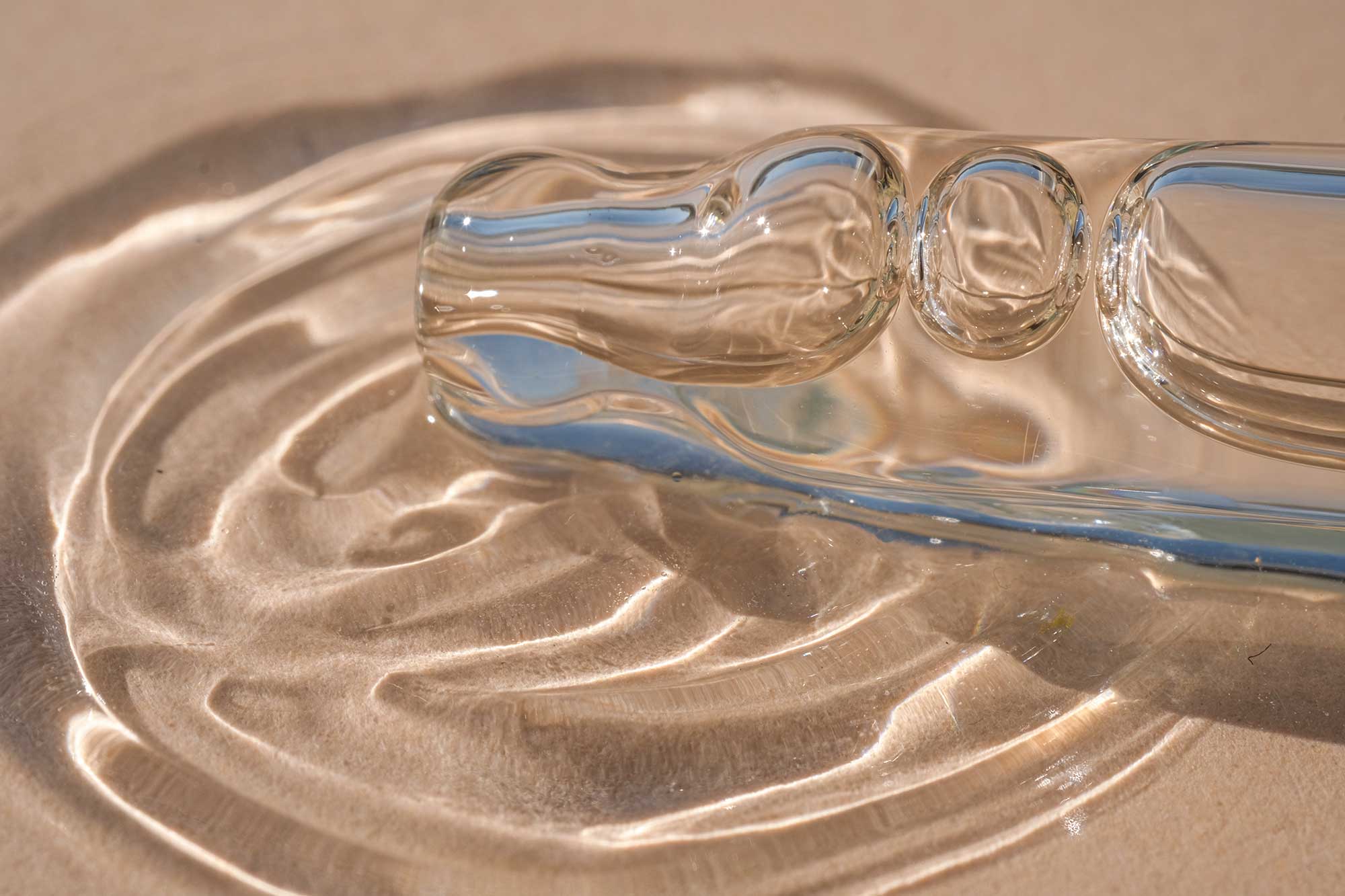
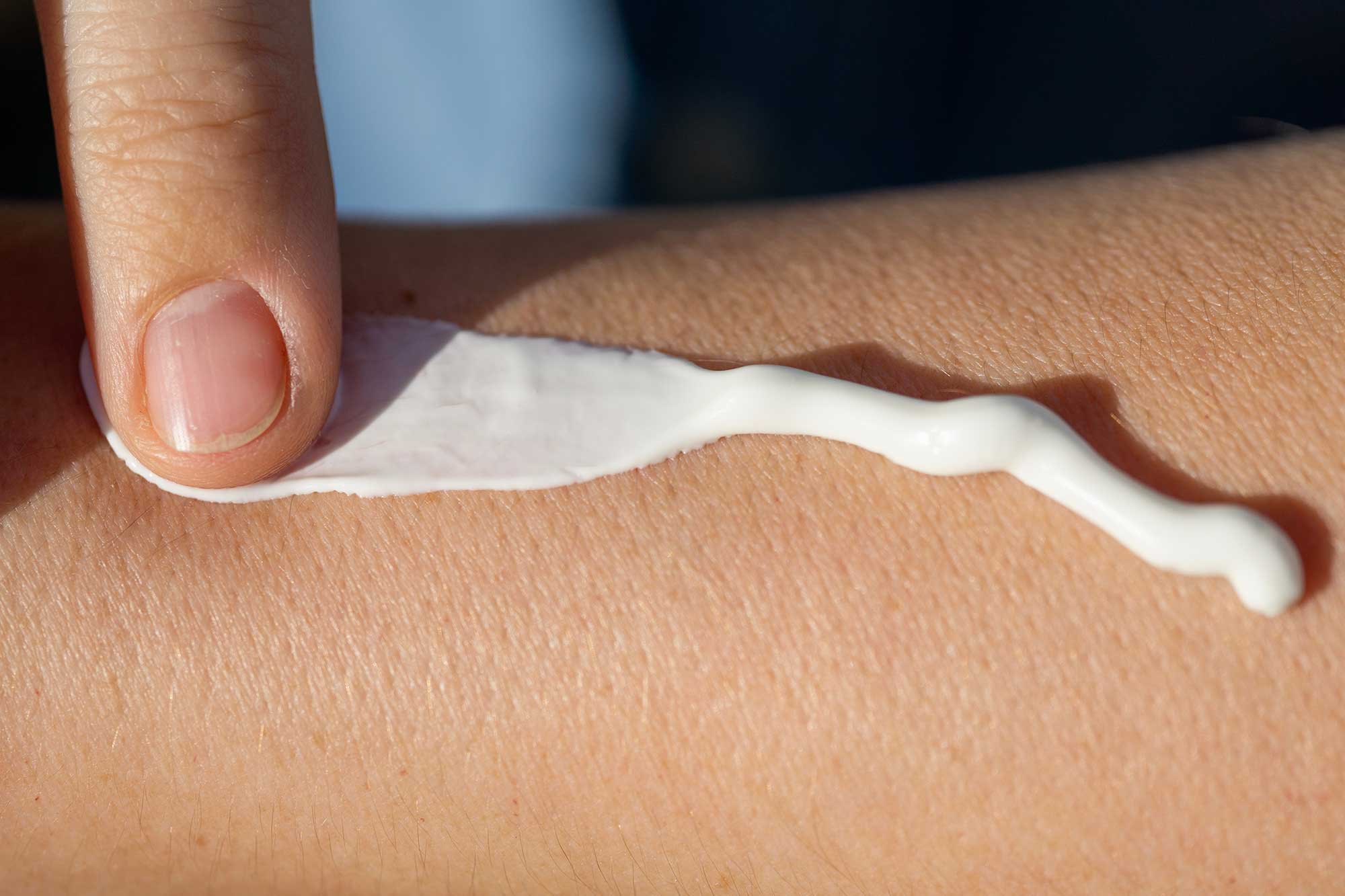
Consumers experience a beauty product through its performance and sensory profile. They notice how it dispenses, spreads, foams, absorbs, rinses and dries down. They recognise the slip of a conditioner, the richness of a moisturiser or the way a sunscreen settles on the skin.
Two formulas can appear technically similar on paper while producing noticeably different experiences in use. That makes sensory evaluation an important part of formulation matching and technical transfer.
For skincare and bodycare, attributes such as glide, cushion, playtime, richness, absorption, tack and residue can be important.
For haircare, teams may consider wet combing, foam quality, conditioning, rinse feel, deposition and dry-hair characteristics.
In suncare, the relationship between formulation architecture, sensory profile and tested performance adds another layer of technical complexity.
For established brands, sensory consistency has a commercial dimension too. Texture can form part of product recognition and consumer loyalty. Protecting that experience during transfer therefore has implications far beyond aesthetics.
When do quality issues become a reason to reconsider a manufacturer?
Issues can occur within even sophisticated manufacturing environments.
What matters is their frequency, severity and how effectively they are managed. Repeated batch variation, unexplained viscosity movement, out-of-specification results, packaging compatibility problems, recurring microbiological concerns or inconsistent finished product performance can point towards wider weaknesses in process control.
Brands should also consider the quality of the response:
· Are investigations timely and transparent?
· Is root cause genuinely understood?
· Are corrective and preventative actions implemented?
· Does the manufacturer have sufficient traceability across raw materials, bulk manufacture, filling and finished goods?
As a brand grows, the consequences of inconsistency grow with it. A quality issue affecting a relatively small production run has very different commercial implications from one affecting large volumes distributed across multiple retailers and markets. Manufacturing quality therefore needs to evolve alongside the commercial scale of the brand.
How can manufacturing efficiency affect a growing beauty brand?
Manufacturing economics change with volume. Processes that were appropriate at an earlier stage of a brand's development may become inefficient as demand increases. Larger manufacturing vessels, automation, line speed, efficient changeovers and purchasing scale can all influence production economics.
However, price per unit provides only part of the commercial picture. Lead times have a cost. Stock-outs have a cost. Excessive minimum order quantities have a cost. Quality failures, waste, repeated troubleshooting and intensive internal management all have costs too.
For growing brands, the more useful question is therefore:
“Can our manufacturing model become more commercially efficient and resilient as we scale?”
That assessment may reveal opportunities that go beyond a simple price comparison between suppliers.
Can regulatory requirements become a reason to change beauty manufacturer?
As a beauty brand grows, the regulatory demands placed on its manufacturing partnership can become considerably more complex.
A manufacturer that has successfully supported a brand within one market or at an earlier stage of its development may not always have the regulatory expertise, infrastructure or resource required to support a broader distribution footprint. Expansion into new territories, entry into more technically complex categories or changes to claims and product positioning can introduce additional requirements around formulation, testing, documentation, labelling and compliance.
This can become particularly relevant when a brand is considering regional or international growth. The regulatory position of an existing product needs to be understood alongside its formula, packaging and manufacturing process. Ingredient requirements, claims, testing expectations and documentation can vary between markets, while categories such as suncare can bring an additional level of regulatory complexity.
Regulatory capability therefore forms part of the technology transfer assessment. Before manufacturing moves, the incoming partner needs to understand where the product is sold today, where the brand intends to take it next and whether the existing technical and regulatory package can support those ambitions.
For growing brands, useful questions include:
- Can the manufacturer support the regulatory requirements of the markets we intend to enter?
- Are formula, claims, testing, packaging and labelling considerations reviewed early in the transfer process?
- Does the partner have experience in categories where regulatory requirements are particularly complex?
- Can potential compliance issues be identified before they affect transfer timelines or future launches?
- Is regulatory expertise integrated with R&D, Product Development, Quality and manufacturing teams?
The right manufacturing partner should provide the capacity to support growth, but also the technical infrastructure behind it. For brands expanding their portfolio or geographical reach, regulatory expertise can become an important part of determining whether a manufacturing relationship remains fit for the next stage of the business.

How important is communication when choosing a beauty manufacturer?
Manufacturing is deeply collaborative. A successful launch can involve Product Development, R&D, Packaging, Regulatory, Procurement, Planning, Quality, Operations and commercial teams. Poor communication across that chain can quickly translate into delays and risk.
Some brands begin exploring alternative manufacturers because they have gradually lost visibility. Responses take longer. Timelines become difficult to understand. Problems are surfaced late. Ownership becomes unclear.
For brand teams managing complex development calendars, that friction consumes valuable internal resource. Good project management therefore contributes directly to manufacturing performance.
Brands need clarity around where a project sits, which decisions are required, what risks have been identified and what needs to happen next. Strong manufacturing partnerships create that visibility.
What happens when a brand wants to enter new categories or markets?
Growth can also mean broadening the portfolio, entering adjacent categories or taking established products into new markets.
A skincare brand may want to enter haircare. A bodycare portfolio may evolve into suncare. An established range may need new formats, different packaging architectures or additional testing to support future retail and distribution plans.
At this stage, the breadth of a manufacturing partner's capability becomes increasingly important.
Brands may need access to specialist formulation teams, instrumental testing, packaging development, process engineering, scale-up expertise and manufacturing environments suited to different product types and formats. Strong cross-functional capability can make it easier to manage increasingly complex innovation pipelines without adding unnecessary hand-offs between multiple suppliers.
For a growing brand, the question is therefore whether its manufacturing partner can support the portfolio it has today while also providing the technical and operational capability required for what comes next.
How can beauty brands reduce the risk of changing manufacturer?
The perceived risk of moving is one of the strongest reasons brands remain with manufacturing arrangements that no longer fully meet their needs. That risk can be managed through a structured transfer process.
Before any commercial manufacture begins, the prospective partner needs to build a detailed understanding of the existing product and identify potential technical differences between the current and proposed manufacturing environments.
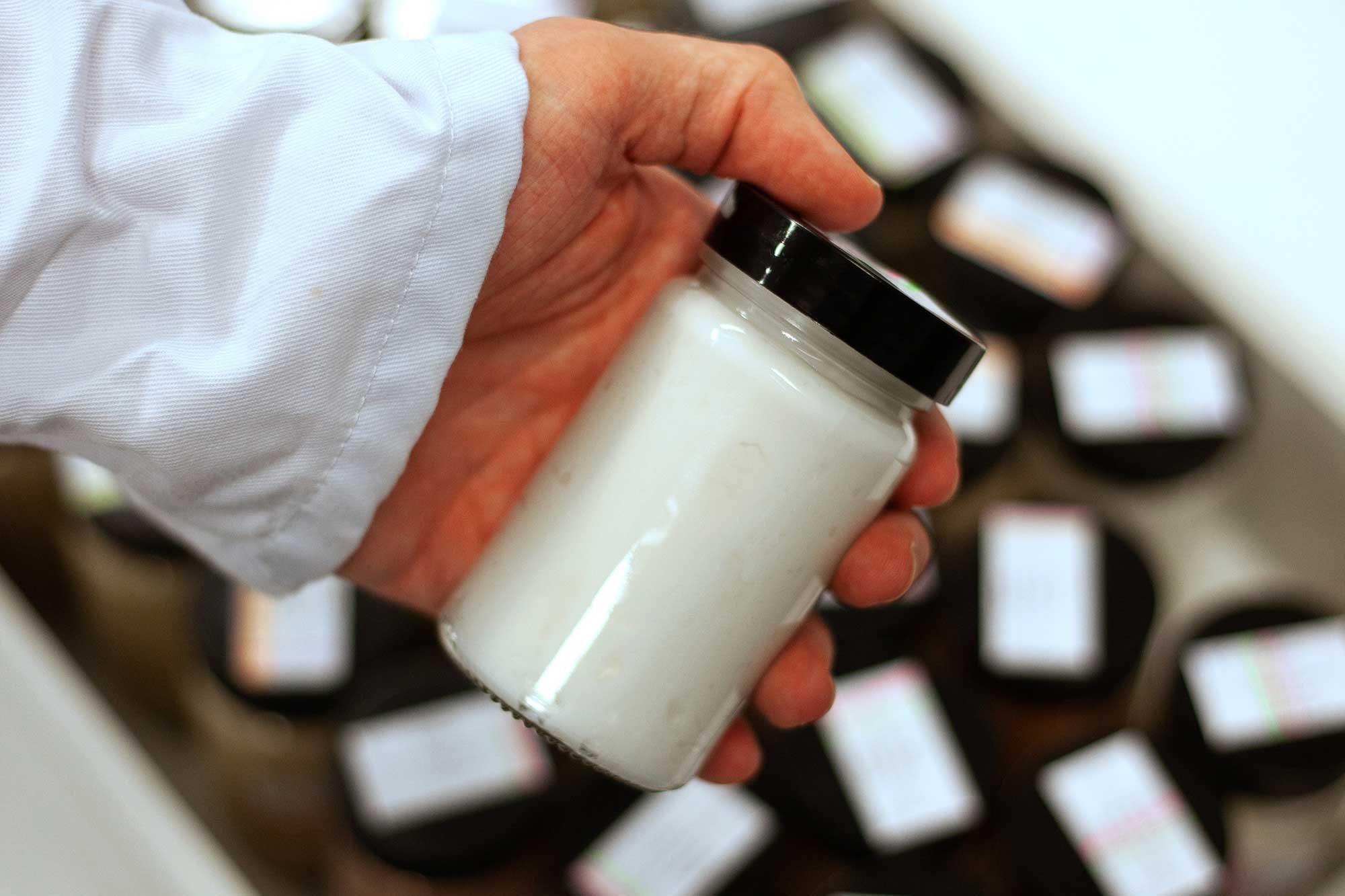
Laboratory work can help establish the product benchmark. Feasibility can identify potential formula, process or packaging challenges. Pilot manufacturing can provide an important bridge between laboratory development and full commercial scale.
Testing requirements will depend on the category, formula, pack and intended markets, but may include stability, compatibility, microbiology, instrumental assessment, performance testing and relevant external testing.
Packaging is also an early consideration. A formulation does not exist independently of its pack. Pump architecture, tubes, jars, airless systems, filling temperatures, component materials and dispensing mechanisms can all affect product behaviour.
Successful feasibility means teams to consider formula, process and packaging as an interconnected system.
What should beauty brands look for in a new manufacturing partner?
Technical expertise and manufacturing scale both matter. So do quality, service and the ability to work effectively across multiple disciplines.
For brands assessing potential partners, several questions are particularly useful:
Does the manufacturer understand the formulation as well as the production process?
This becomes especially important during technical transfer, scale-up and troubleshooting.
Is there meaningful cross-functional expertise?
Complex projects frequently require input from several functions. The ability to bring the right specialists into the conversation can identify issues earlier and improve decision-making.
Can the manufacturing infrastructure support future growth?
Brands should assess tomorrow's requirements alongside today's volumes.
How robust is the feasibility process?
Potential formula, packaging and process issues should be identified as early as possible.
What testing capability is available?
Access to useful technical data can improve formulation decisions, troubleshoot problems and support the route towards commercialisation.
How is project ownership managed?
Brands should understand who is responsible for progressing the project and how information moves between technical and operational teams.
Can the partner support future innovation?
A manufacturer able to support product development as well as production can provide greater continuity as a portfolio evolves.
Changing manufacturer does not necessarily mean starting again
For established beauty brands, this may be the most important point. The fear of losing what already works can become a powerful reason to remain with an incumbent manufacturer.
A hero product may represent years of development and considerable brand equity. Consumers recognise its texture, fragrance and performance. Retailers understand its sales history. The business understands how it performs commercially.
Moving that product can understandably feel high risk. A well-managed technology transfer approaches the challenge differently. It identifies which characteristics need to remain constant, understands which technical variables need careful management and builds a robust process around reproducing the required product within the new manufacturing environment.
That distinction gives brands greater freedom when considering their manufacturing strategy. The decision does not have to be framed as choosing between staying with an unsatisfactory arrangement and rebuilding successful products from scratch. There can be a technically managed route between the two.
When does staying become the bigger risk?
Changing manufacturer requires careful consideration. Staying should be subject to the same scrutiny.
Capacity constraints, persistent quality issues, poor communication, slow innovation, operational inefficiencies or capability gaps can gradually introduce risk into the business.
The strongest time to explore alternatives is often before those pressures become critical. That provides space for technical assessment, laboratory work, feasibility, trials, testing and scale-up to be undertaken properly rather than attempting to transfer production during a supply crisis.
For growing beauty brands, the question may therefore be less:
“How risky would it be to change manufacturer?”
and more:
“Is our current manufacturing model still capable of supporting where we want the brand to go?”
Supporting beauty brands through technology transfer and commercial scale-up
At THG LABS, conversations around manufacturing transfer converge around commercial ambition and technical reality. Our role is to understand both.
THG LABS brings together Product Development, R&D, Packaging, Regulatory, Quality, Process expertise and Manufacturing to support beauty brands across the journey towards commercial production.
For brands exploring a manufacturing move, this can include reviewing existing formulations and manufacturing processes, formulation matching where required, laboratory assessment, feasibility, testing, pilot manufacture, scale-up and commercialisation. The objective is to protect the characteristics that already make a successful product distinctive while creating a manufacturing model capable of supporting its next stage of growth.

ABOUT THE AUTHORS
Emma Payne
Sales Director, THG LABS (Acheson)
Emma Payne, with over 25 years of expertise in the beauty industry, has a distinguished track record. As Sales Director at THG LABS, she propels sales and advances brand development for the global beauty brands we serve through strategic product development and our culture of collaboration, quality and innovation.
Starting her career at Boots as a Product Manager, Emma joined THG LABS (Acheson) in 1998. Since then, she has skilfully overseen cross-functional teams in both product and sales, nurturing partnerships with brands, retailers and suppliers across diverse personal care categories.
With her incredible knowledge of the industry and the intricacies of beauty manufacturing, Emma’s leadership is defined by a commitment to teamwork and the execution of impactful strategies that consistently yield results.

Lisa Tucker
Product Development Director, THG LABS (Acheson)
With over 30 years’ experience in beauty manufacturing, Lisa Tucker is Product Development Director at THG LABS. Working across customer briefs, product strategy and cross-functional development to help beauty brands translate market opportunities into technically credible, commercially scalable products.