
Beauty Bites
Scroll. Snack. Spark ideas.
Short on time? Beauty Bites is your fast-feed of beauty intelligence.
Here, we distil beauty's big conversations into credible, bite-sized
insights you can scroll in seconds. Think of it as your science-backed
beauty snack: quick enough to digest on the go, sharp enough to
spark ideas, and designed to help you dip deeper into our reports,
blogs and expert resources… if you’re still hungry for more.
Feed your curiosity.
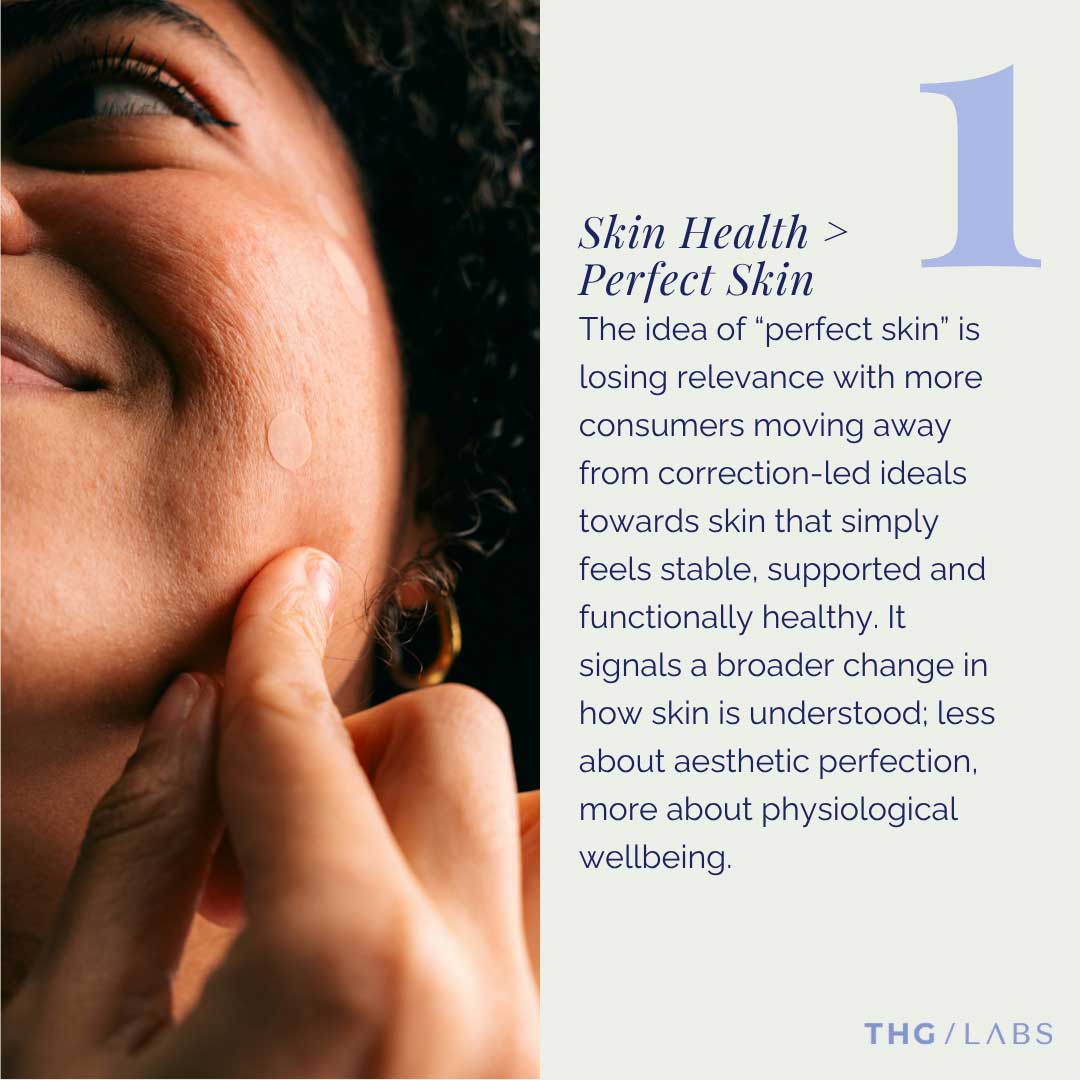
5 Skincare Shifts Beauty Brands Can't Afford to Ignore
The skincare category continues to evolve beyond individual ingredients and hero claims. Consumers are more discerning about what they buy, why they trust it and how products fit into long-term skin health. This is influencing every stage of product development, from formulation strategy and clinical substantiation to texture design and communication. For beauty brands, understanding these developments is essential for creating skincare that delivers both commercial relevance and scientific credibility.
Why is skincare moving from aesthetic perfection towards skin health?
The language surrounding skincare has changed its focus. Rather than pursuing the idea of "perfect skin", many consumers are prioritising resilience, comfort and long-term skin function. This is driving demand for formulations that support the skin barrier, hydration and overall skin wellbeing, with efficacy judged according to how skin feels and performs over time rather than simply how it looks.
What are consumers looking for from modern skincare products?
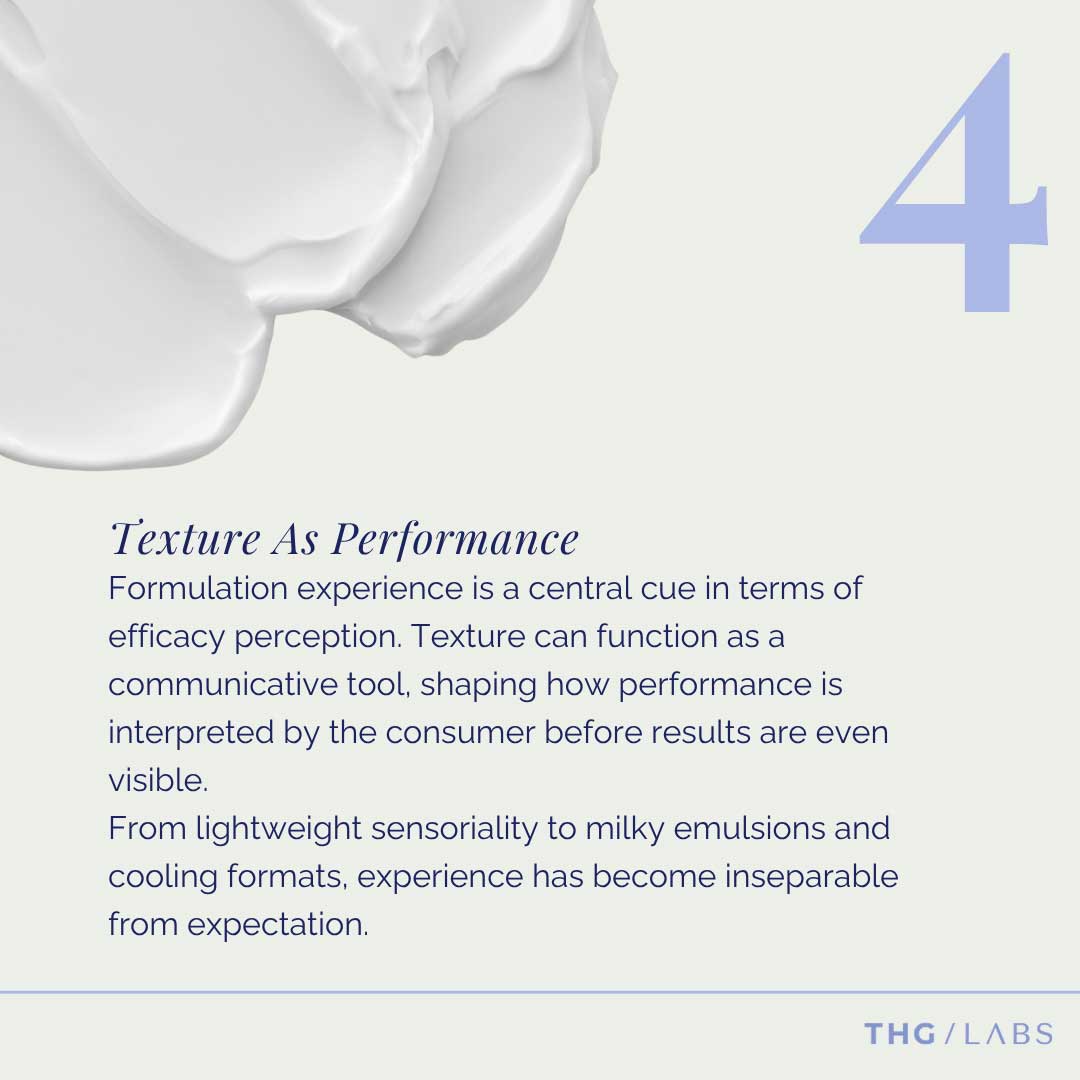
Today's consumers expect more thoughtful formulation and clearer evidence behind product performance. Prevention is becoming as important as correction, while overcrowded routines are giving way to purposeful product selection. At the same time, texture has become a critical part of the product experience, influencing perceptions of efficacy, quality and everyday usability before visible results are achieved. Clinical credibility is also gaining importance, with greater interest in substantiated claims, measurable outcomes and transparent communication.
What does this mean for brands developing next-generation skincare products?
Successful skincare innovation is depending more and more on balancing formulation science with consumer expectations. Brands must develop products that combine evidence-led performance, elegant sensory characteristics and commercially scalable manufacturing without unnecessary complexity. Early collaboration across formulation, regulatory, testing and manufacturing helps ensure products not only deliver measurable performance but also meet evolving expectations for trust, transparency and long-term skin health.
Why this matters for beauty brands
For THG LABS, these shifts reinforce that successful skincare development can’t be defined by ingredients alone. The strongest products combine purposeful formulation, robust substantiation, desirable sensory performance and scalable manufacturing. By bringing these disciplines together from concept through to commercial production, brands are better positioned to develop skincare that meets changing consumer expectations while building long-term commercial value.

SPF Innovation:
Why Wearability Is a Competitive Advantage in Sunscreen Development
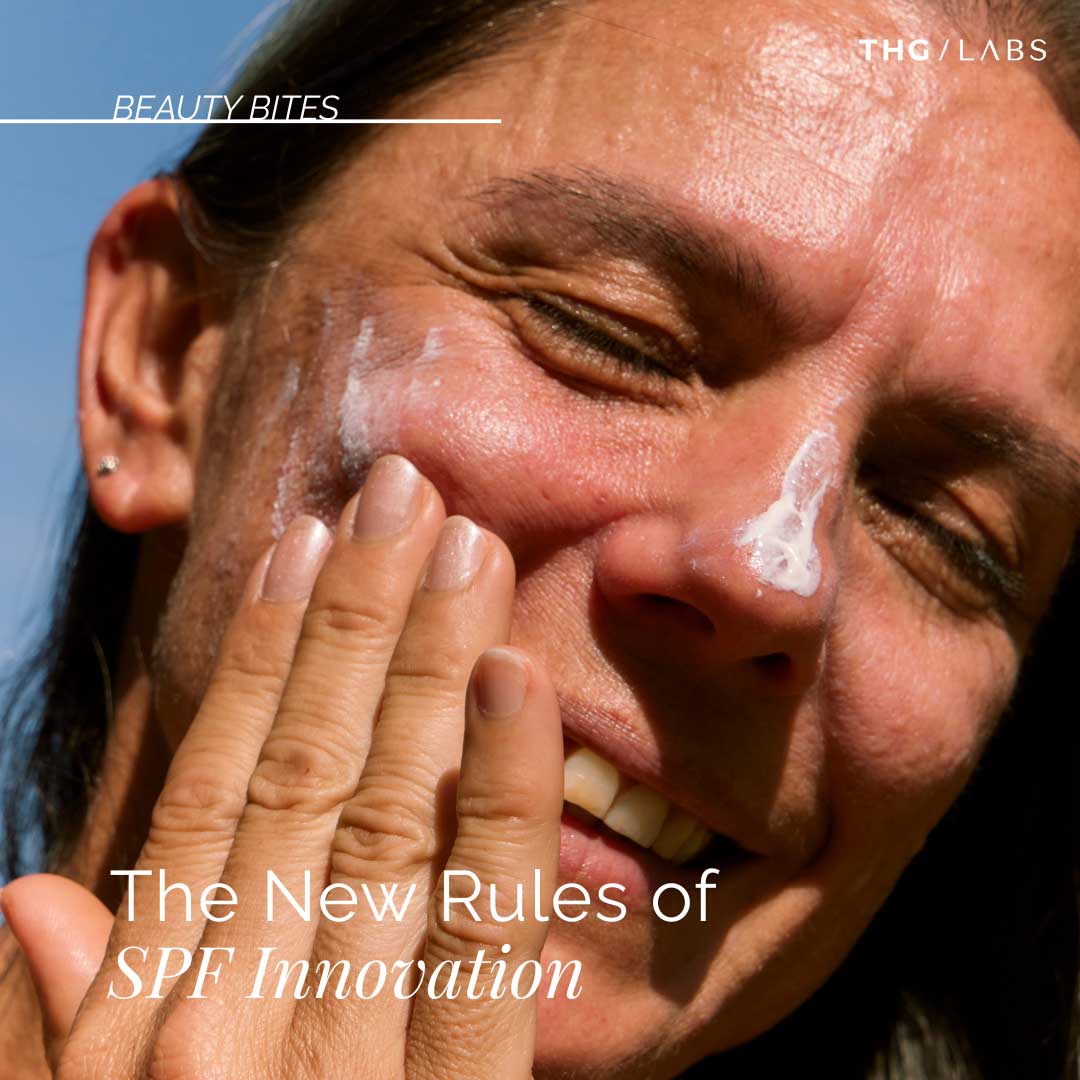
Consumers aren’t simply judging a sunscreen solely by its SPF number. More and more, purchasing decisions are influenced by how a product feels on the skin, how well it integrates into existing beauty routines and whether it delivers the same premium experience expected from modern skincare.
For beauty brands, this represents an important development. High UV protection remains essential, but successful SPF innovation now requires equal attention to sensory optimisation, formulation elegance, inclusive performance and everyday usability.
As a beauty product development and manufacturing partner, THG LABS is seeing these changing expectations influence everything from ingredient selection and emulsion design to manufacturing feasibility, stability testing and packaging compatibility.
What do consumers expect from modern SPF products?
Today's sunscreen products are expected to perform across multiple dimensions simultaneously. Formulators must balance broad-spectrum UV protection with elegant textures, rapid absorption, stability, water resistance, compatibility with active skincare ingredients and increasingly sophisticated sensory expectations.
Achieving these characteristics has to be carefully optimised throughout development. Small adjustments to filter systems, emollients, rheology modifiers or emulsifier packages can significantly influence aesthetics, stability and manufacturing performance.
The result is that SPF remains one of the most technically complex categories within cosmetic formulation, requiring specialist development expertise alongside robust testing before commercial scale-up.
How can beauty brands develop more competitive SPF products?
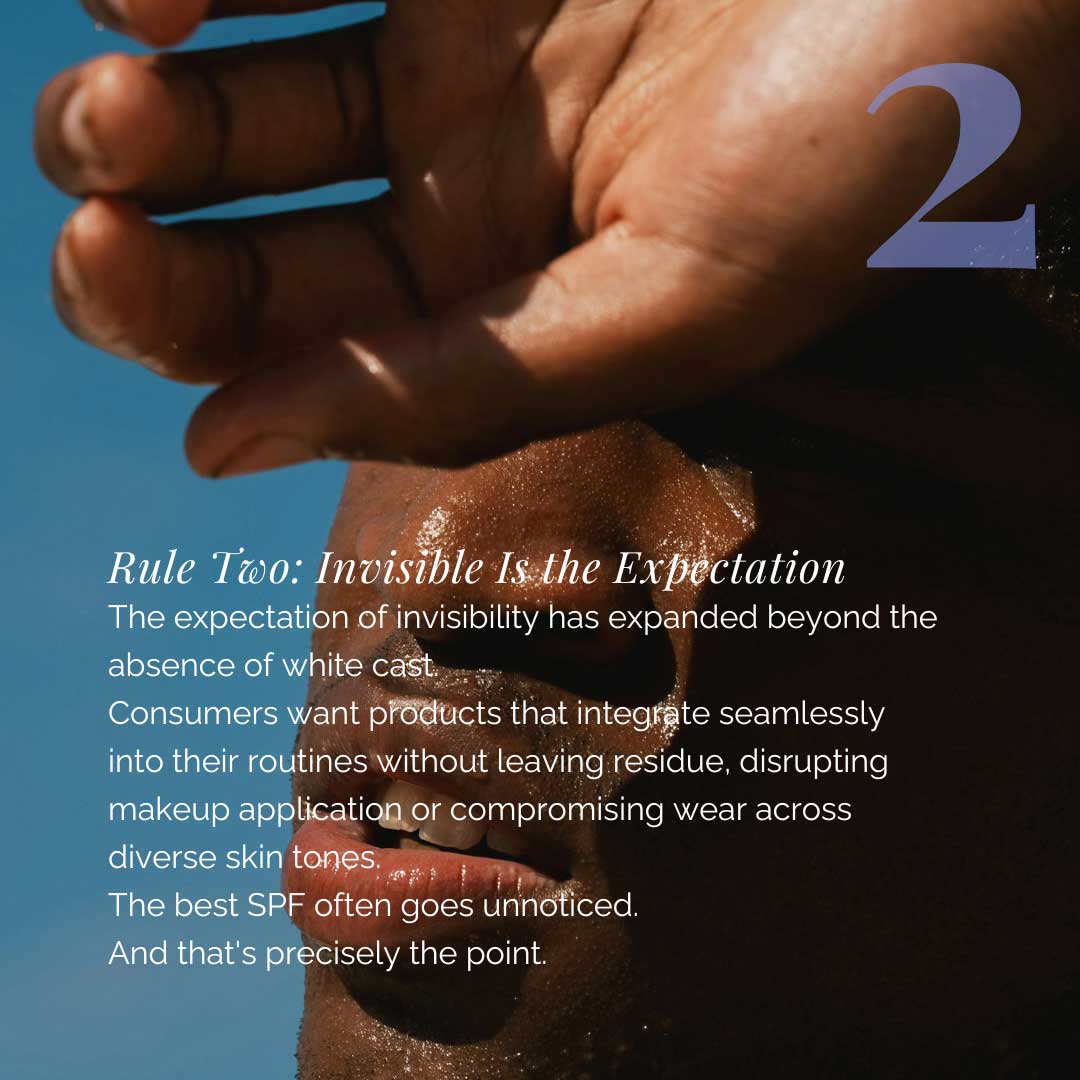
Consumers are evaluating SPF products as part of their daily skincare routine rather than as products reserved for holidays or summer months.
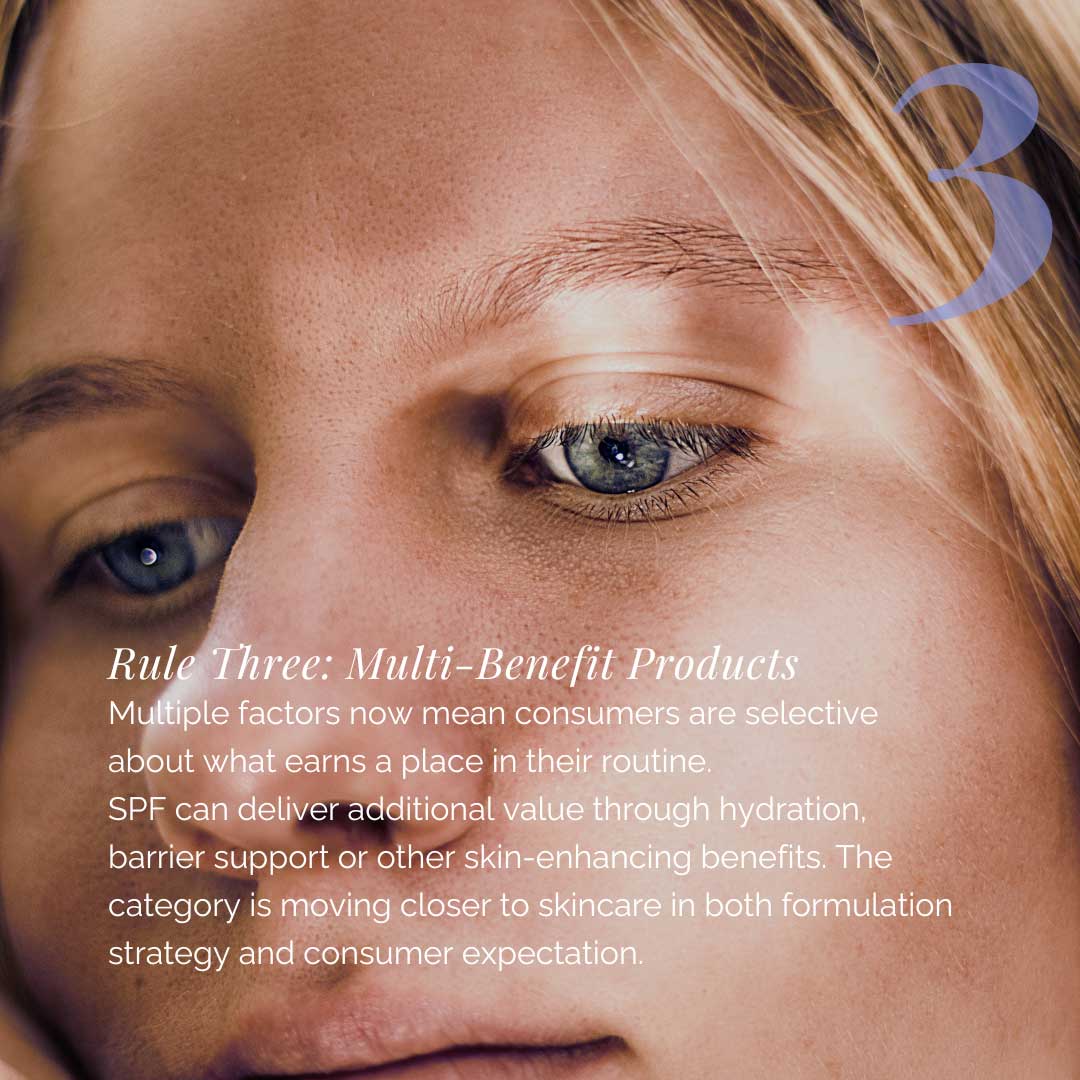
Modern sunscreen innovation therefore focuses on creating formulations that consumers actively enjoy using every day. Lightweight textures, invisible finishes across diverse skin tones, compatibility with make-up, hydration benefits and barrier-supporting ingredients all contribute to higher consumer acceptance.
This evolution is also driving innovation across adjacent categories including facial moisturisers, hybrid cosmetics, scalp protection, lip care, body care and other leave-on formats where UV protection can be incorporated without disrupting existing routines.
What does this mean for brands developing next-generation SPF products?
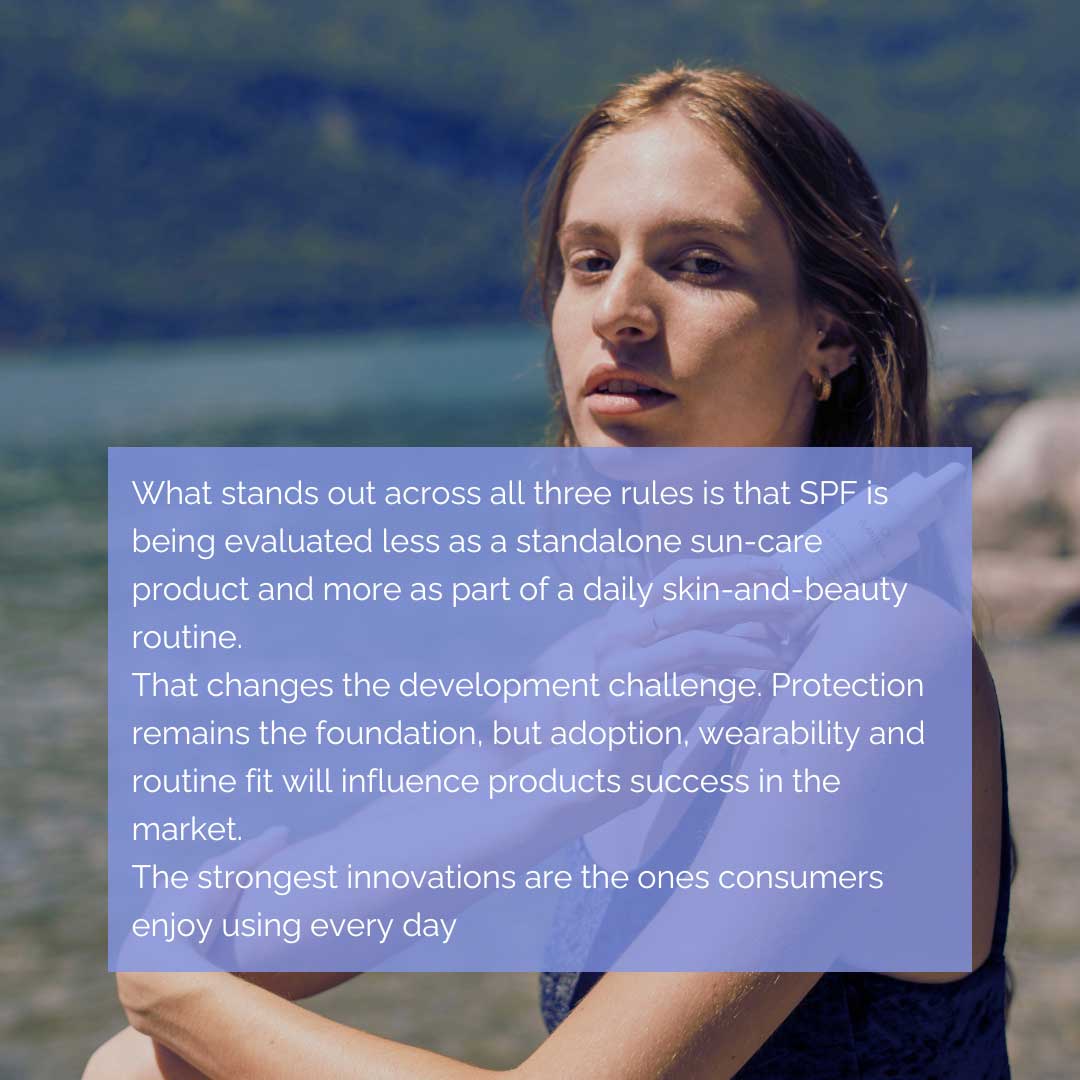
Developing competitive SPF products now requires consideration of the entire product experience rather than protection alone.
As a result, brands need manufacturing partners capable of evaluating formulation performance alongside scale-up feasibility, packaging interactions, regulatory requirements, stability programmes and production capability from the earliest stages of development.
For THG LABS, SPF innovation combines formulation science with commercial practicality. The objective is to develop products that deliver reliable UV protection while meeting evolving consumer expectations for texture, appearance, daily usability and premium sensory performance, helping brands bring differentiated sunscreen products confidently from concept through to commercial manufacture.
Want the full picture? Download the Suncare 2026 Trend Report for the trends, data and innovation opportunities shaping the category's next phase.
Hyperpigmentation and the Rise of Precision Dermocosmetics
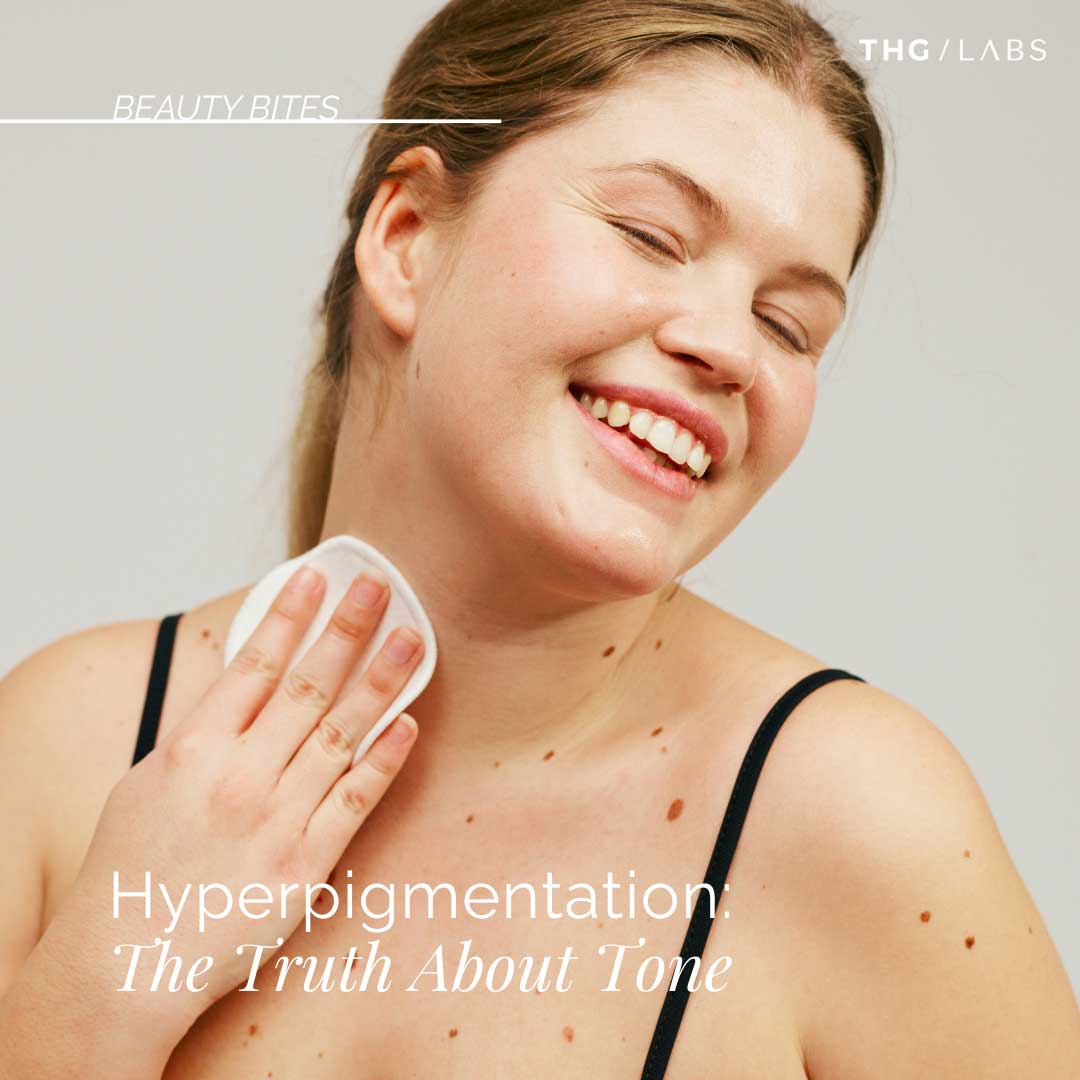
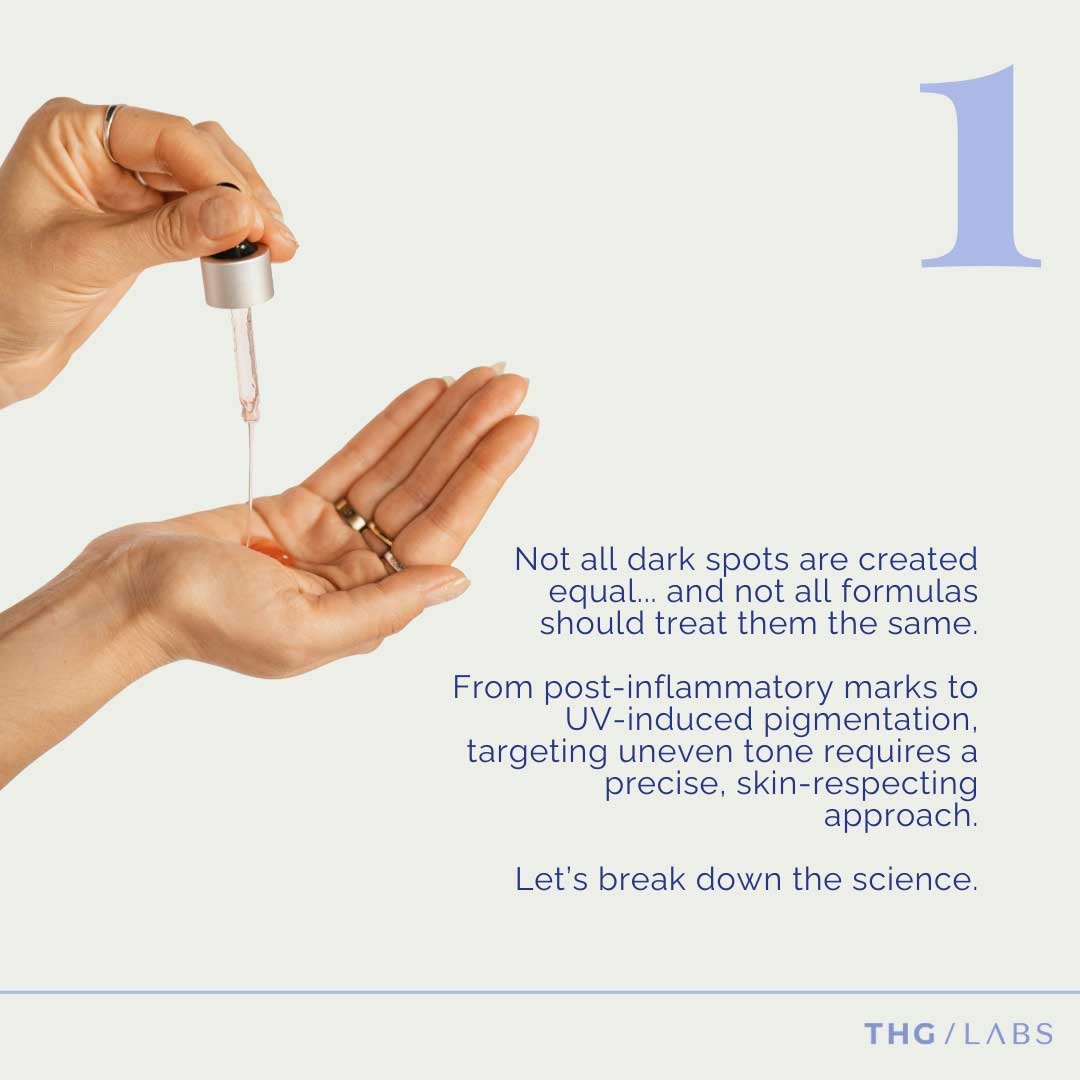
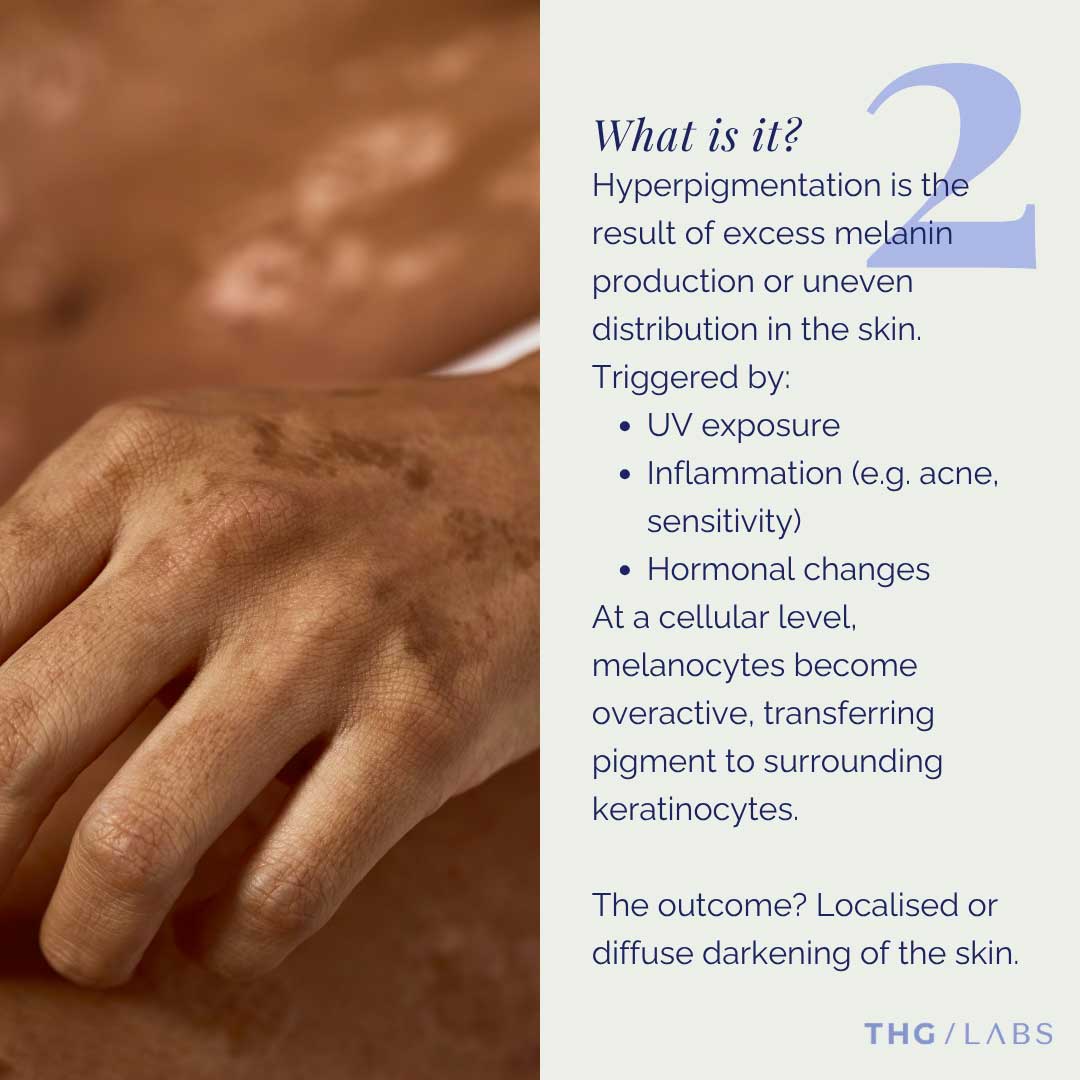
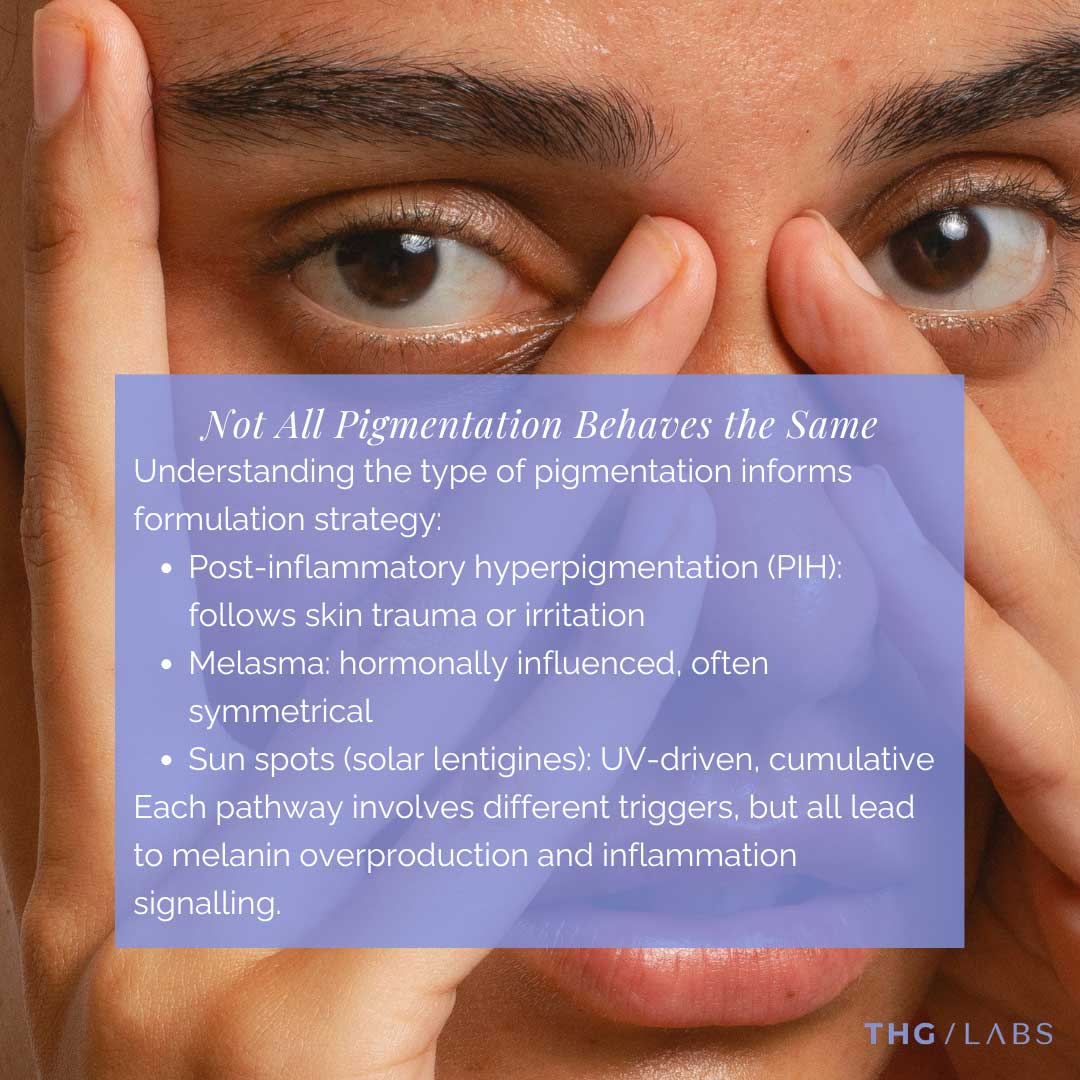
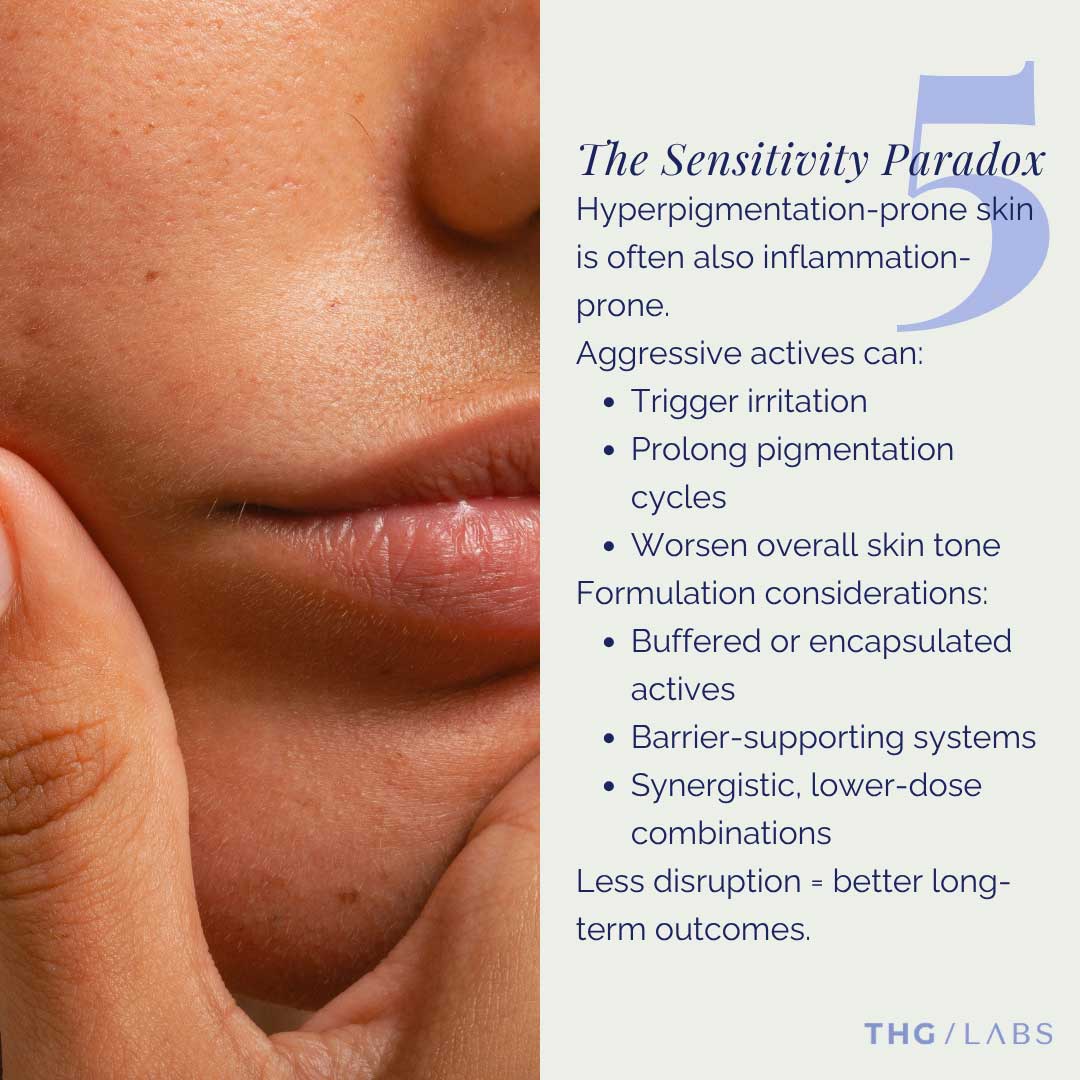
Hyperpigmentation is one of the most nuanced areas in skincare product development, driven by increasing consumer awareness around post-acne marks, melasma, UV damage and uneven tone across diverse skin types. As the category matures, generic “brightening” claims are being superseded by sophisticated dermocosmetic strategies informed by inflammation, barrier integrity and long-term skin health.
For beauty brands, this shift presents both formulation opportunities and technical challenges. Consumers are more educated about ingredients, more cautious of irritation and increasingly aware that pigmentation concerns are rarely solved through a single active or rapid-result promise. Instead, they are seeking routines that support gradual, visible improvement while respecting sensitive or reactive skin.
Why Hyperpigmentation Requires Multi-Pathway Formulation Thinking
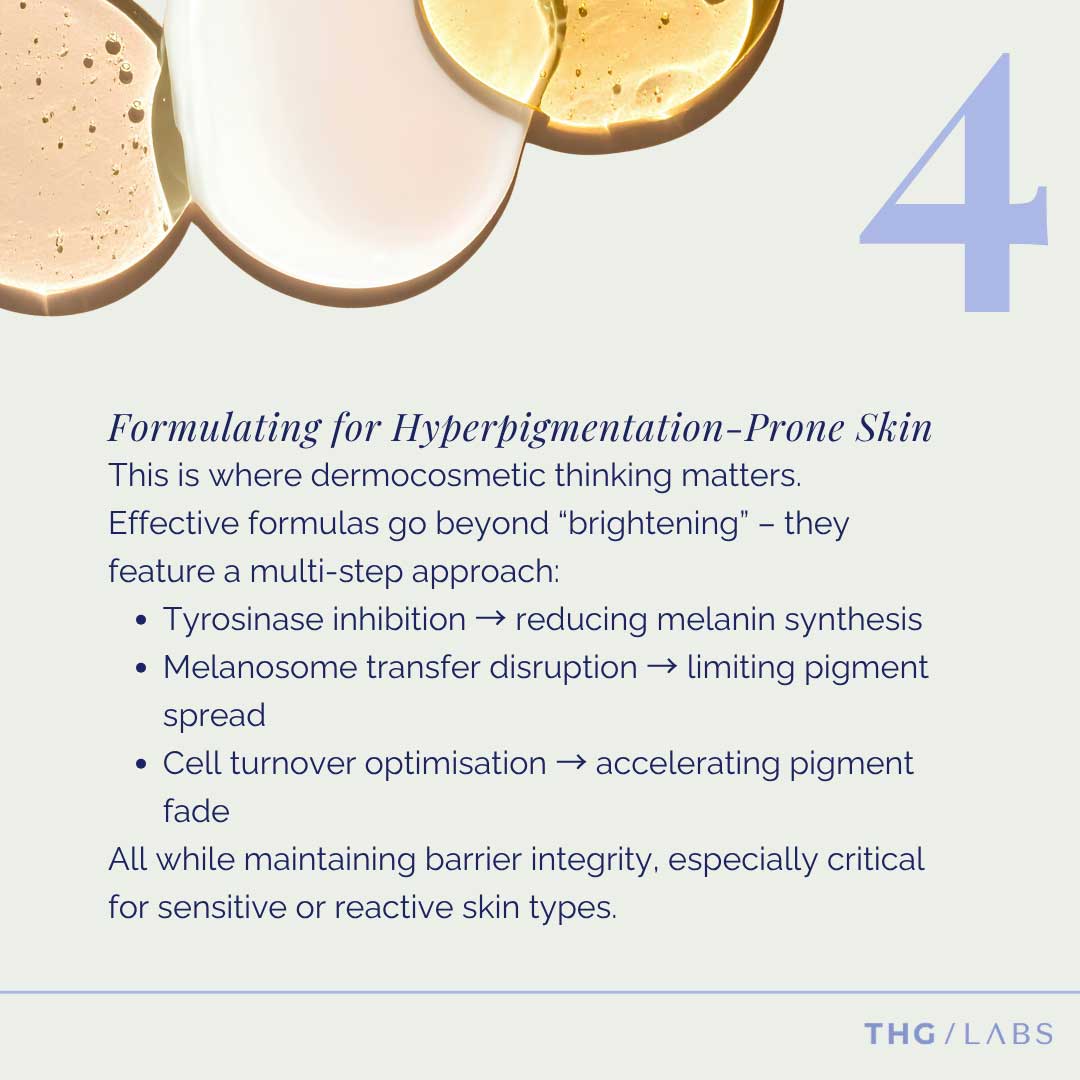
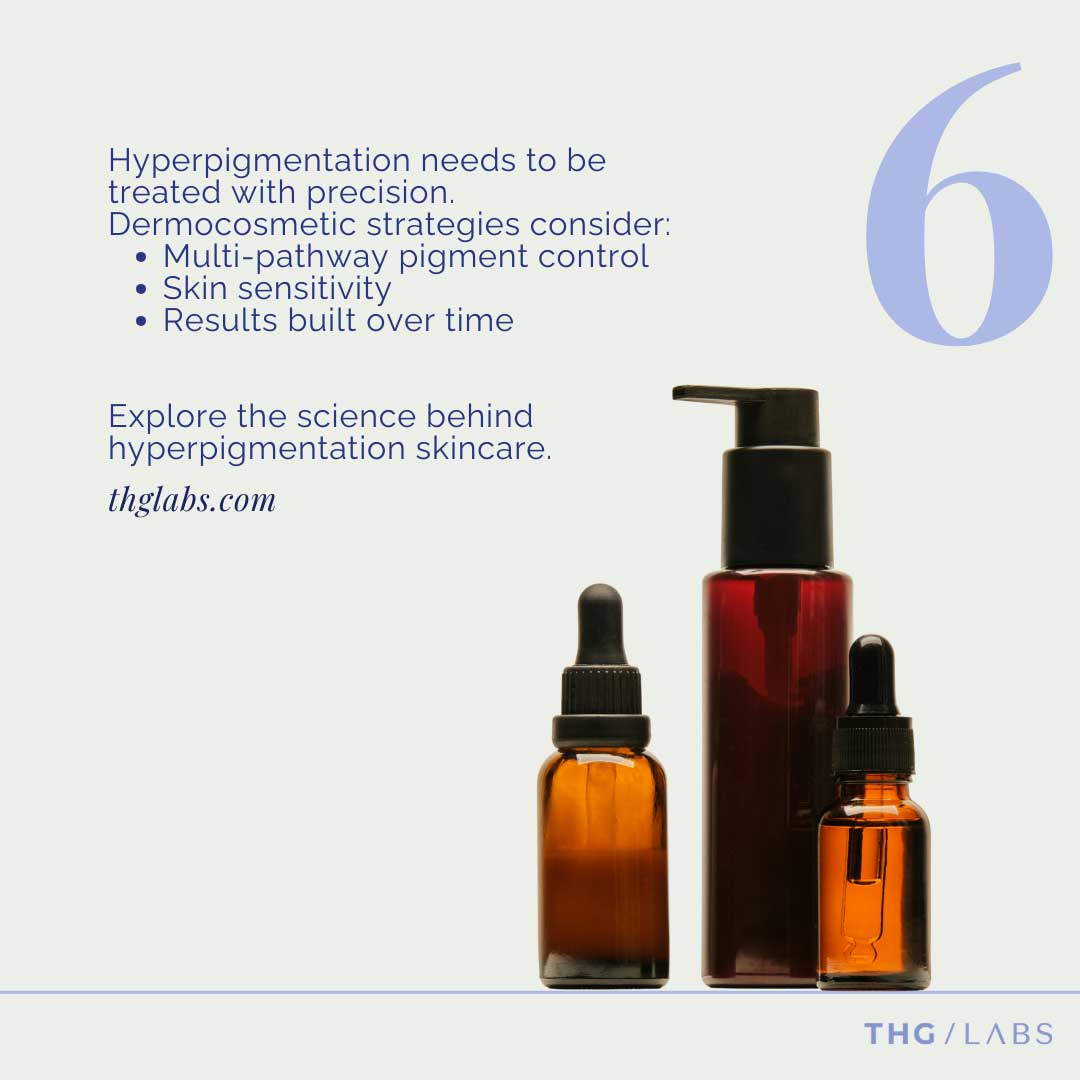
Modern hyperpigmentation skincare is rarely focussed on isolated hero ingredients. Product developers are now combining mechanisms that target melanin synthesis, pigment transfer, exfoliation pathways and skin recovery simultaneously, creating formulations designed to work with the biology of the skin rather than aggressively overriding it.
This is particularly important for post-inflammatory hyperpigmentation, where irritation itself can worsen visible discoloration. As a result, brands are increasingly prioritising buffered acids, encapsulated delivery systems and barrier-supportive technologies alongside corrective actives.
For manufacturers and formulation teams, this requires careful balancing of efficacy, compatibility and sensory performance, especially when developing products intended for long-term daily use.
The Link Between Sensitivity, Barrier Function and Skin Tone
The relationship between inflammation and pigmentation is becoming central to dermocosmetic innovation. Research and consumer experience alike continue to reinforce that compromised skin barriers can contribute to prolonged pigmentation cycles, uneven tone and recurring sensitivity.
This has accelerated demand for formulations that combine tone-correction with hydration, soothing systems and skin barrier support. Texture and sensoriality also remain commercially important. Lightweight serums, comfortable emulsions and non-irritating treatment formats help improve consistency of use, which is critical for visible long-term outcomes.
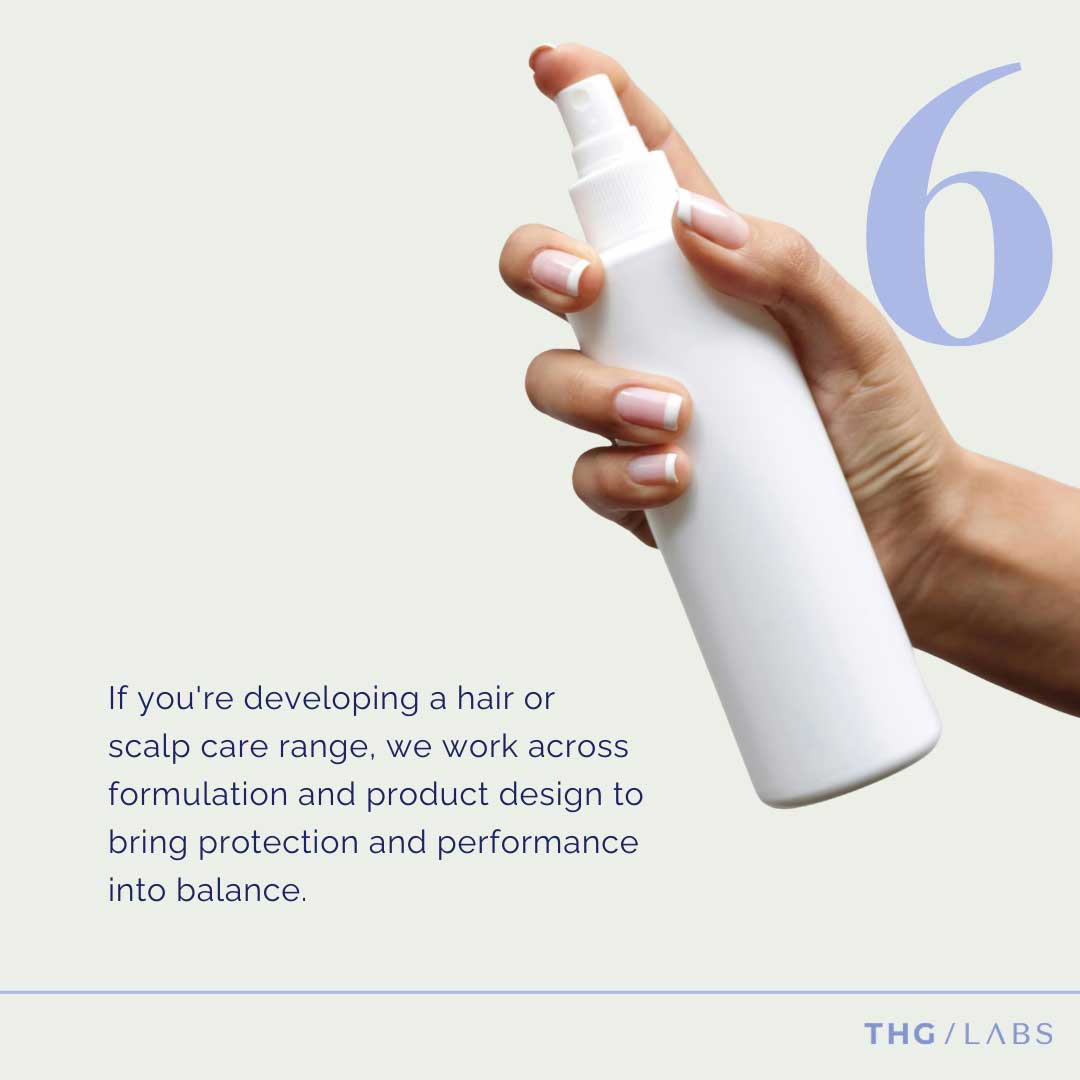
Why Scalp and Hair Protection are Emerging Suncare Priorities
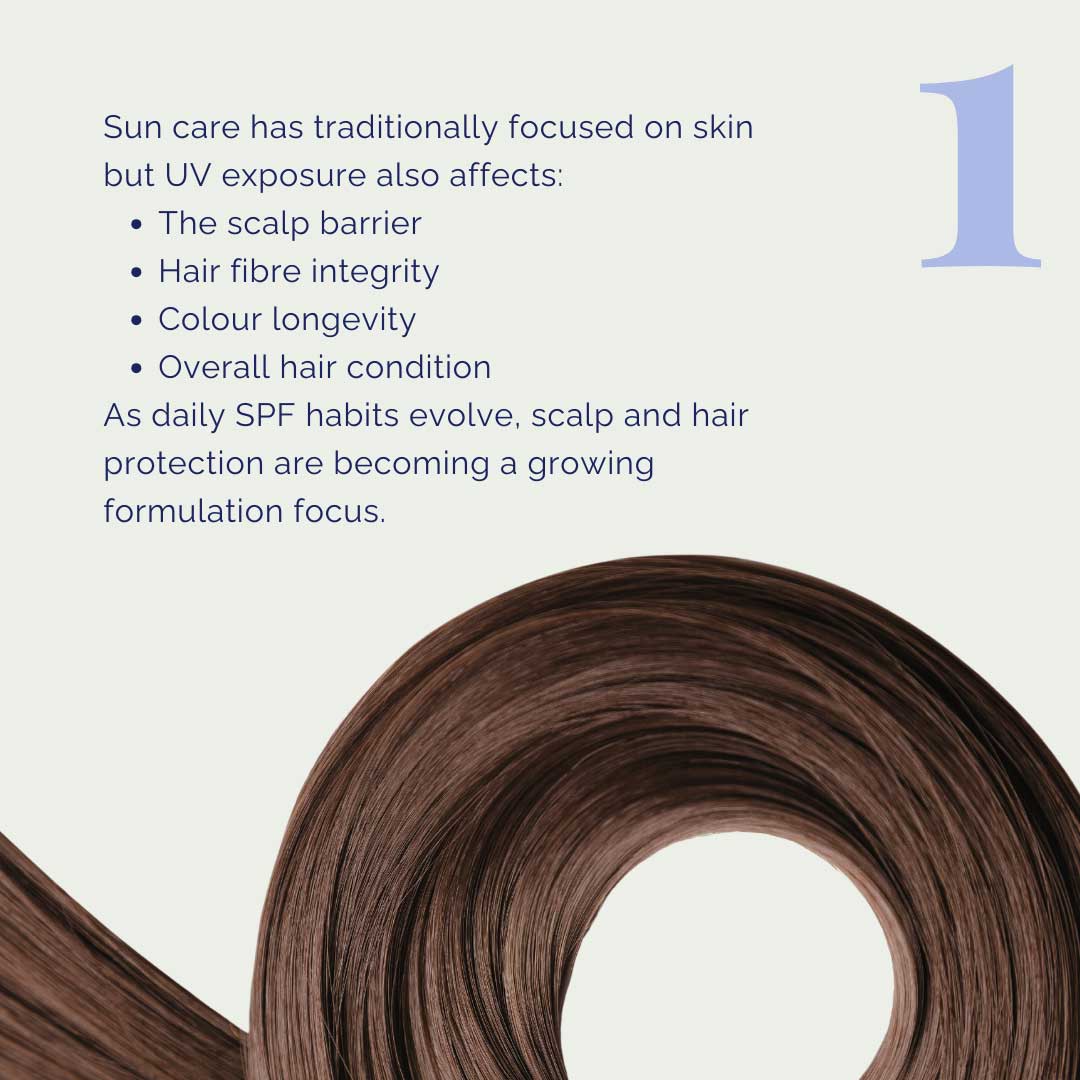
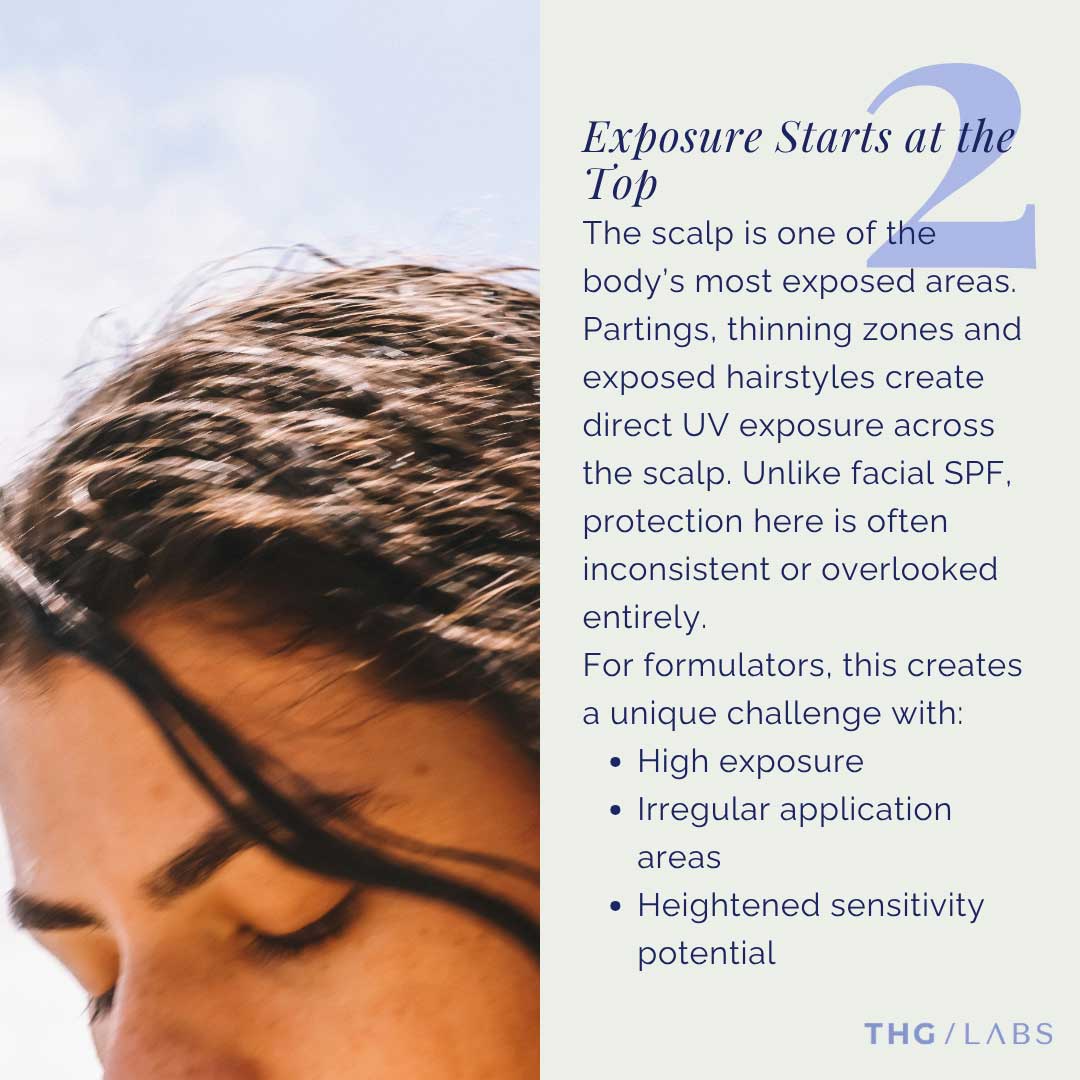
Daily SPF usage habits are maturing, and with them, awareness of how UV exposure impacts not only skin, but also scalp condition, fibre integrity and long-term hair quality. As consumers become more educated around cumulative UV damage, scalp and hair protection are emerging as important opportunities within both haircare and suncare product development.
Unlike facial sunscreen, scalp protection presents unique formulation challenges. Application areas are irregular, hair density varies significantly, and consumers expect lightweight, invisible products that integrate seamlessly into existing styling routines. This creates demand for technically advanced systems capable of balancing protection, wearability and sensory performance.
UV Stress, Fibre Damage and Colour Longevity
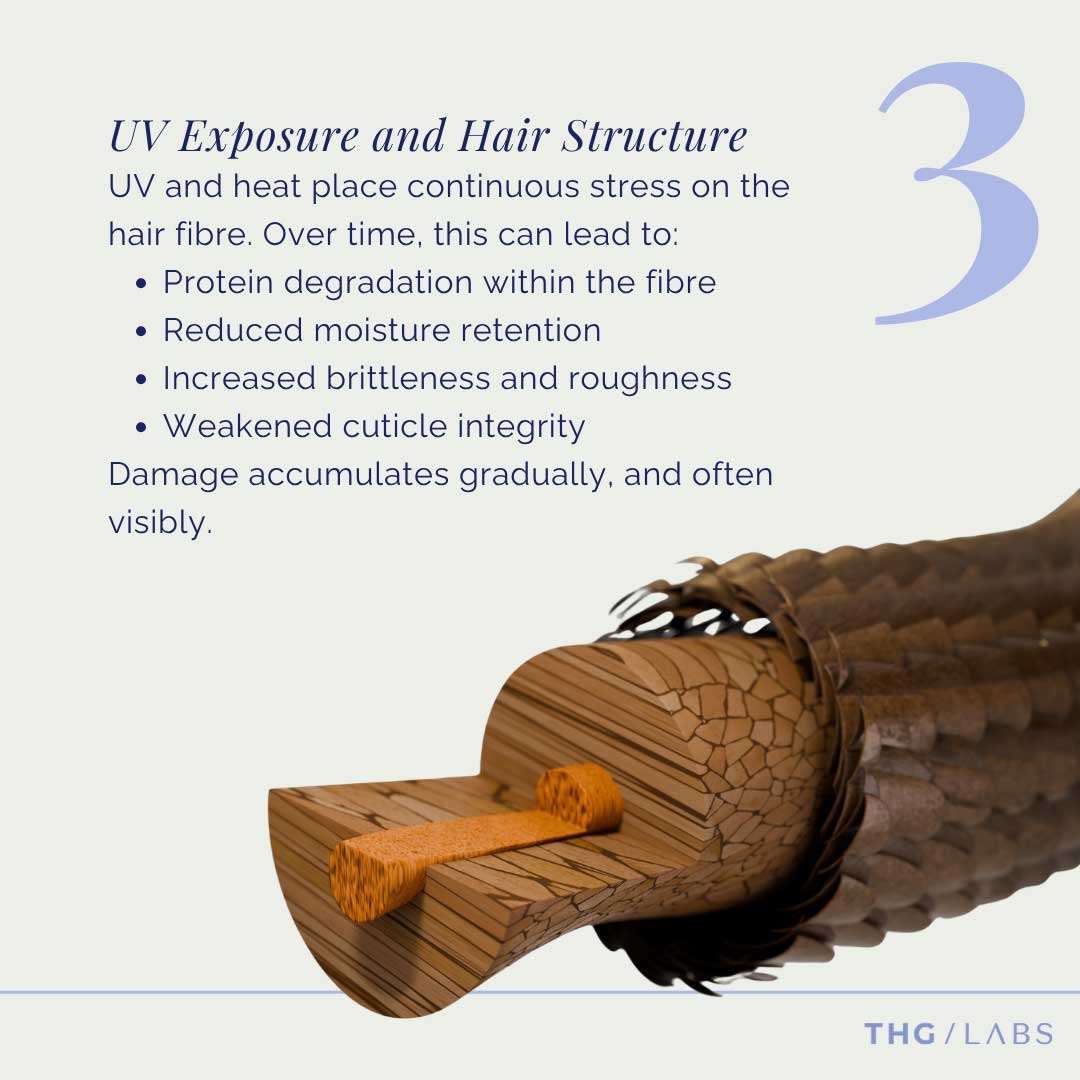
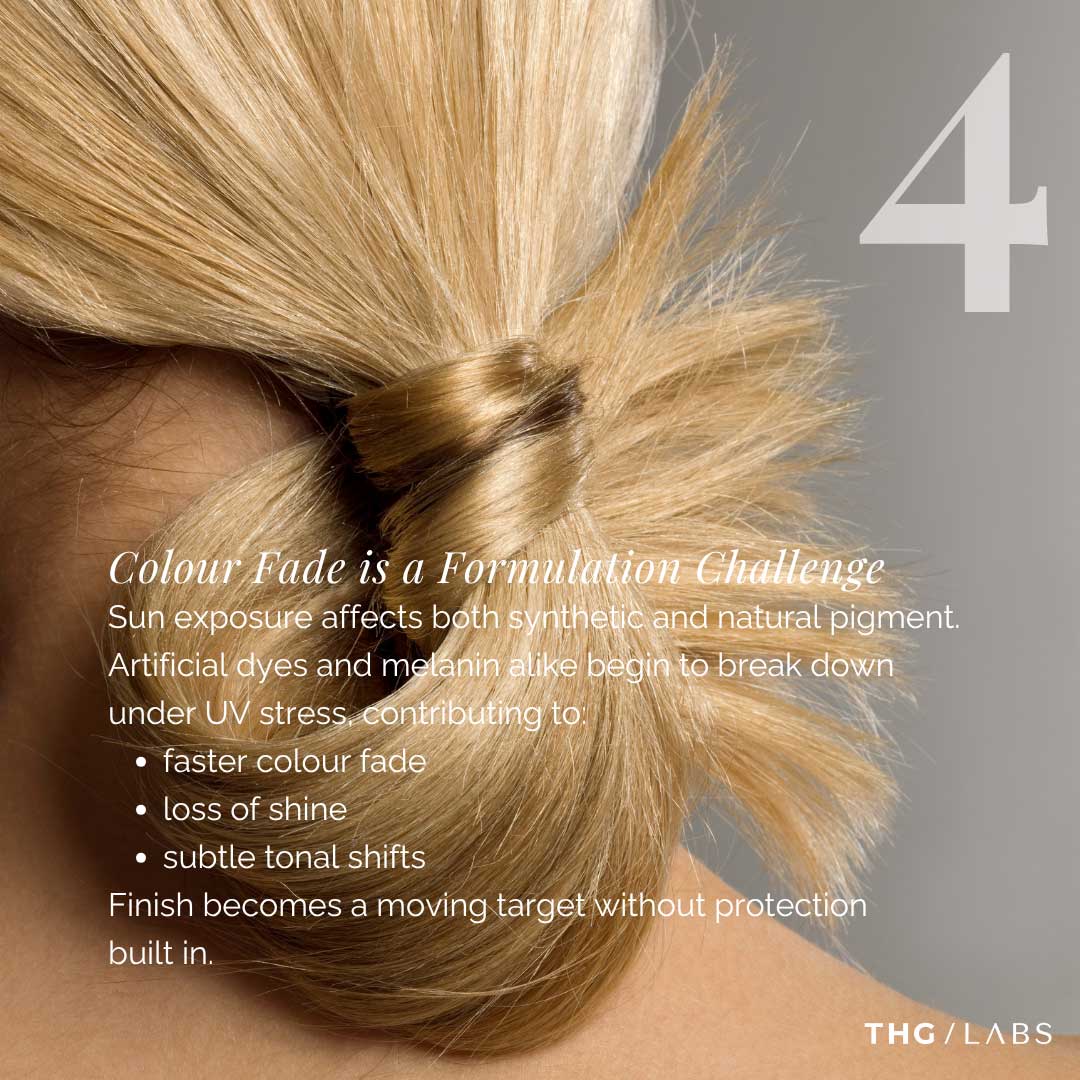
Repeated UV exposure contributes to ongoing stress within the hair fibre, impacting protein structure, moisture retention and cuticle integrity over time. For colour-treated hair, sun exposure also accelerates pigment degradation, contributing to fade, tonal shift and reduced shine retention.
These concerns are creating opportunities for multifunctional protection formats that sit between traditional haircare and suncare categories. UV filters, antioxidant systems and protective conditioning technologies are now featuring in sprays, mists, oils and styling-compatible leave-on formats designed to support both cosmetic finish and long-term fibre condition.
Sensory Performance Defines Adoption
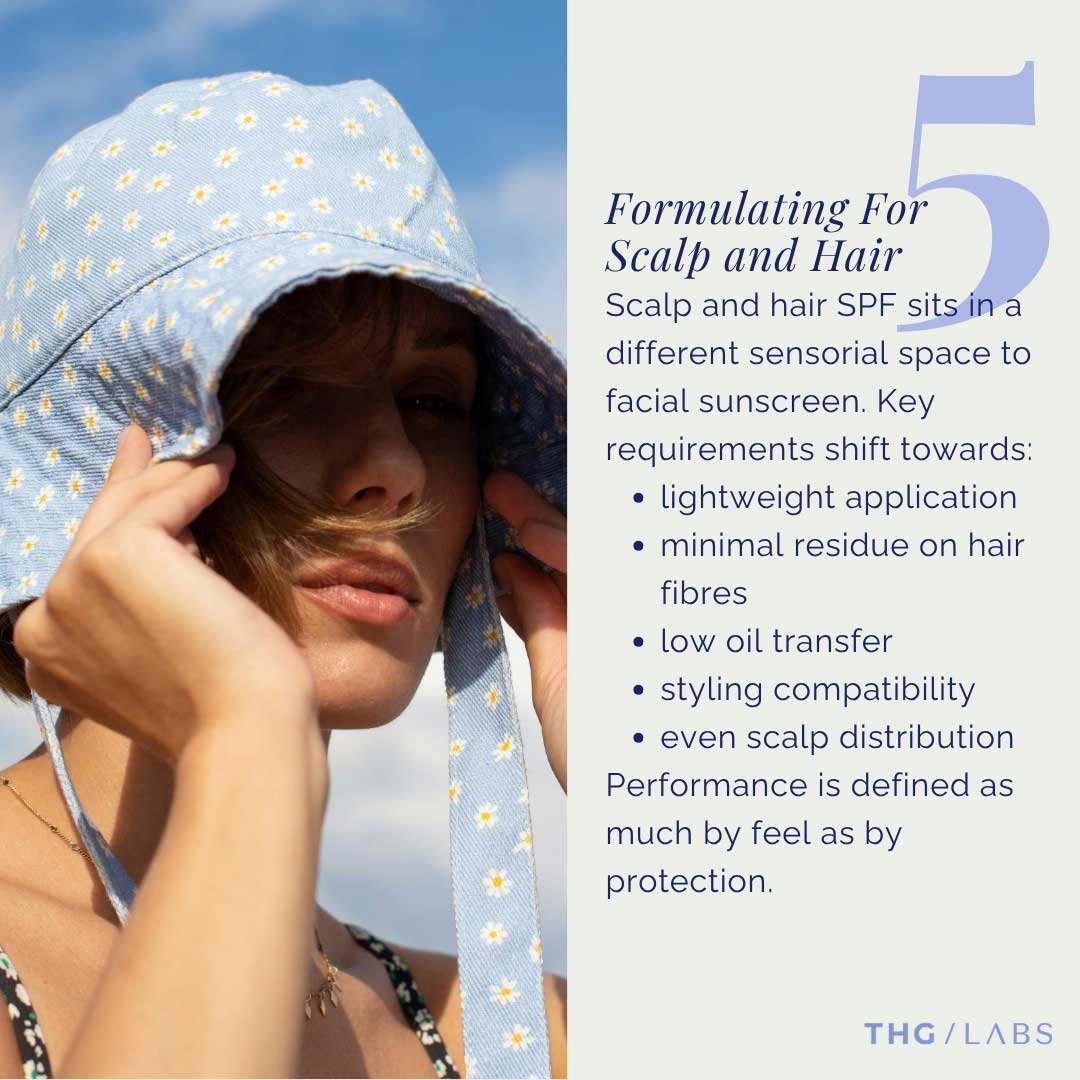
Scalp SPF sits within a very different sensorial space to traditional facial sunscreen. Consumers expect lightweight application, minimal residue, low oil transfer and compatibility with styling routines, particularly within leave-on and reapplication-friendly formats.
For manufacturers, this means performance is judged not only by SPF efficacy, but by how successfully protection can be delivered without compromising hair appearance, texture or consumer experience. Achieving this balance requires careful selection of UV filters, dispersion systems, delivery formats and packaging solutions capable of supporting real-world usage behaviours.
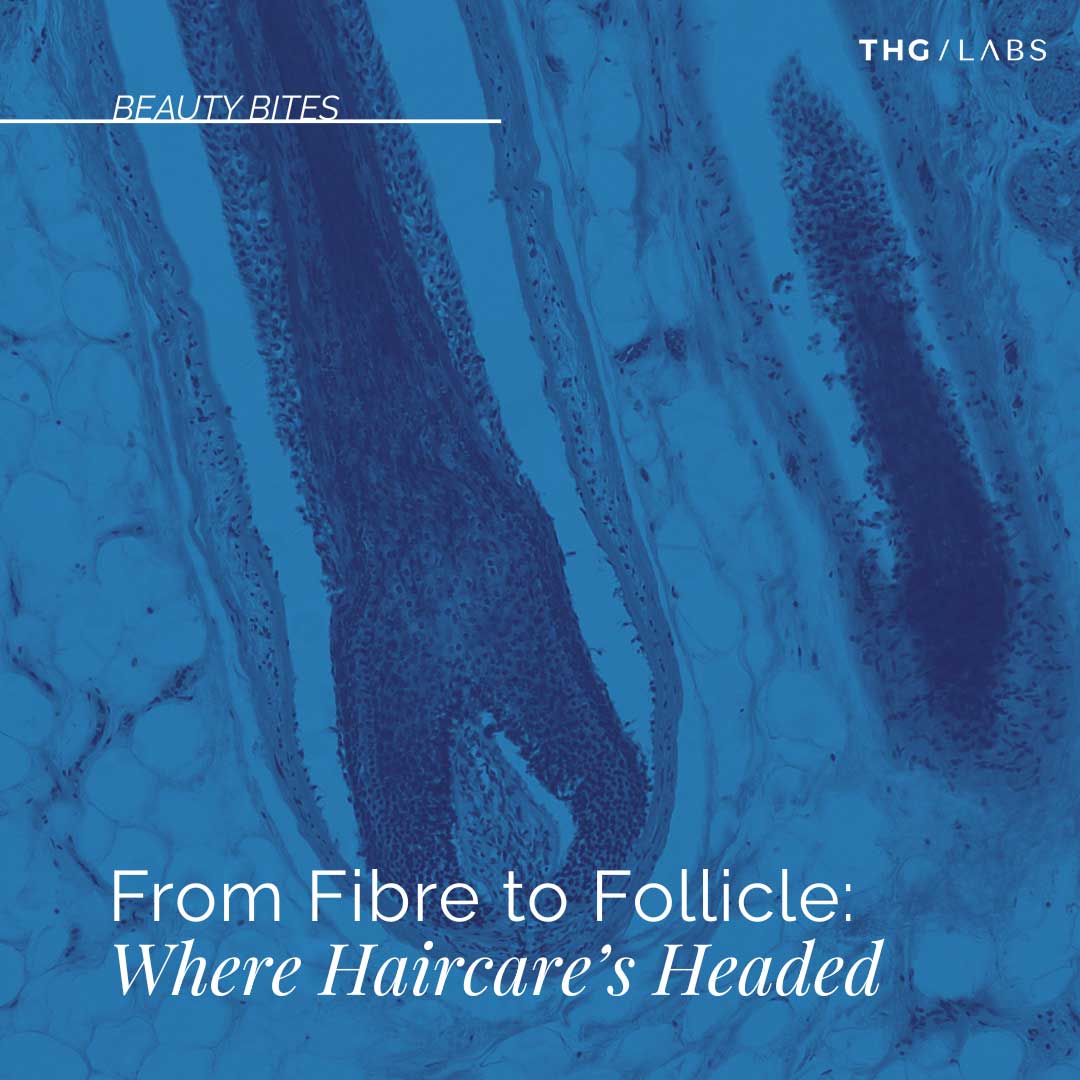
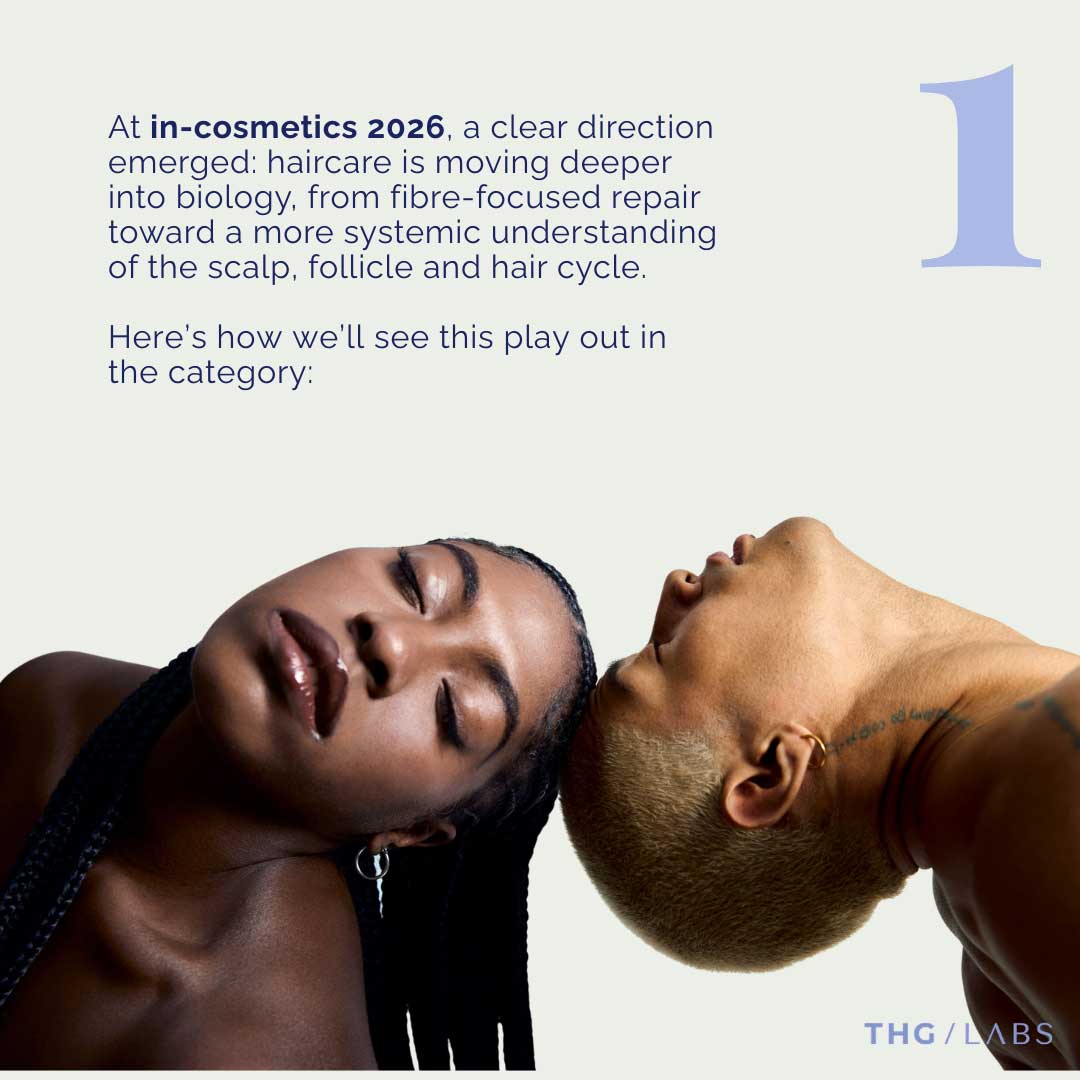
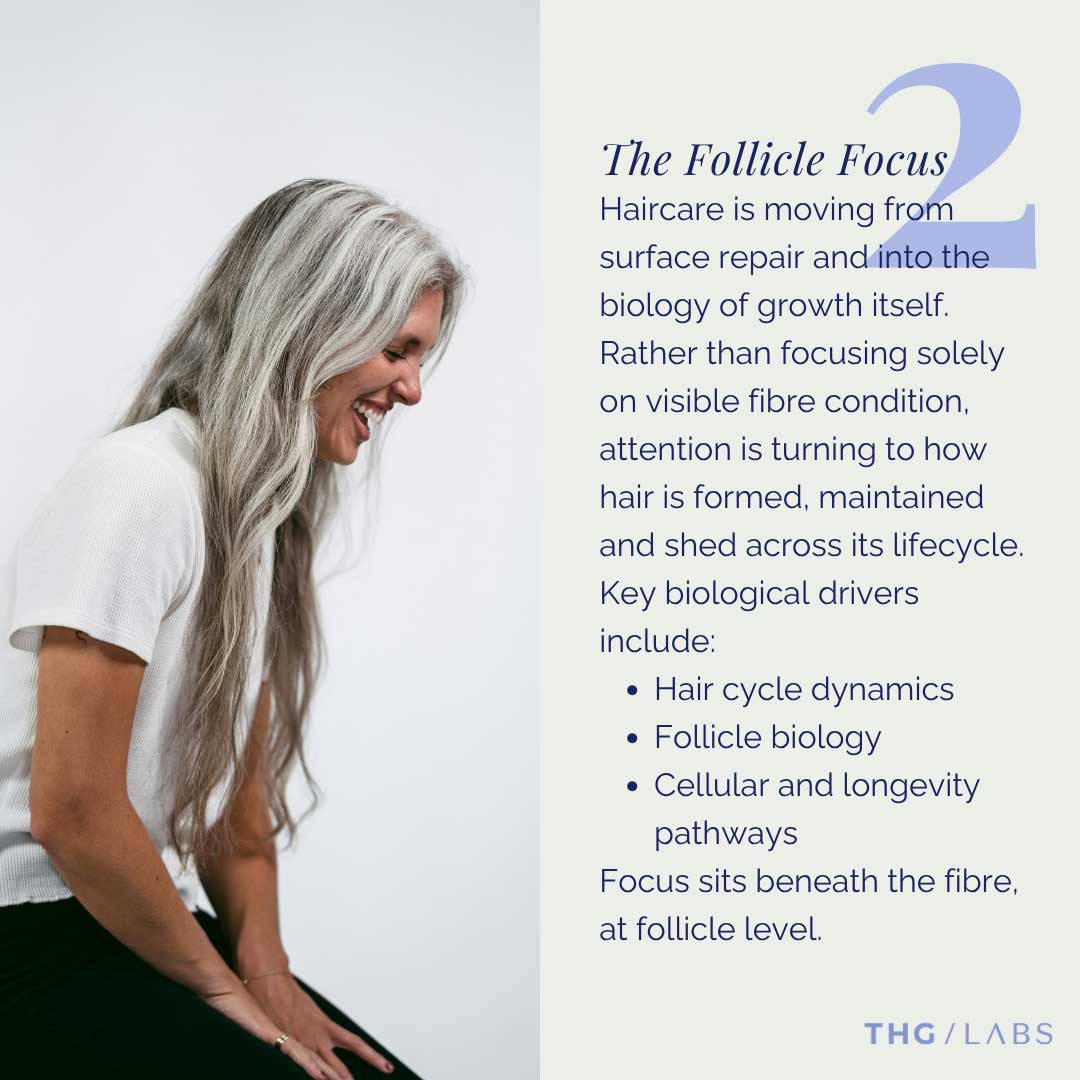
Haircare is Moving Deeper into Biology
Haircare innovation is entering a more biologically focused phase, where the conversation extends beyond cosmetic fibre repair and into the underlying mechanisms that shape growth, shedding, resilience and scalp condition. The category is increasingly borrowing from dermocosmetics, longevity science and biotechnology to support more targeted approaches to scalp and follicle health.
This evolution reflects changing consumer expectations. Haircare products are no longer evaluated solely on immediate cosmetic finish, but on how effectively they support long-term hair quality, density and overall scalp condition. Scientific credibility, instrumental testing and biologically grounded language are becoming increasingly important differentiators within premium haircare positioning.
Scalp Health, Barrier Function and Precision Haircare
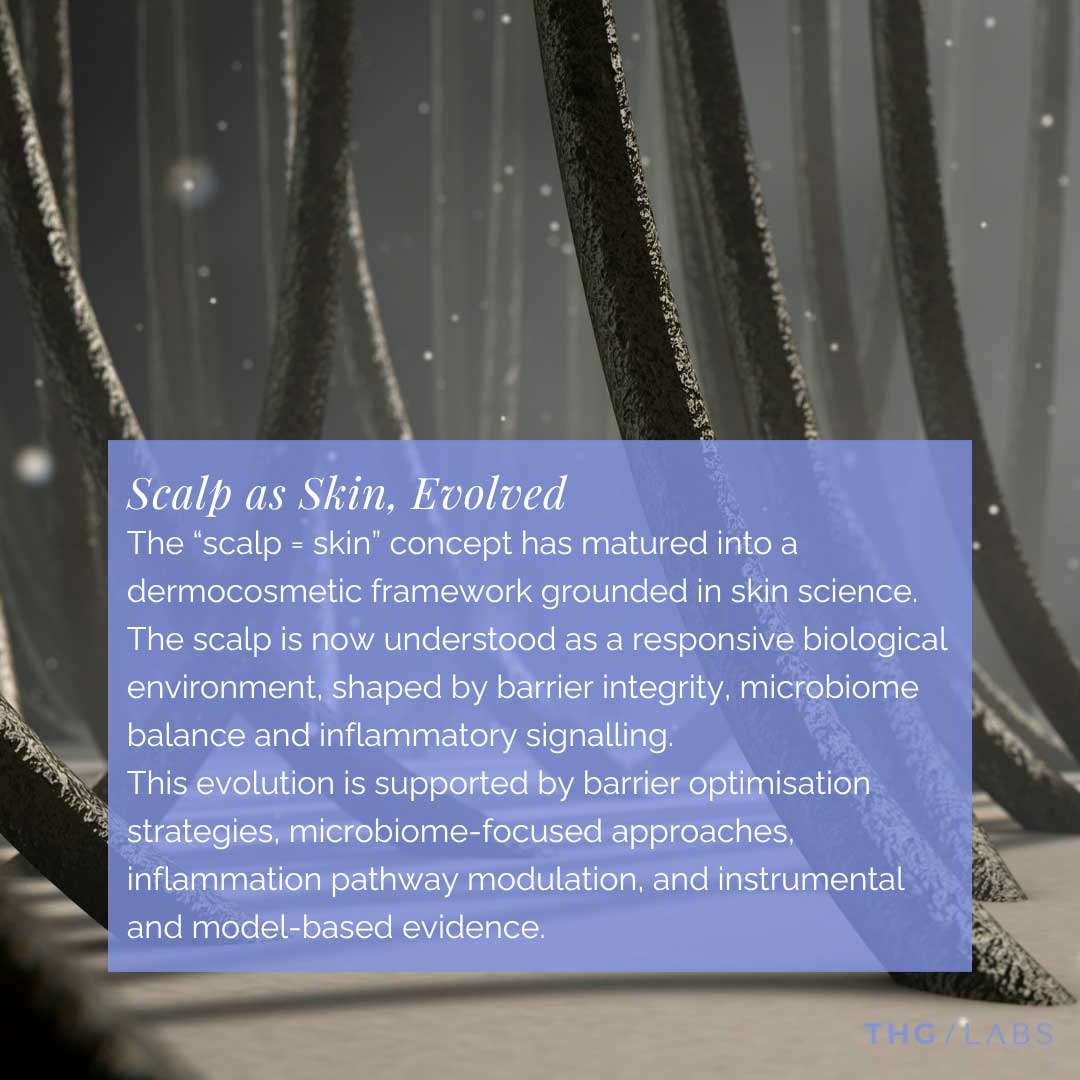
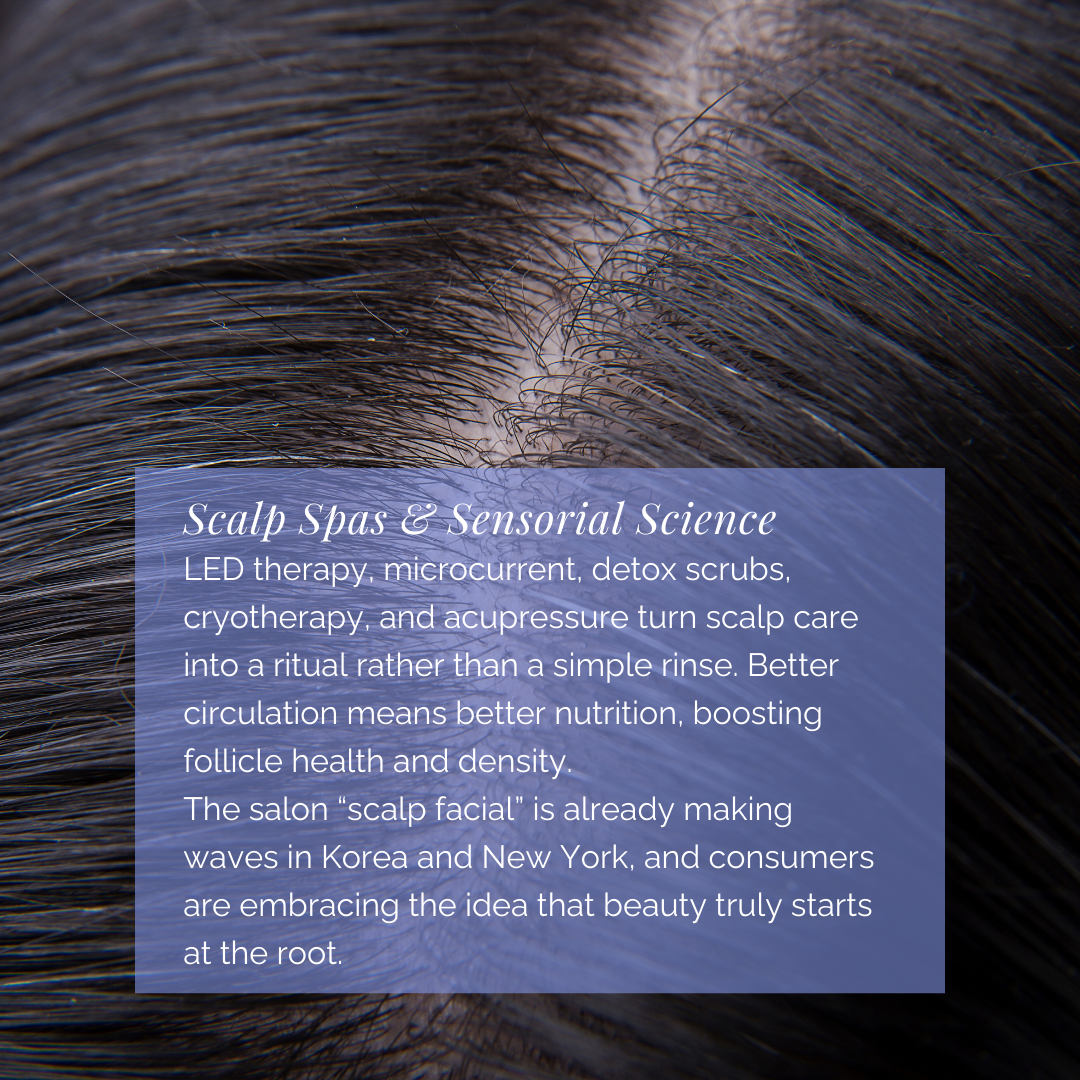
The scalp is now being treated as a dynamic biological environment rather than simply a surface for cleansing or styling. Barrier support, microbiome balance and inflammatory pathway modulation are becoming central to advanced scalp care development, mirroring the progression previously seen within facial skincare.
For product developers, this creates opportunities for more specialised treatment formats, including serums, leave-ons, overnight products and scalp-focused systems that combine sensorial appeal with measurable performance. Delivering these benefits at scale requires expertise across formulation architecture, stability, ingredient compatibility and claims substantiation.
Biotechnology, Biomimetics and the Future of Repair
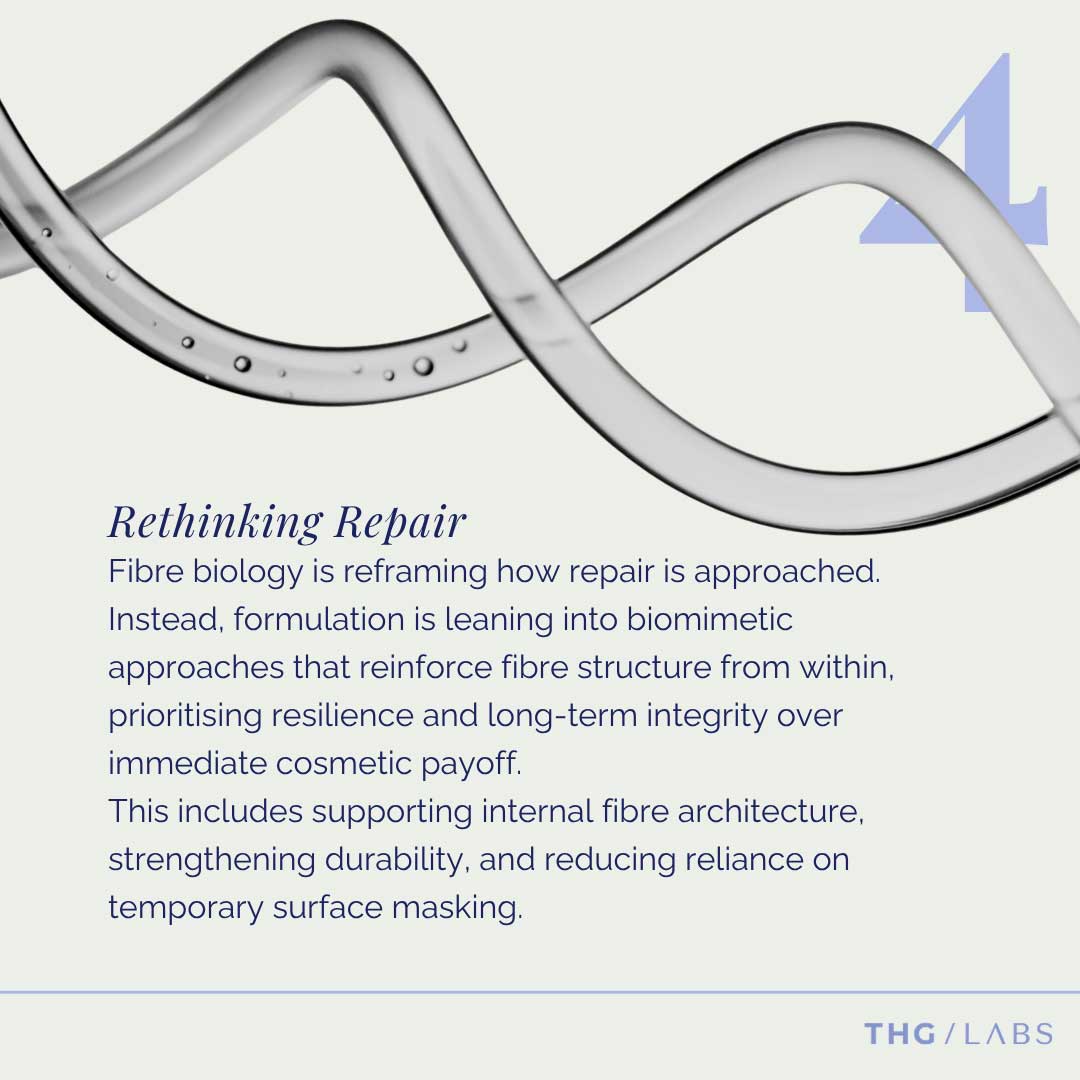
Repair is also being reframed. Rather than relying purely on temporary surface coating, newer approaches increasingly focus on biomimetic technologies and internal fibre reinforcement strategies that prioritise durability and structural integrity over short-term cosmetic masking.
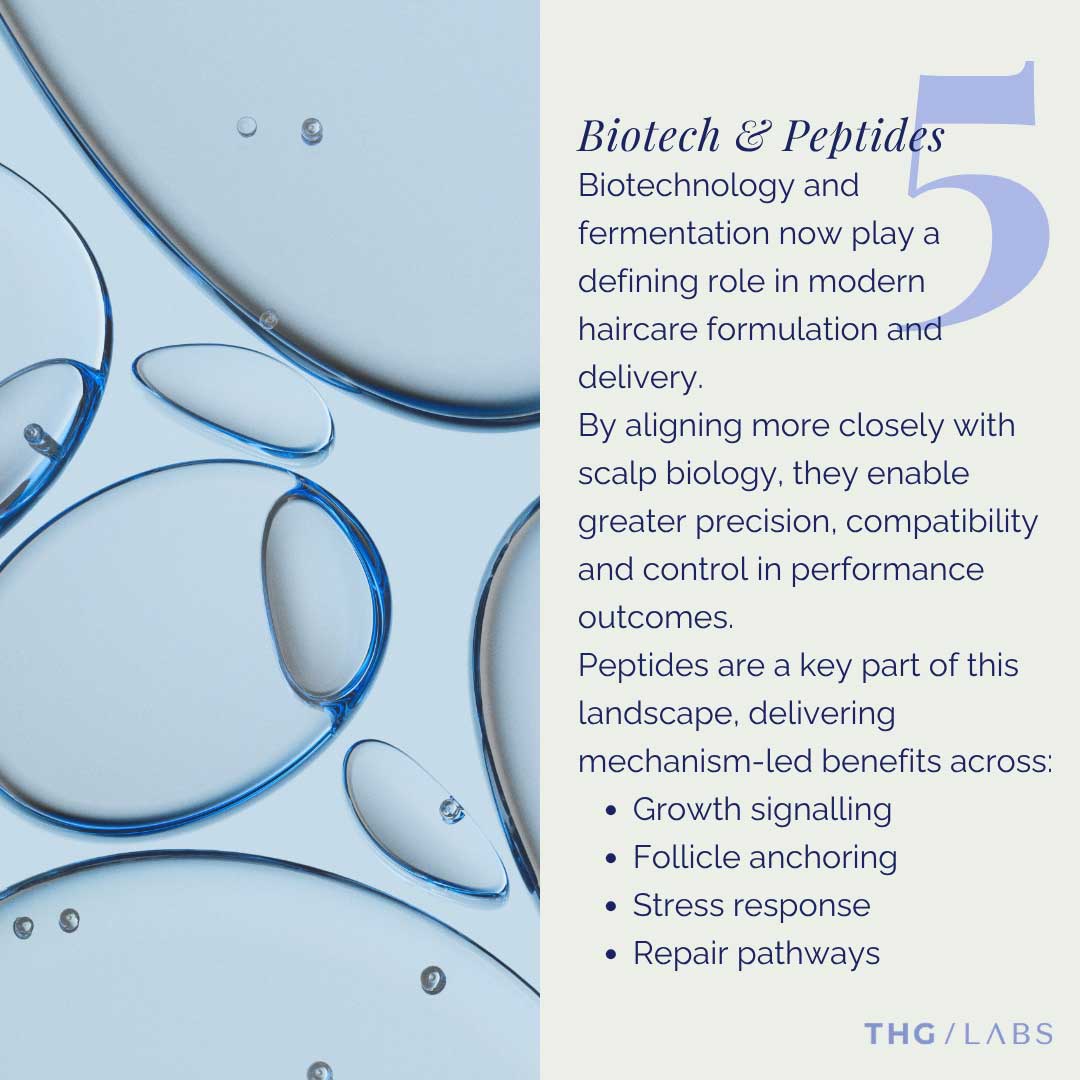
At the same time, peptides, fermentation technologies and biotechnology-derived actives are reshaping the future of high-performance haircare. These ingredients enable more precise targeting of growth signalling, stress response pathways and follicle support mechanisms, helping brands develop products that align with growing demand for science-led efficacy and long-term performance positioning.
Modern SPF is Defined by More Than Protection Alone
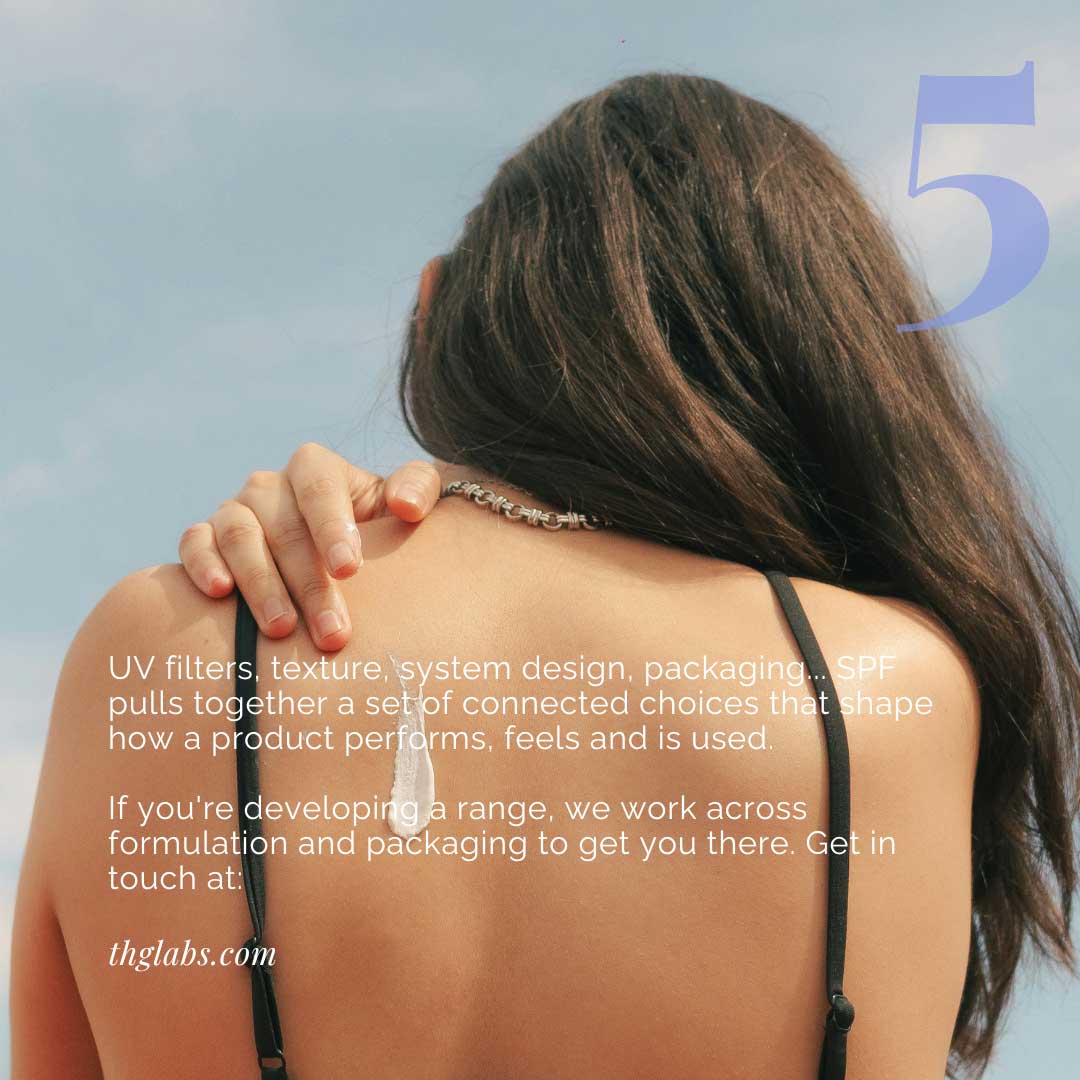
Suncare remains one of the most technically demanding categories for cosmetic formulators. Success depends on balancing multiple variables simultaneously, including UV protection, texture, photostability, regulatory compliance, sensory elegance and packaging compatibility.
Consumer expectations continue to rise. Daily SPF usage has shifted sunscreen from occasional holiday product to an integrated part of everyday skincare routines, increasing demand for lightweight textures, seamless layering and cosmetically elegant finishes. As a result, formulation quality now plays a direct role in product adherence, repeat use and long-term category growth.
Texture, Wearability and Real-World Use
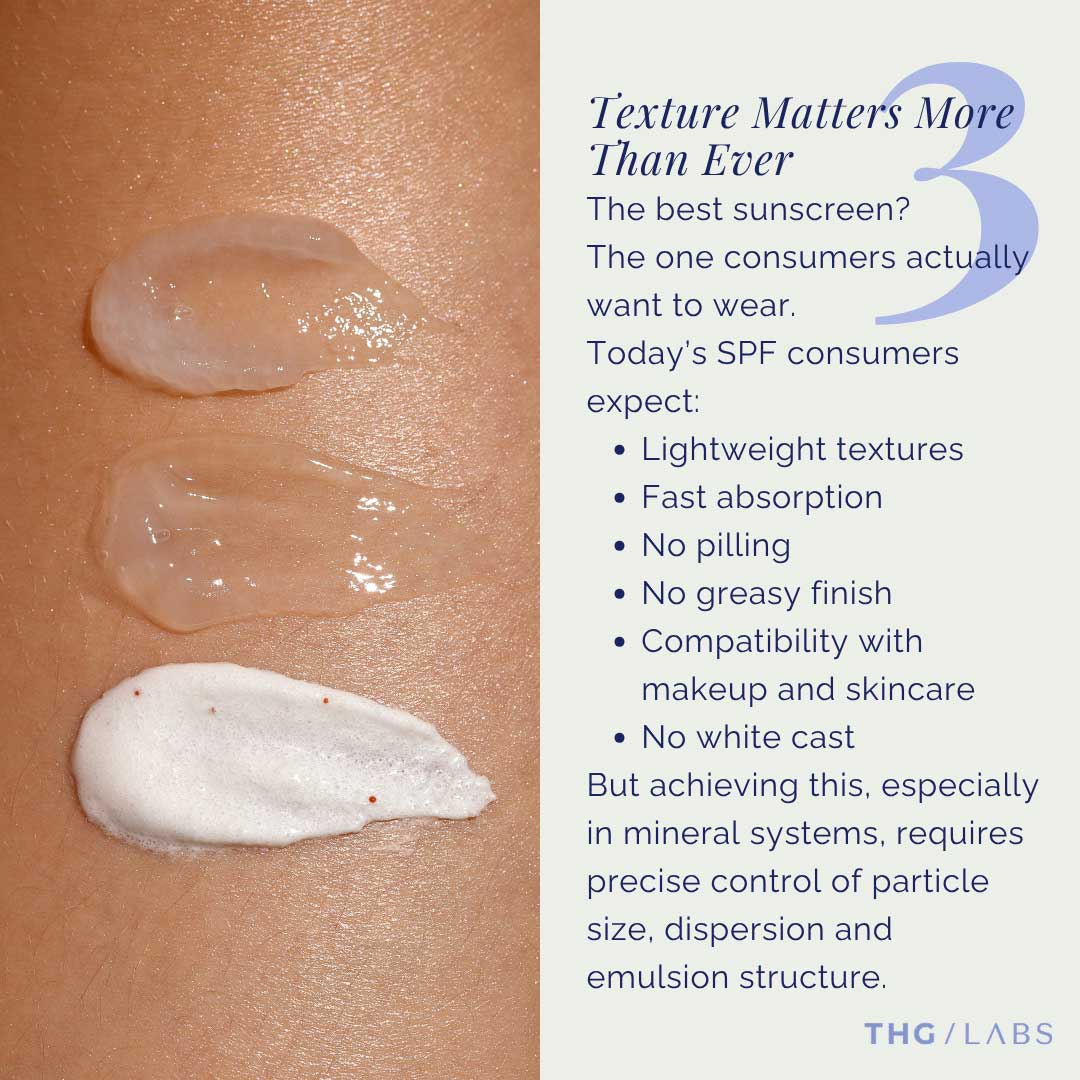
Texture has become one of the category’s most commercially important differentiators. Consumers expect SPF products that absorb quickly, avoid pilling, leave minimal residue and integrate easily with makeup, skincare and active lifestyles.
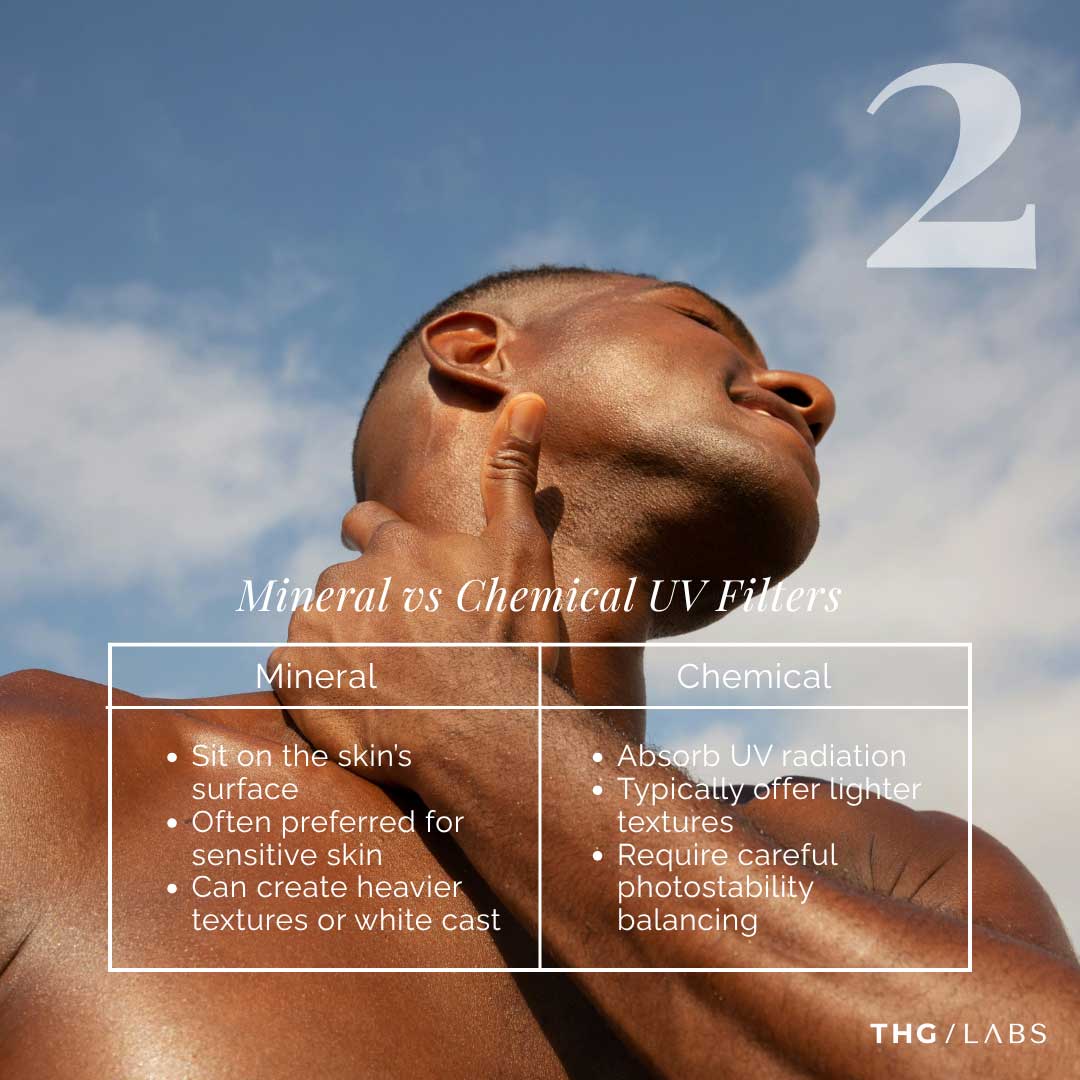
Achieving this is particularly complex within mineral systems, where white cast, particle dispersion and heavier textures remain ongoing formulation challenges. Delivering sensorial elegance while maintaining efficacy requires highly controlled emulsion design, stability testing and careful balancing of UV filter systems.
Packaging, Stability and System Performance
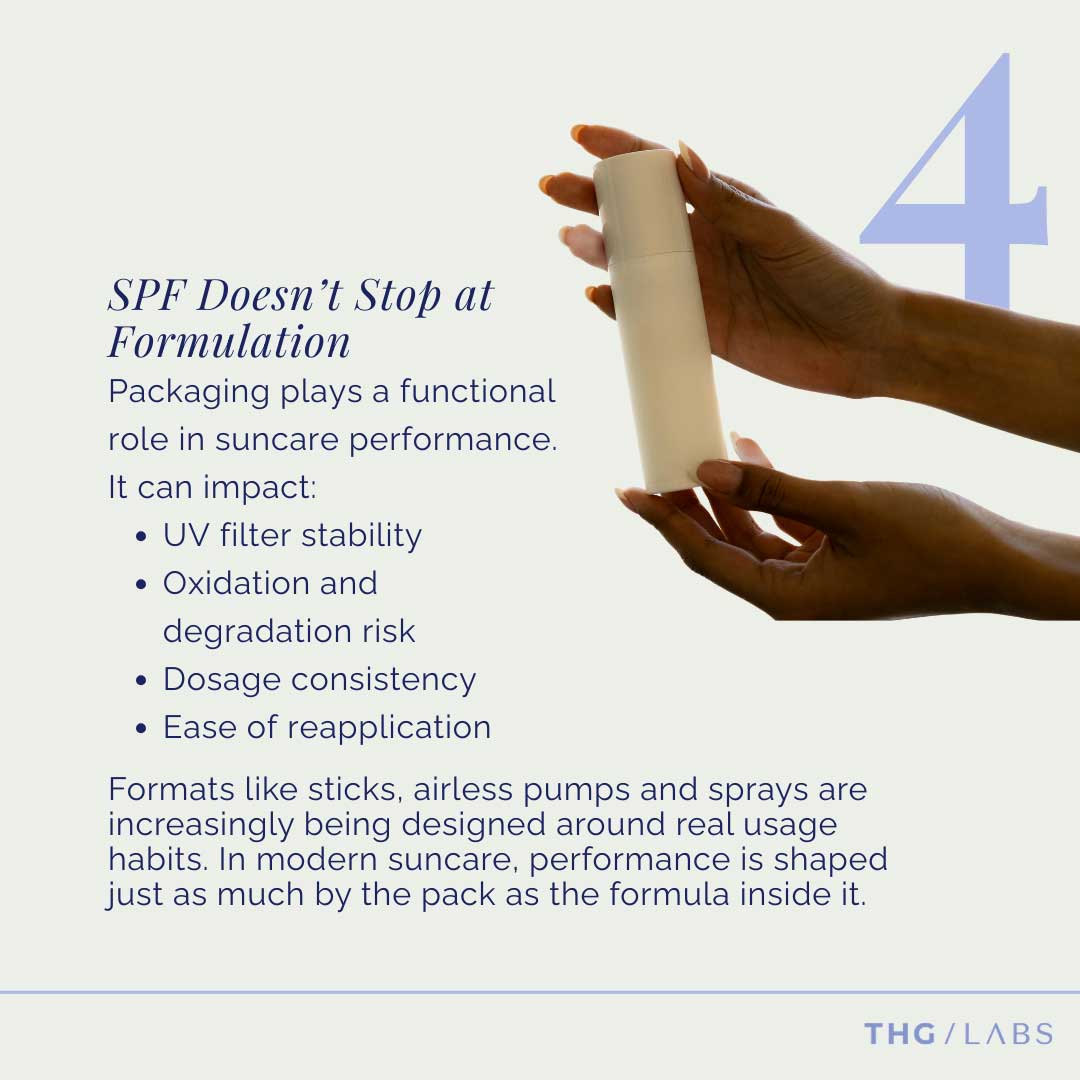
Modern SPF performance extends well beyond the formula itself. Packaging plays a functional role in protecting UV filter stability, supporting dosage consistency and enabling convenient reapplication behaviours that improve real-world usage.
Formats such as sticks, sprays and airless systems are being designed around consumer habits as much as aesthetic presentation. This reflects a broader shift within suncare development, where formulation, packaging and user experience must operate as an integrated performance system rather than separate considerations.
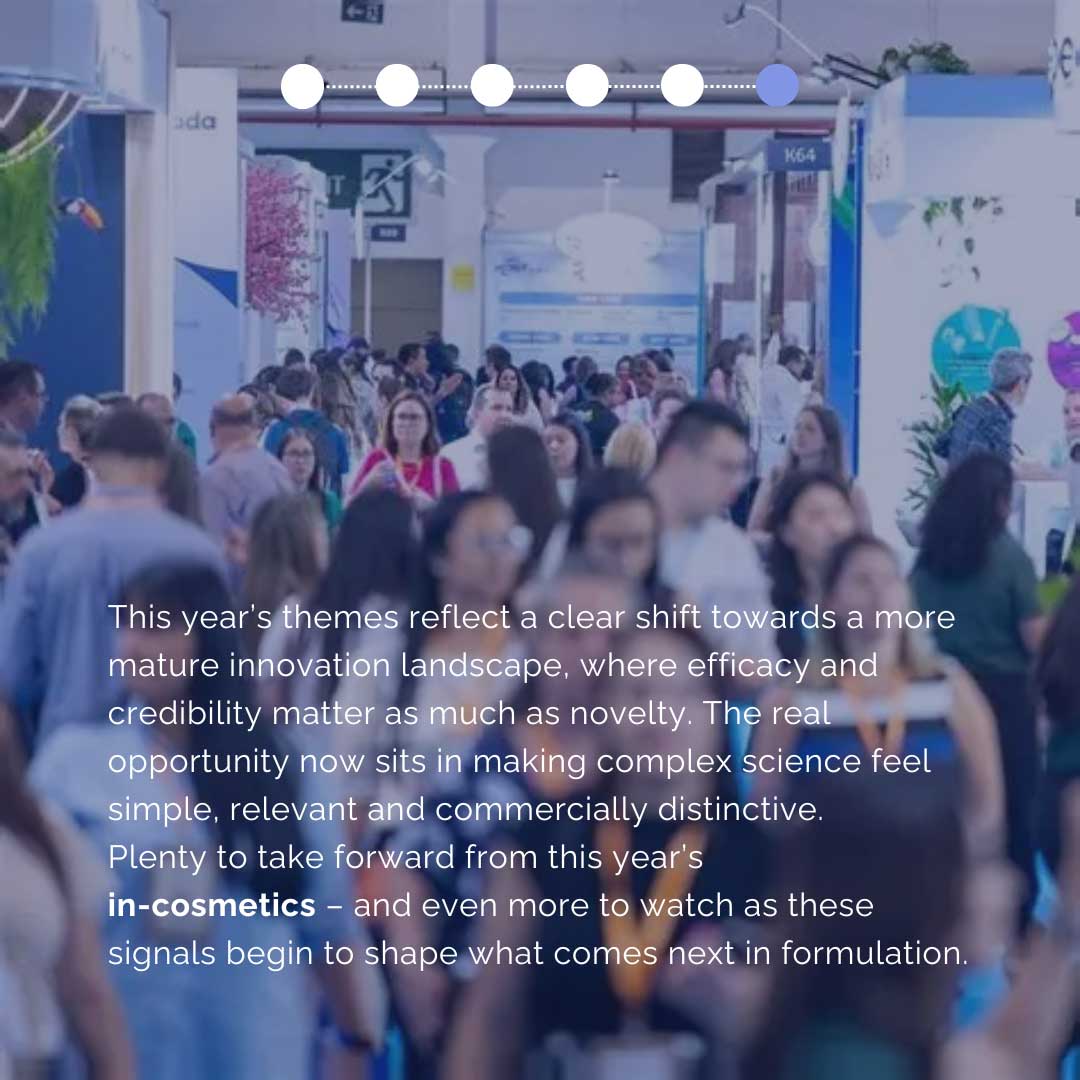
The New Era of Performance-Led Beauty Innovation
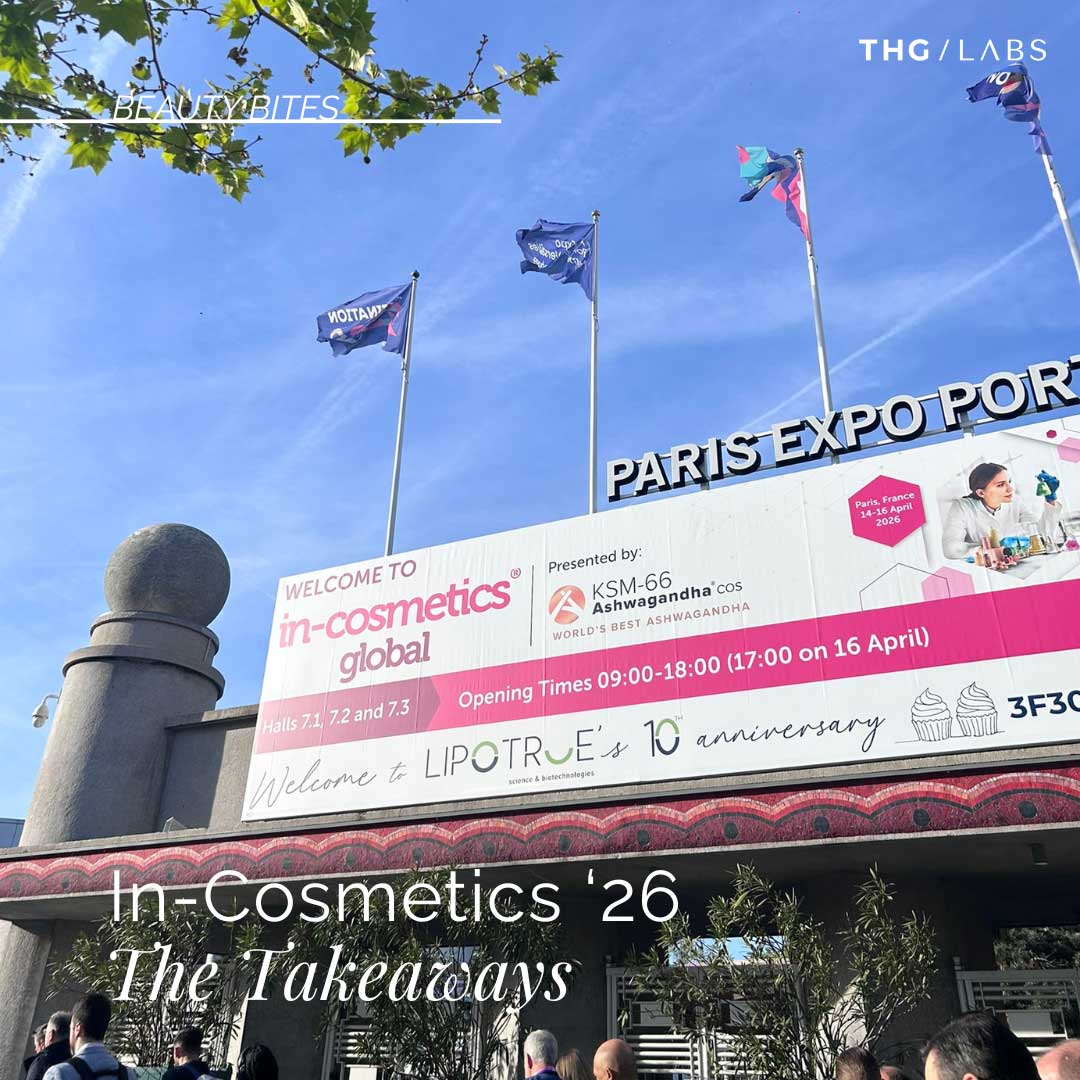
The dominant conversation at In-Cosmetics Global 2026 was not novelty for novelty’s sake, but the growing expectation for beauty products to demonstrate biological relevance, technical credibility and measurable performance. Across skincare, haircare and suncare, ingredient innovation is becoming increasingly mechanism-led, shaped by advances in biotechnology, delivery systems and efficacy testing.
For brands, this creates both opportunity and complexity. Consumers are becoming more fluent in scientific language, while retailers, AI-powered discovery systems and social platforms increasingly prioritise products with clear functionality and differentiated technical positioning. The challenge for product developers is no longer simply identifying trending ingredients, but translating complex science into commercially viable, regulation-ready formulations that deliver tangible user experience benefits.
Biotech, Longevity and the Rise of Mechanism-Led Formulation
Longevity remains one of beauty’s most commercially powerful innovation platforms, though the category is rapidly evolving beyond traditional anti-ageing narratives. Blue biotech, extremophile-derived actives, peptides and fermentation technologies are increasingly being positioned around resilience, repair pathways and biological optimisation rather than superficial cosmetic correction alone.
This signals a broader shift in formulation thinking. Products are now expected to support skin and scalp environments over time, with efficacy framed around long-term maintenance, barrier integrity and cumulative performance. At a manufacturing level, this requires increasingly sophisticated formulation strategies, ingredient compatibility testing and scalable processing capabilities to maintain stability and sensory elegance while supporting technical claims.
The Convergence of Clinical Inspiration and Consumer Beauty
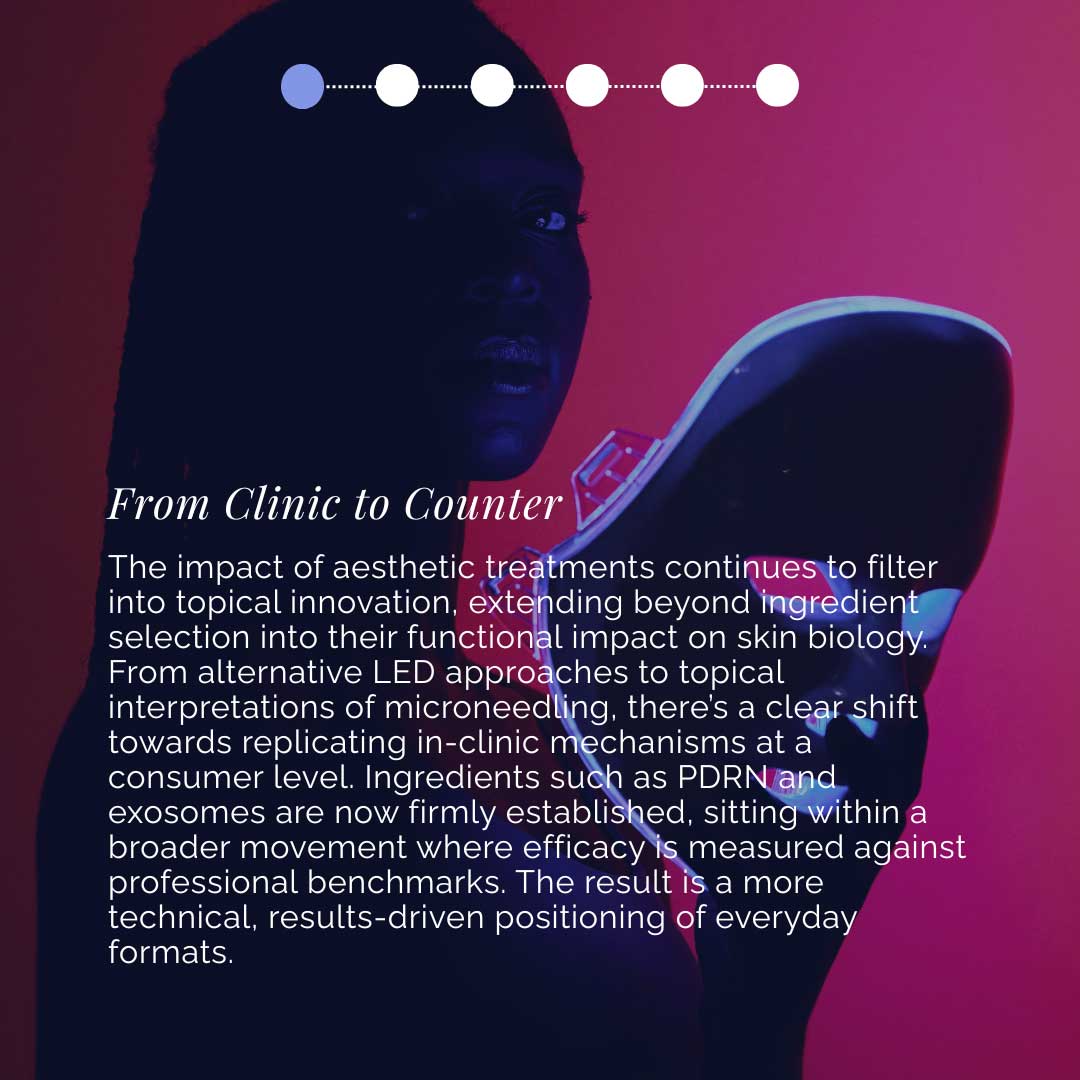
Professional aesthetics continue to influence consumer product development, particularly within dermocosmetics and advanced skincare. Ingredients such as PDRN, exosomes and biomimetic peptides are becoming more visible within topical formulations, while delivery systems increasingly reference in-clinic technologies and treatment-inspired mechanisms.
As this space matures, formulation expertise becomes critical. Translating highly technical concepts into compliant, scalable and consumer-friendly products requires careful balancing of efficacy, claims positioning, sensorial performance and regulatory considerations.
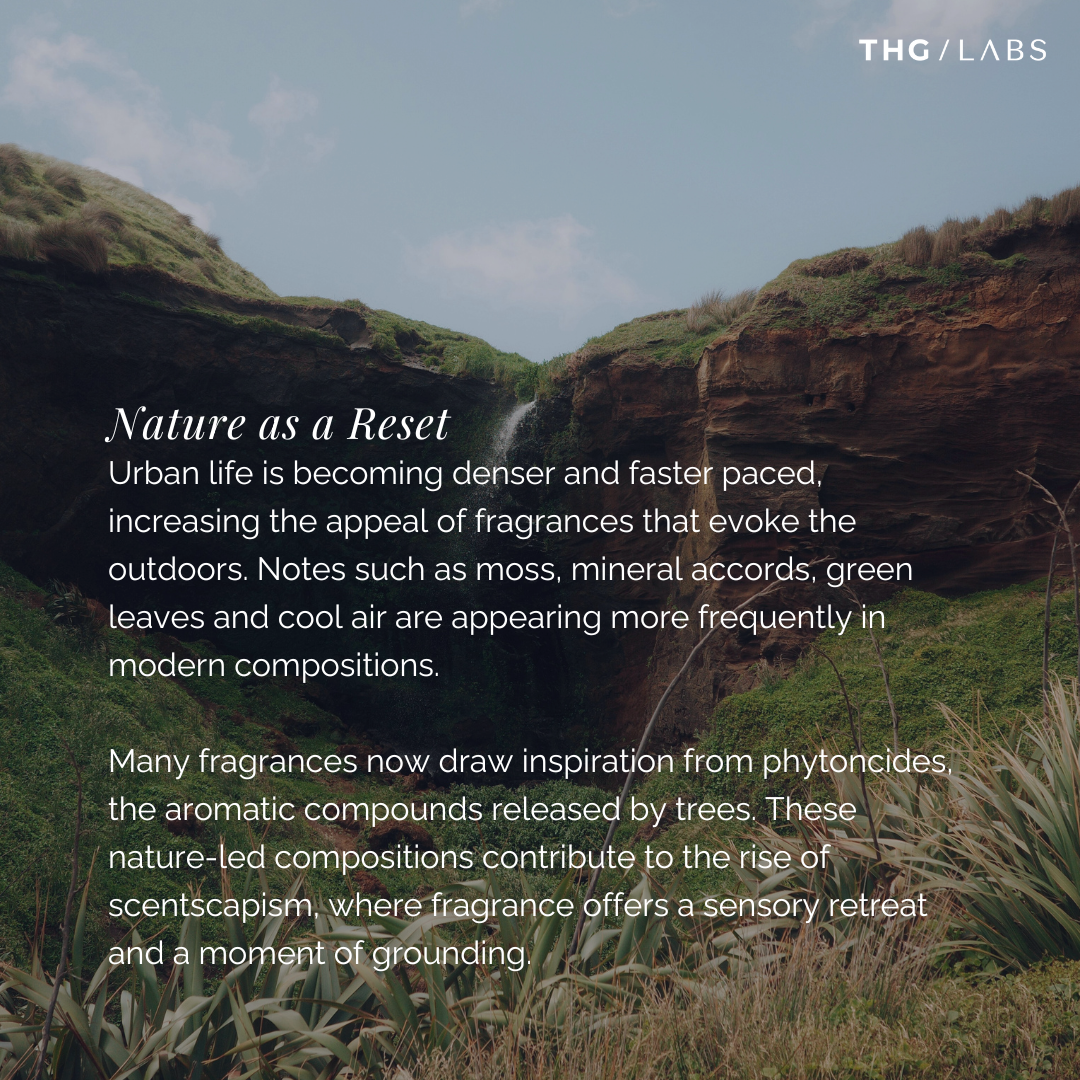

From Expression to Experience: The Evolving Role of Fragrance in Product Development
Formally having a function that was purely expressive function, fragrance has become altogether more immersive, functional, and context-driven.
Rather than acting as a standalone signature, scent is increasingly being designed to enhance mood, integrate with routines, and align with broader lifestyle positioning. This is naturally influencing how fragrance is approached at a formulation level, requiring a more nuanced understanding of wearability, interaction with skin, and compatibility across formats.
For brands, this opens up new territory, but also introduces complexity in ensuring that creativity translates into scalable, stable, and commercially viable products.
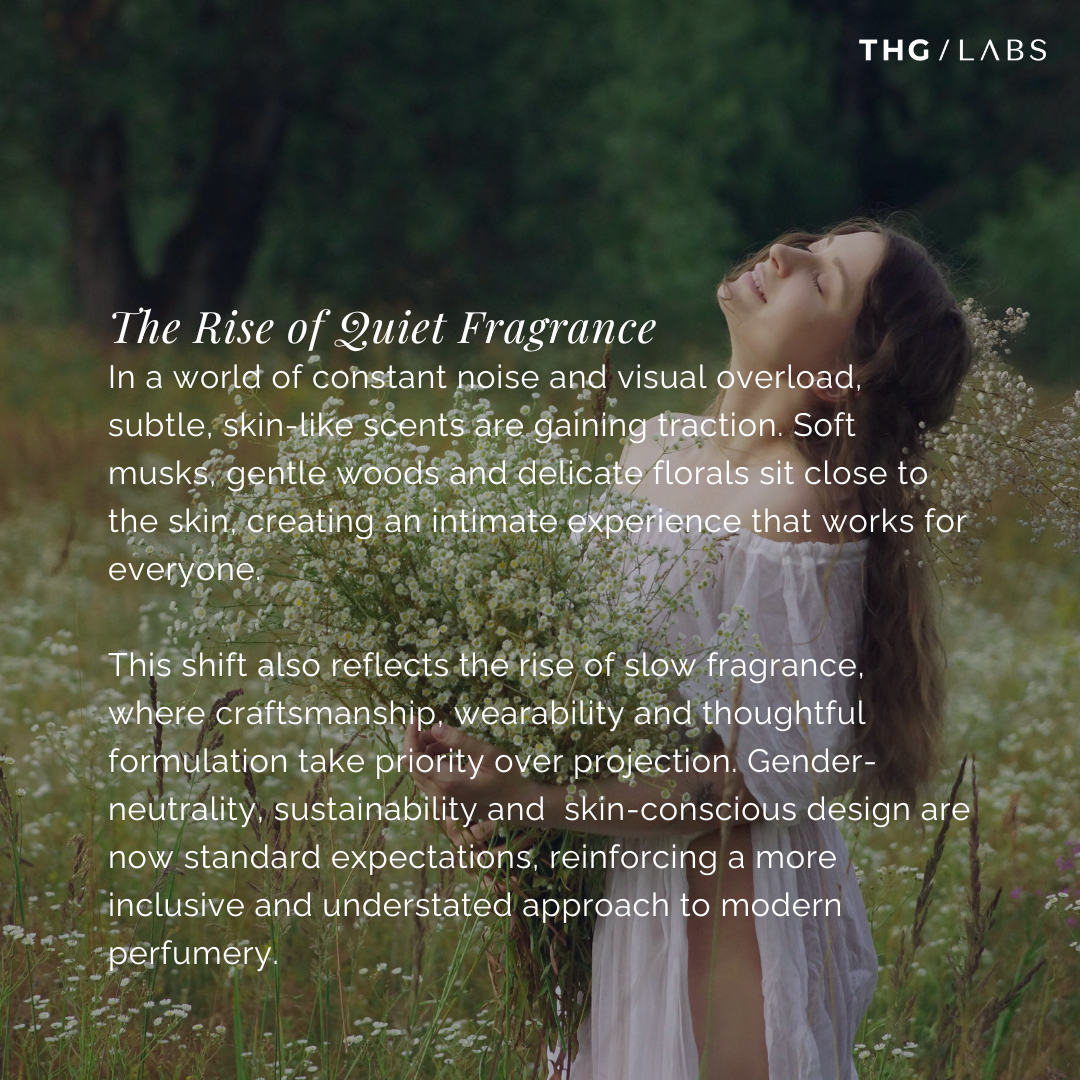
Designing for Proximity: The Technical Shift Behind “Quiet” Fragrance
Skin-close fragrance requires a different formulation mindset compared to traditional high-projection perfumes.
Lower diffusion, softer volatility curves, and a focus on base and mid notes mean compositions must be carefully balanced to ensure they remain perceptible without overwhelming. This often involves fine-tuning solvent systems, adjusting concentration levels, and managing evaporation profiles.
At a manufacturing level, consistency becomes critical, as subtle variations in composition can significantly alter how a fragrance wears over time.
Translating Emotion into Measurable Performance
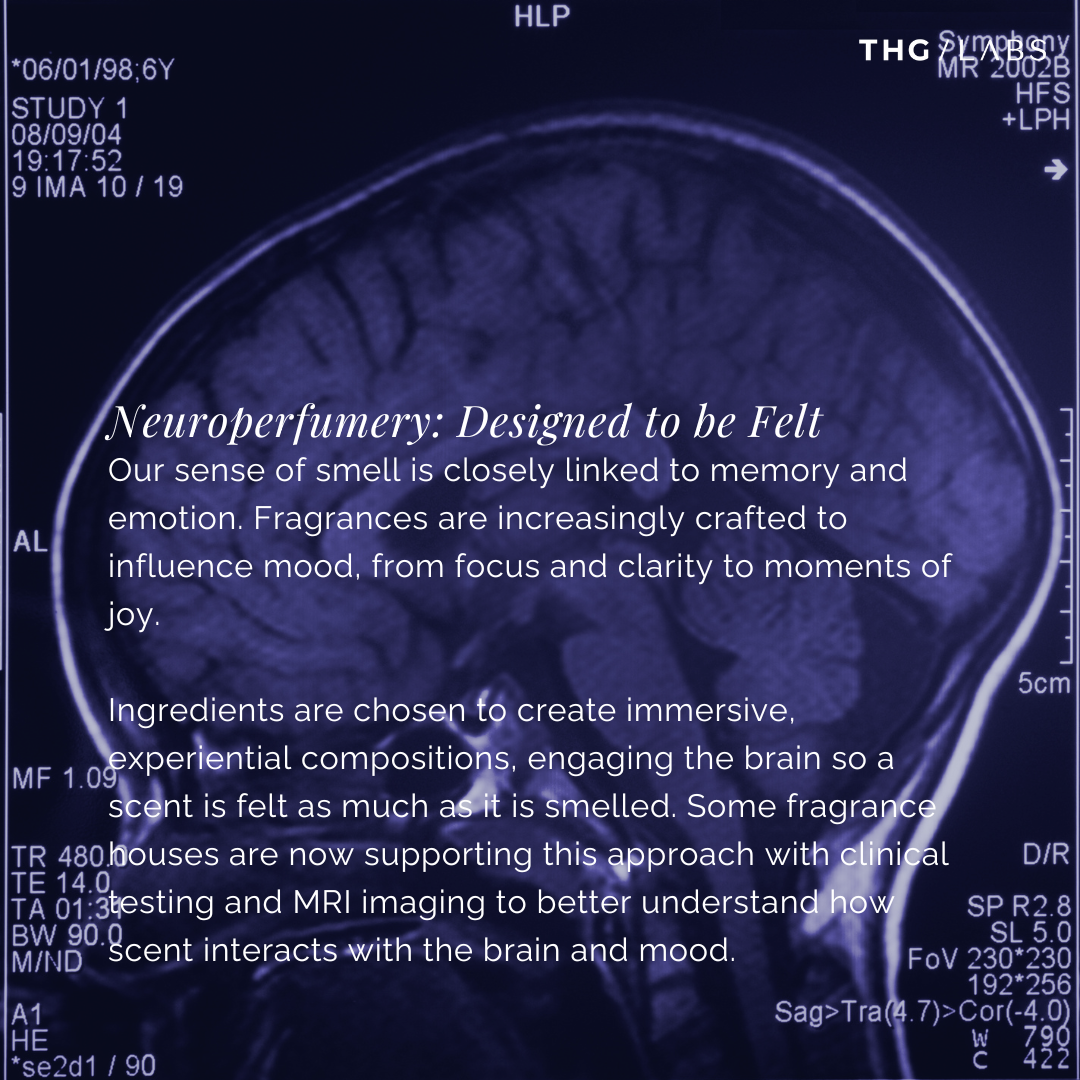
The rise of neuroperfumery signals a growing interest in linking fragrance to cognitive and emotional outcomes.
While the language of mood enhancement is gaining traction, translating this into compliant cosmetic claims requires careful positioning. From a development perspective, this means focusing on sensory experience design, ingredient selection, and reproducibility rather than overstated functional promises.
The opportunity lies in creating fragrances that feel purposeful and considered, while remaining grounded within regulatory frameworks.
Nature-Led Composition Meets Formulation Reality
The increasing demand for nature-inspired scents brings both creative opportunity and technical challenge.
Notes derived from green, mineral, and forest-inspired accords often rely on complex blends of naturals and synthetics to achieve both authenticity and stability. Raw material variability, oxidation risk, and compatibility with base formulations must all be managed carefully.
For manufacturers, this requires a balance between olfactive intent and formulation robustness, particularly when scaling production.
Reworking Familiar Profiles for a More Sophisticated Consumer
The growth of gourmand fragrance reflects a broader maturation in consumer taste.
Rather than overt sweetness, modern compositions lean towards depth, contrast, and texture, combining edible notes with woods, resins, and darker accords. Achieving this balance requires precision in both fragrance composition and product base compatibility, ensuring the scent performs consistently across different formats.
For brands, this creates space to reinterpret familiar fragrance families in a way that feels more elevated and differentiated.
From Surface Shine to Scalp Science: The New Architecture of Haircare
Haircare innovation is expanding into multi-layered systems, where performance is engineered across the fibre surface, the scalp environment, and the routines that connect them.
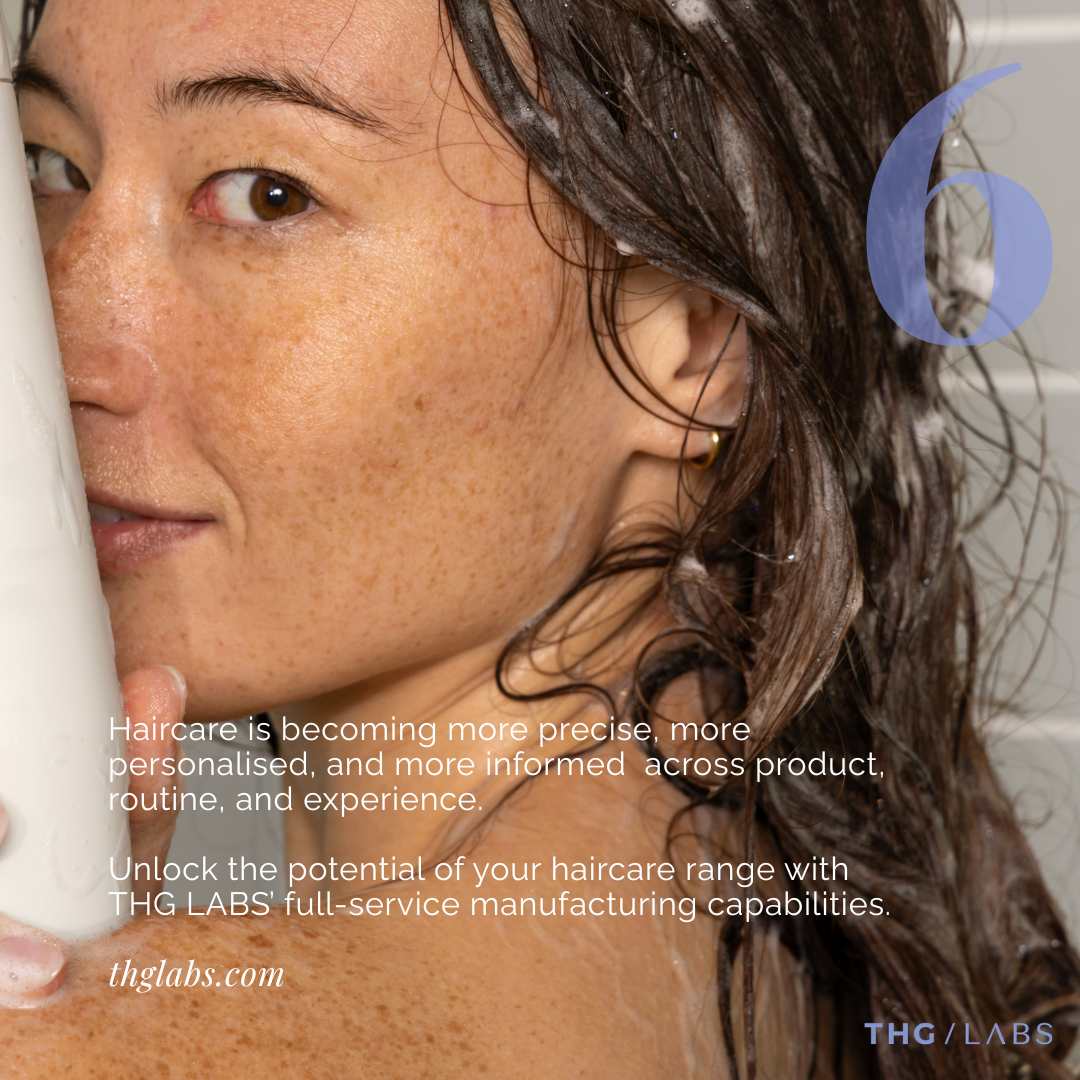
What is emerging is an integrated approach to product development, where optical performance, biological support, and delivery format are considered in parallel. For brands, this represents a shift away from isolated hero claims of single ingredients towards cohesive, system-led ranges that deliver both immediate and long-term results.
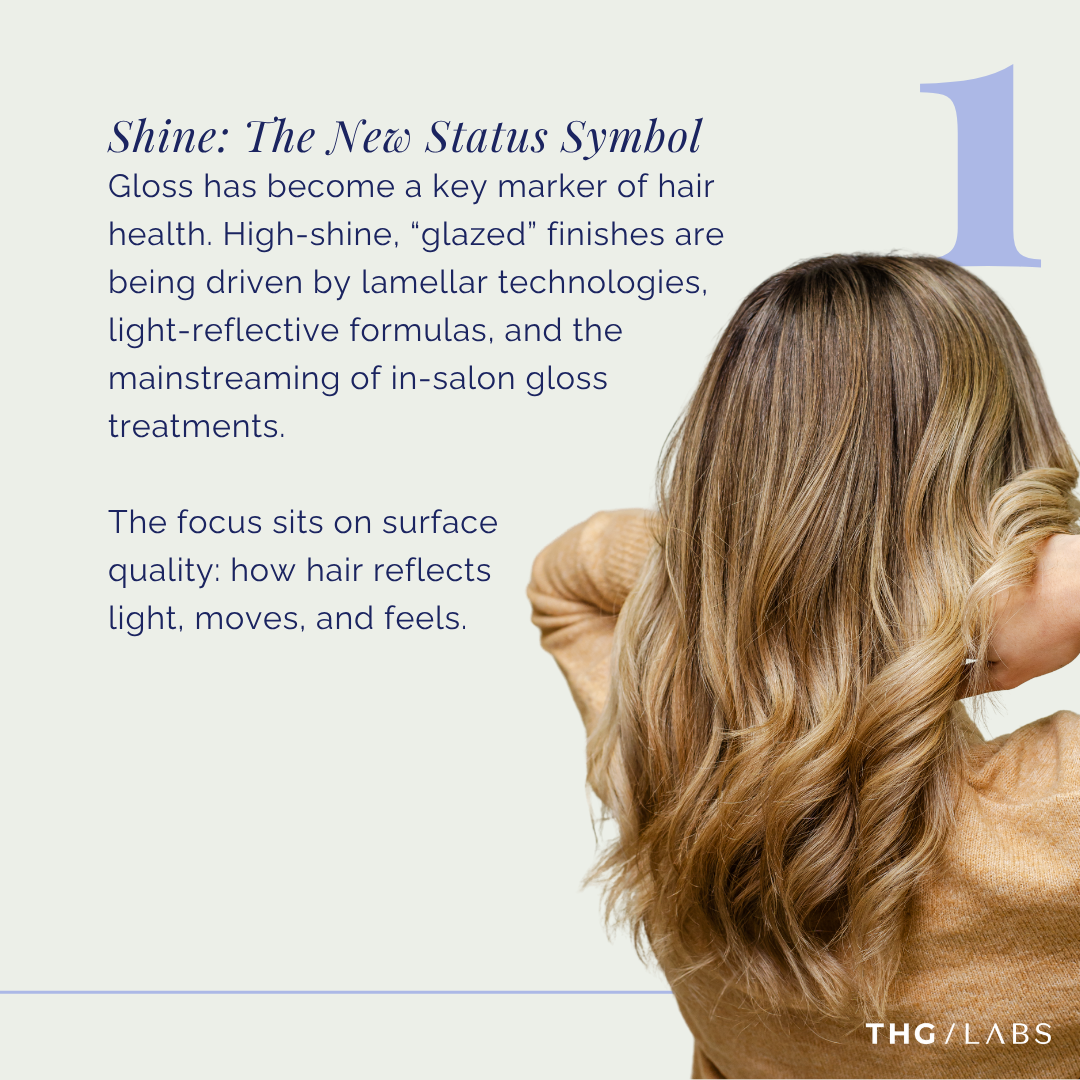
Engineering Optical Performance at the Fibre Level
High-shine finishes are not simply aesthetic, they are increasingly being used as a visible proxy for hair health.
Achieving this requires precise control over how formulations interact with the fibre surface. Technologies such as lamellar systems and lightweight conditioning agents are designed to align the cuticle, smooth irregularities, and optimise light reflection without creating build-up.
For product developers, the challenge lies in balancing surface uniformity with sensory lightness, ensuring gloss is achieved without compromising movement or texture.
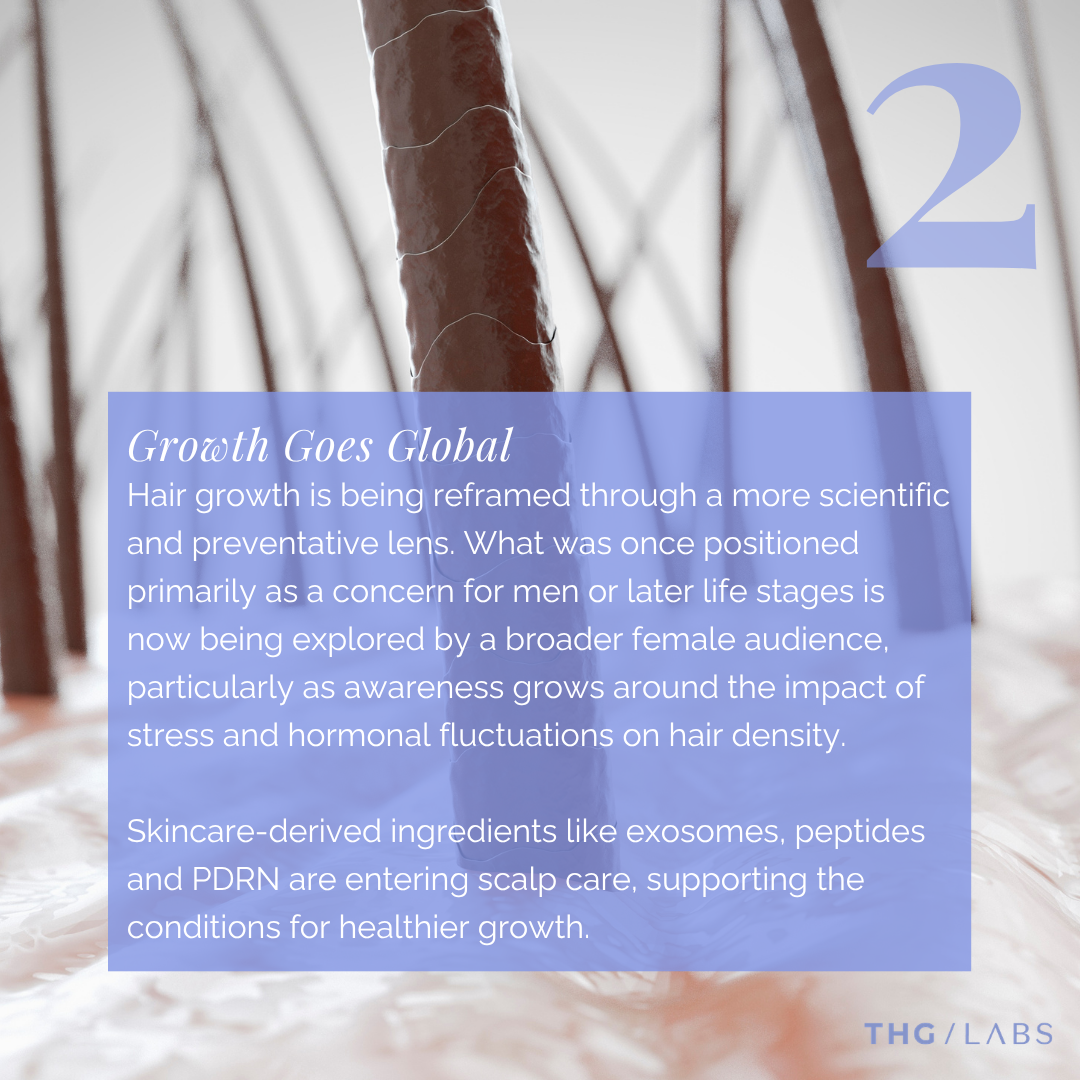
Scalp as a Biological System, Not Just a Target Area
The growing focus on scalp care is aligned with the momentum towards preventative, condition-led haircare.
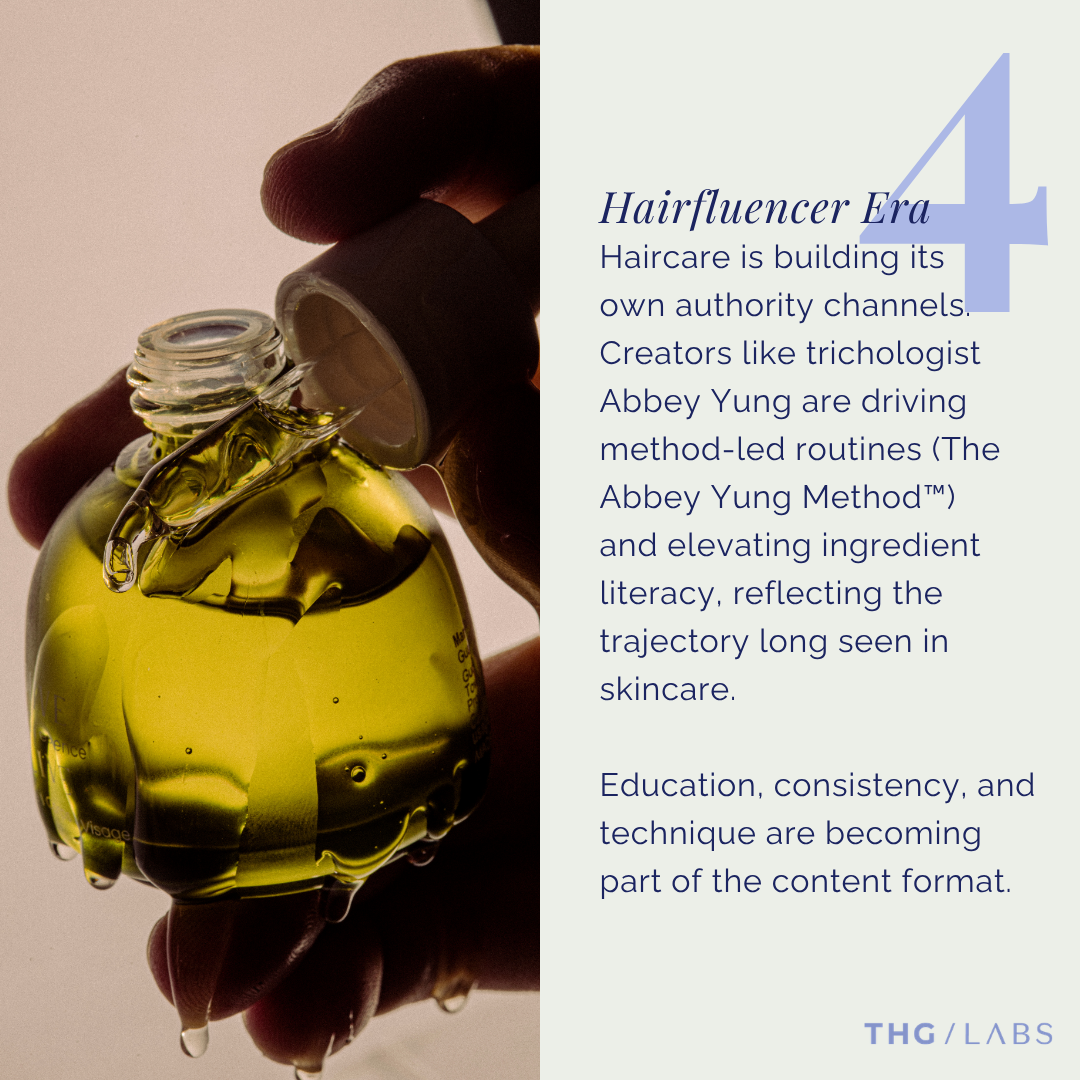
Formulation is increasingly informed by an understanding of the scalp as a dynamic environment influenced by factors such as microbiome balance, inflammation, and hormonal change. Ingredients traditionally associated with skincare are now being adapted to support longer-term hair density and resilience.
This requires careful navigation of regulatory frameworks, ensuring claims remain cosmetic while still delivering meaningful, science-led positioning.
Format Innovation as a Driver of Routine Integration
How a product is delivered is now just as important as what it contains.
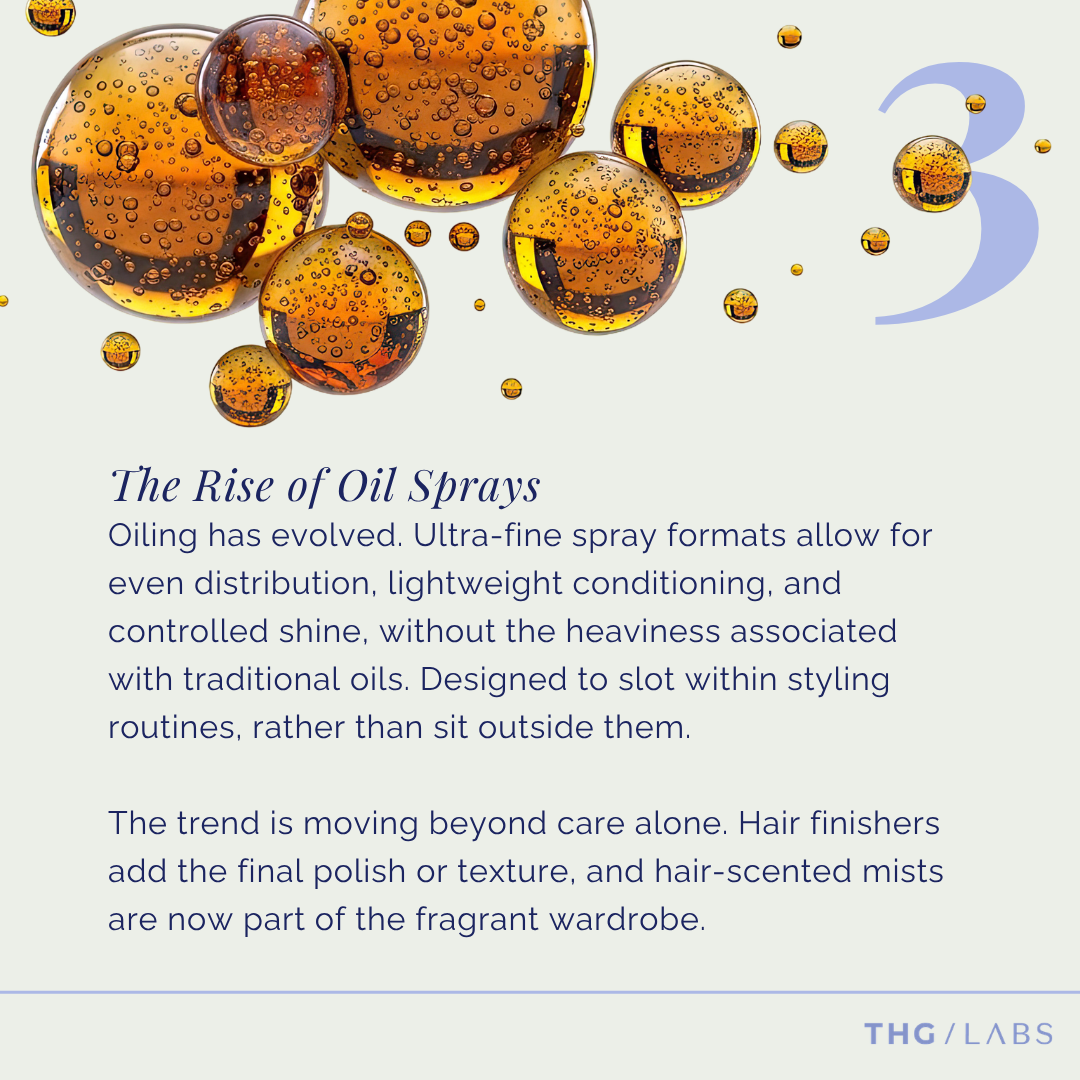
Formats such as ultra-fine oil sprays, hybrid finishers, and sensorial mists are designed to integrate seamlessly into existing routines, offering precision application, controlled deposition, and enhanced user experience.
At a manufacturing level, this introduces additional complexity, from viscosity management and spray compatibility to filling processes and pack selection, all of which influence final performance.
Data, Diagnostics and the Move Towards Personalised Haircare
The rise of diagnostic tools is also reshaping how haircare products are positioned and developed.
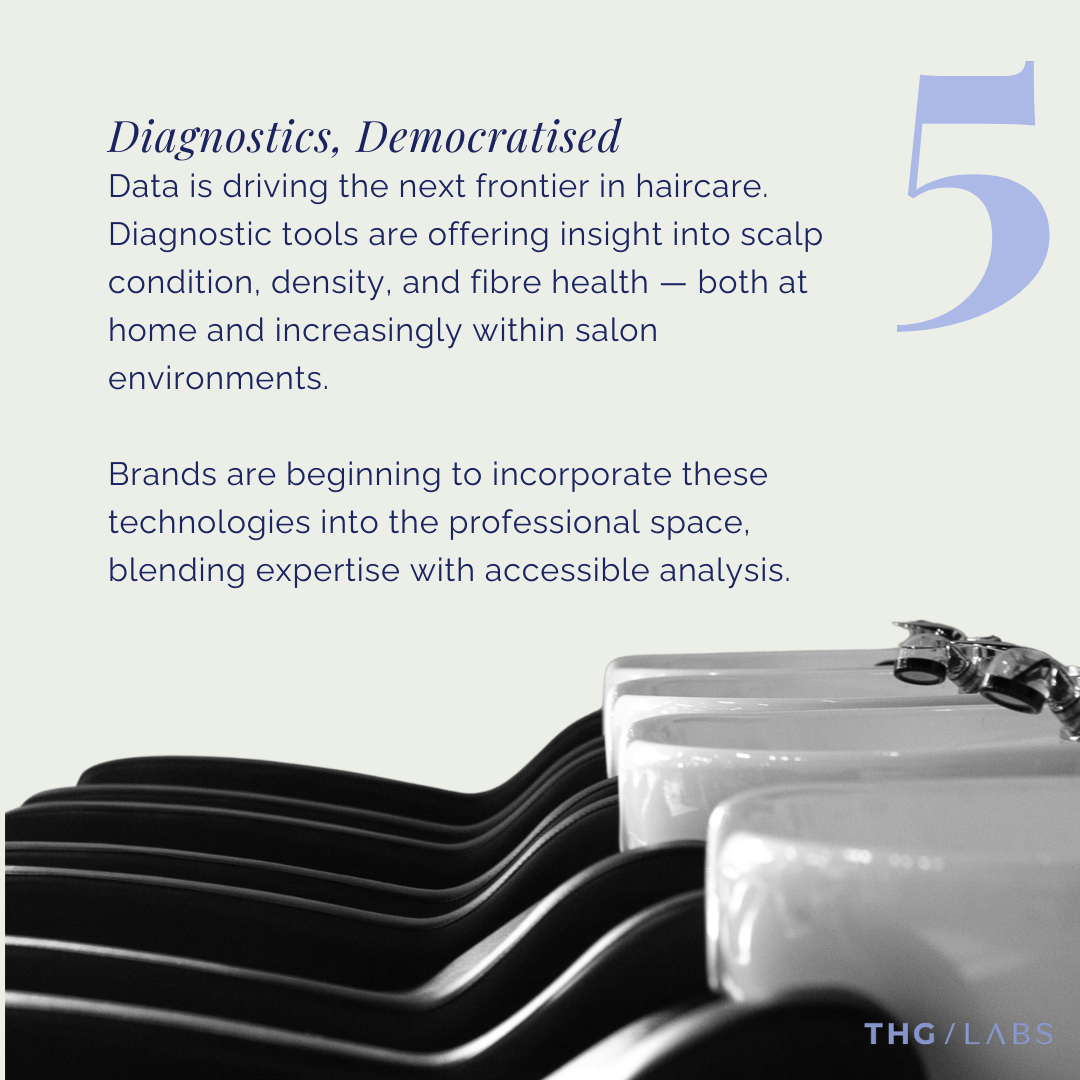
Access to data on scalp condition, fibre integrity, and density is enabling more targeted product strategies, bridging the gap between professional and at-home care. For brands, this exposes opportunities to create adaptive routines supported by both formulation and technology.
Delivering against this requires close alignment between R&D, digital innovation, and manufacturing, ensuring that increased personalisation does not compromise scalability.
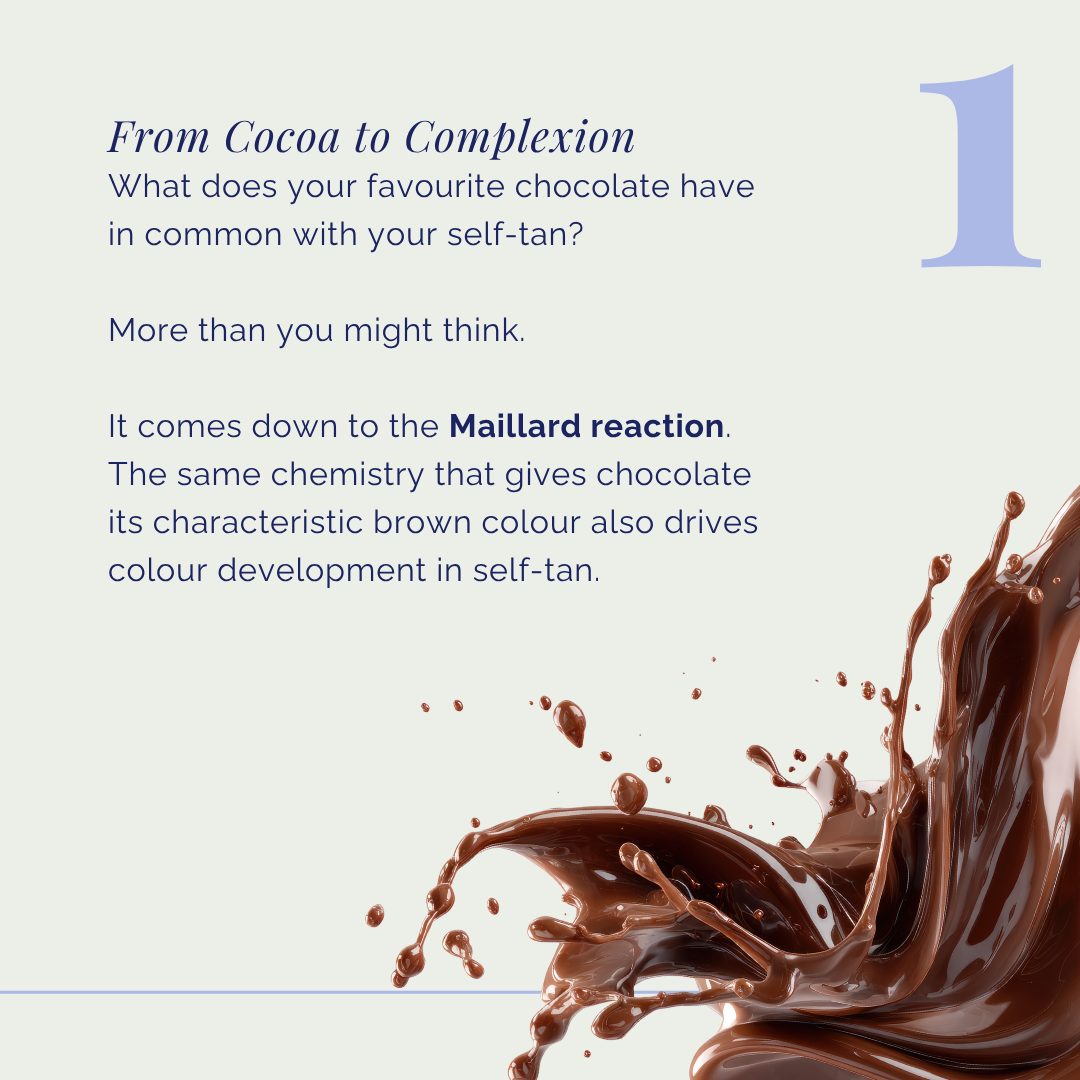
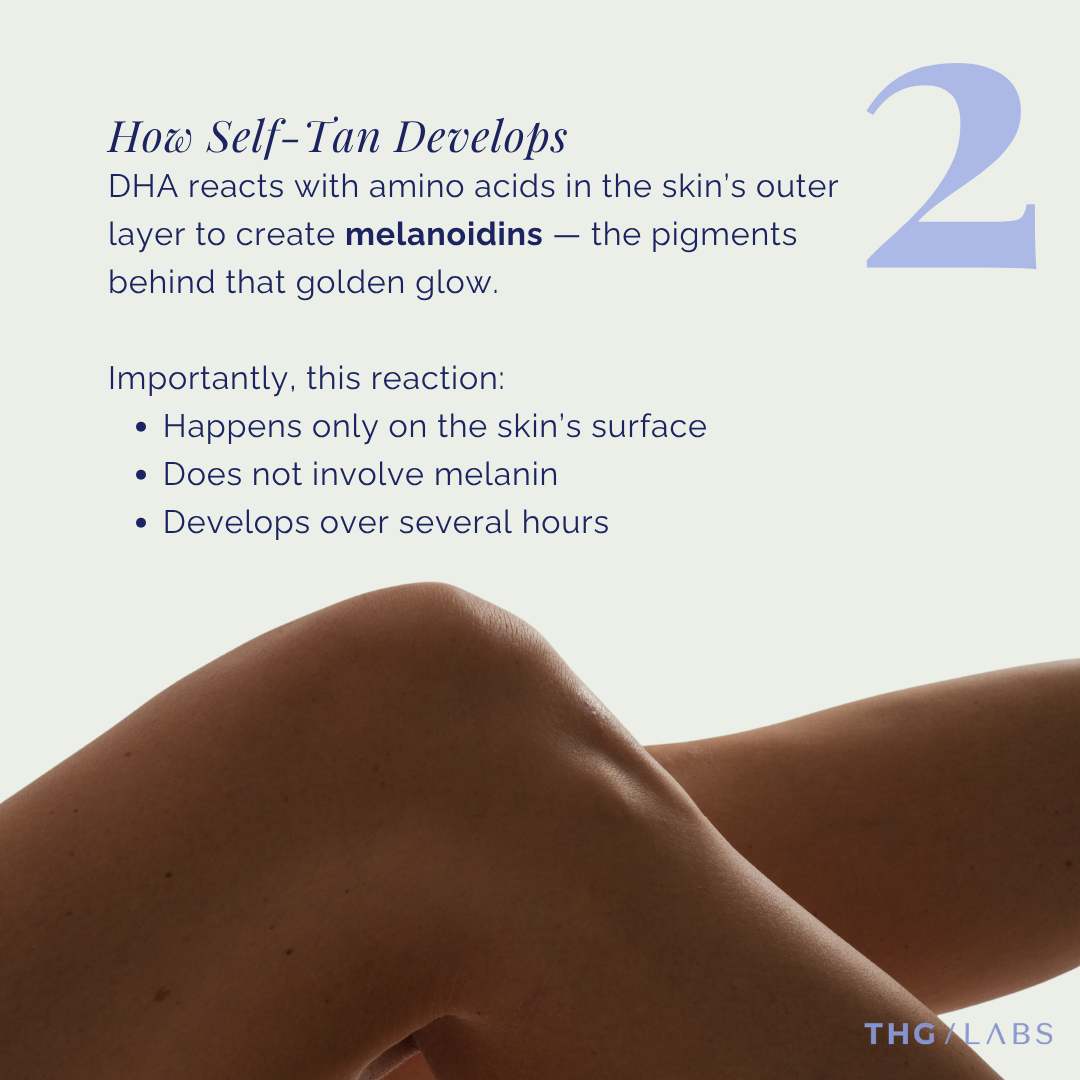
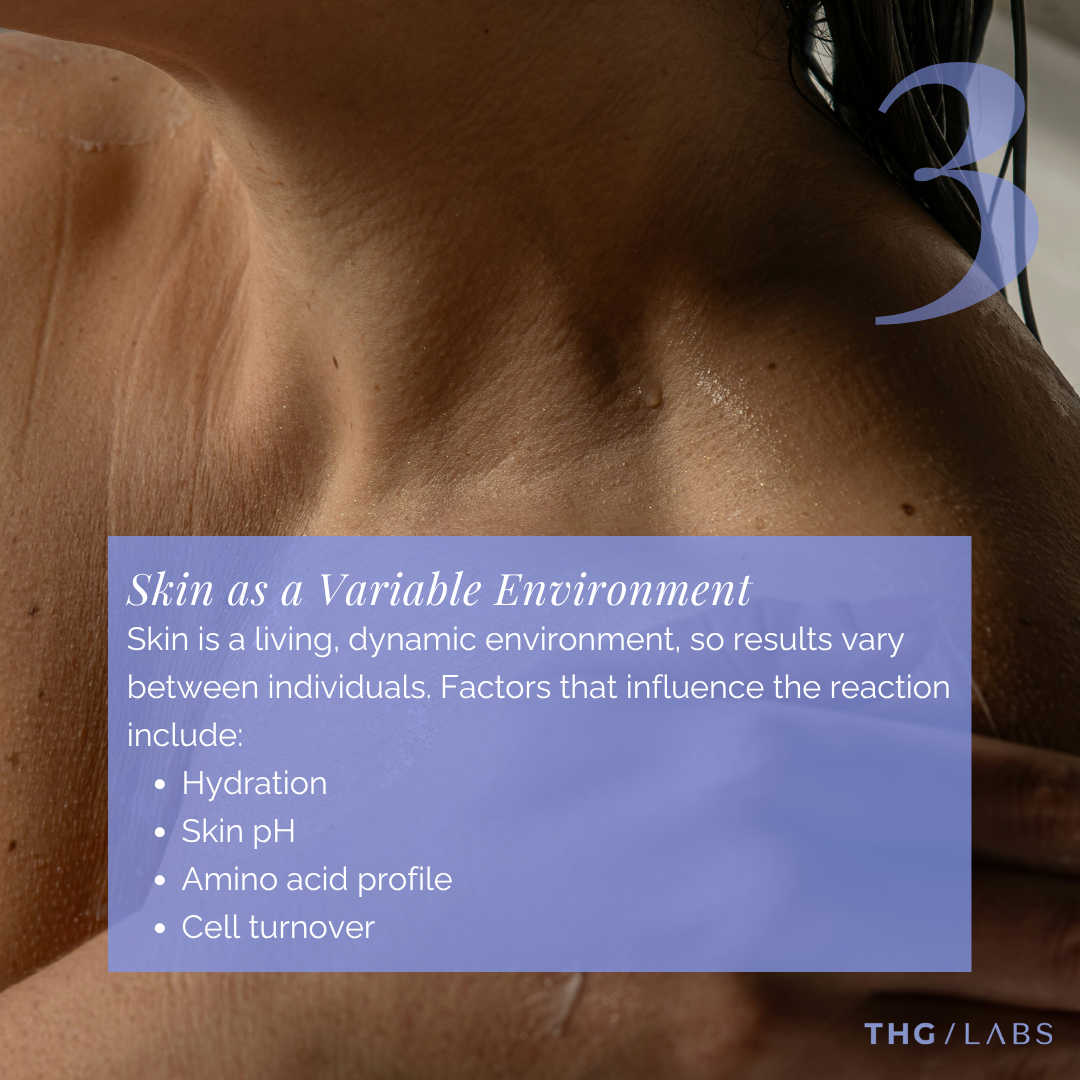
Formulating Self Tan – The Considerations
Engineering Consistency in an Inherently Variable Category
Self-tan sits in a uniquely complex space within cosmetic formulation. While the underlying chemistry is well understood, the challenge lies in translating that chemistry into predictable, repeatable performance on skin.
Unlike many colour cosmetics where results are immediate and controlled, self-tan relies on a time-dependent reaction within a biologically active substrate – the skin. This introduces a level of variability that cannot be fully standardised, only carefully managed.
From a product development perspective, success is defined not by the reaction itself, but by how well it is modulated across different users, environments, and usage behaviours.
Managing Reaction Kinetics for Controlled Colour Development
The rate at which colour develops is as critical as the final shade itself.
Too rapid, and the result can appear uneven or artificial. Too slow, and consumer perception of efficacy is reduced. Achieving the right balance requires precise control over reaction kinetics, influenced by formulation pH, water activity, and the presence of co-reactants.
Formulation development needs to consider the pace of the reaction so it’s aligned with consumer expectations while maintaining stability.
Designing for Variability, Not Uniformity
No two skin surfaces behave identically. Differences in hydration, lipid content, and protein availability mean that self-tan performance will always vary to some degree.
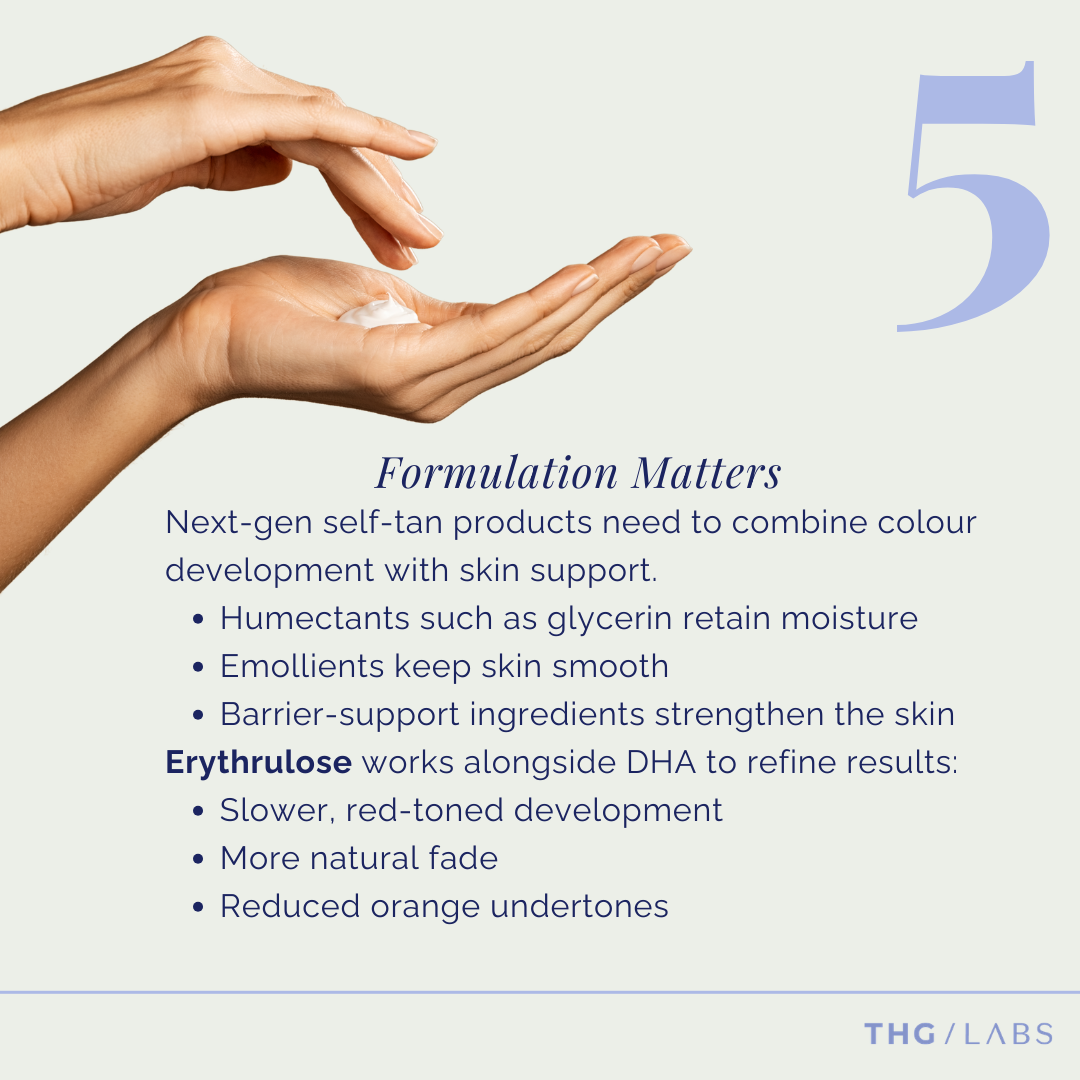
Rather than attempting to eliminate this variability, modern formulation strategies focus on building in buffers:
- Ingredients that regulate moisture levels to support even distribution
- Systems that minimise localised overdevelopment
- Textures that improve spreadability and application control
Translating Lab Performance to Manufacturing Reality
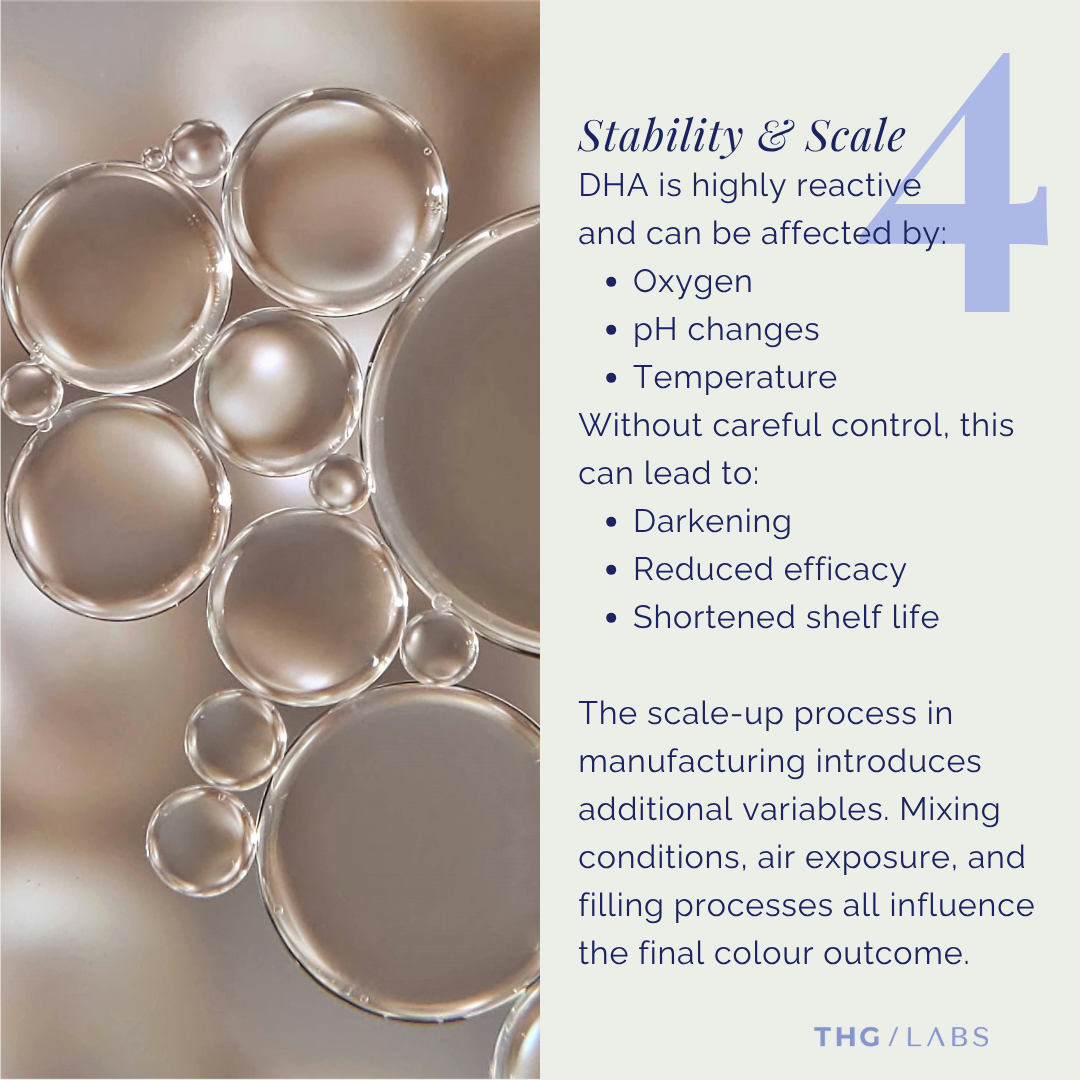
One of the most overlooked challenges in self-tan is the transition from lab-scale formulation to full-scale manufacturing.
At scale, factors such as oxygen exposure, shear forces, filling temperatures, and packaging compatibility can significantly influence product performance over time. Small shifts in these variables can alter both initial colour and long-term stability.
This makes process design just as important as formulation design, requiring close collaboration between R&D, operations, and packaging teams to maintain integrity from concept through to commercial production.
Skin Barrier Science: The Foundation of Resilient, Functional Skin
The Barrier as a Biological System
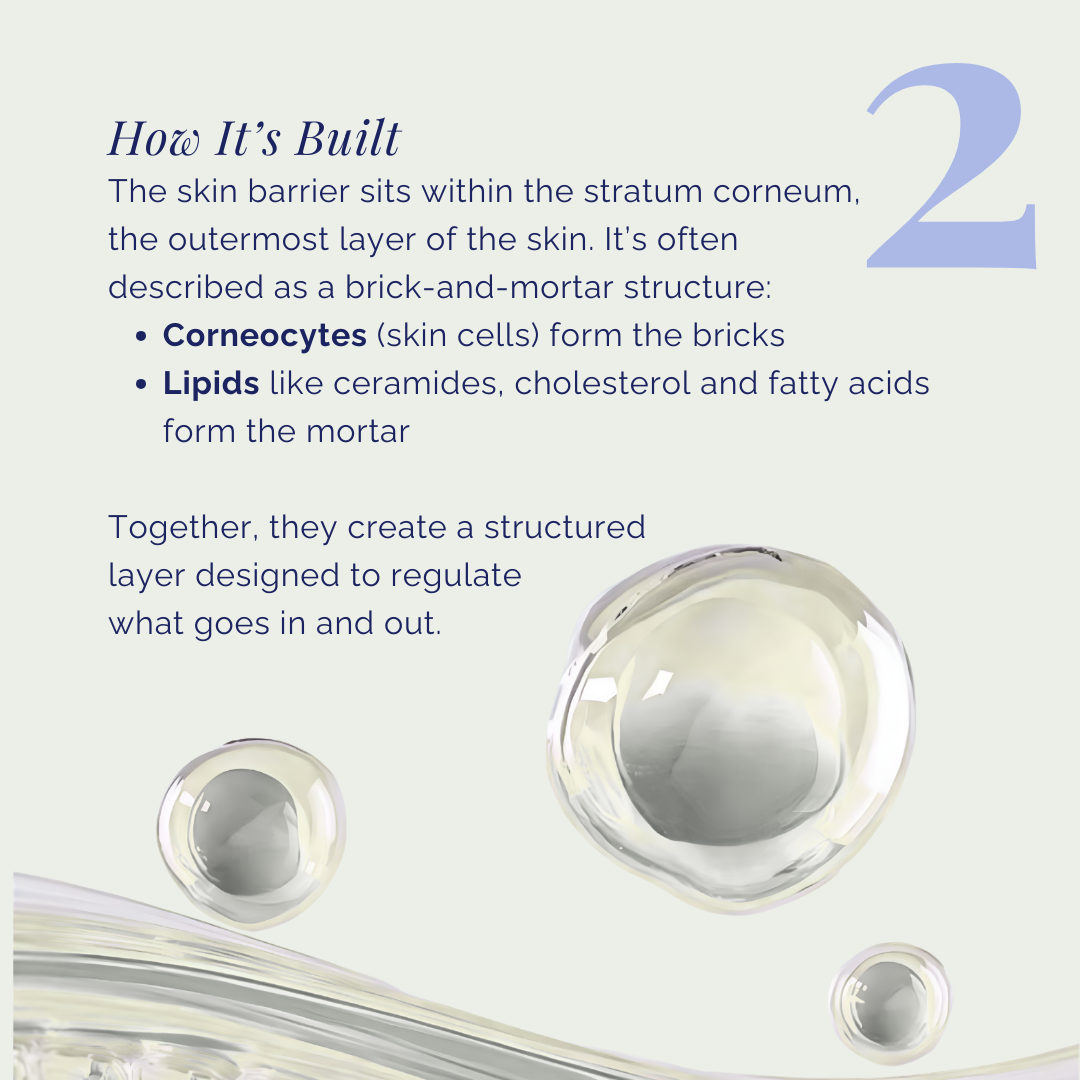
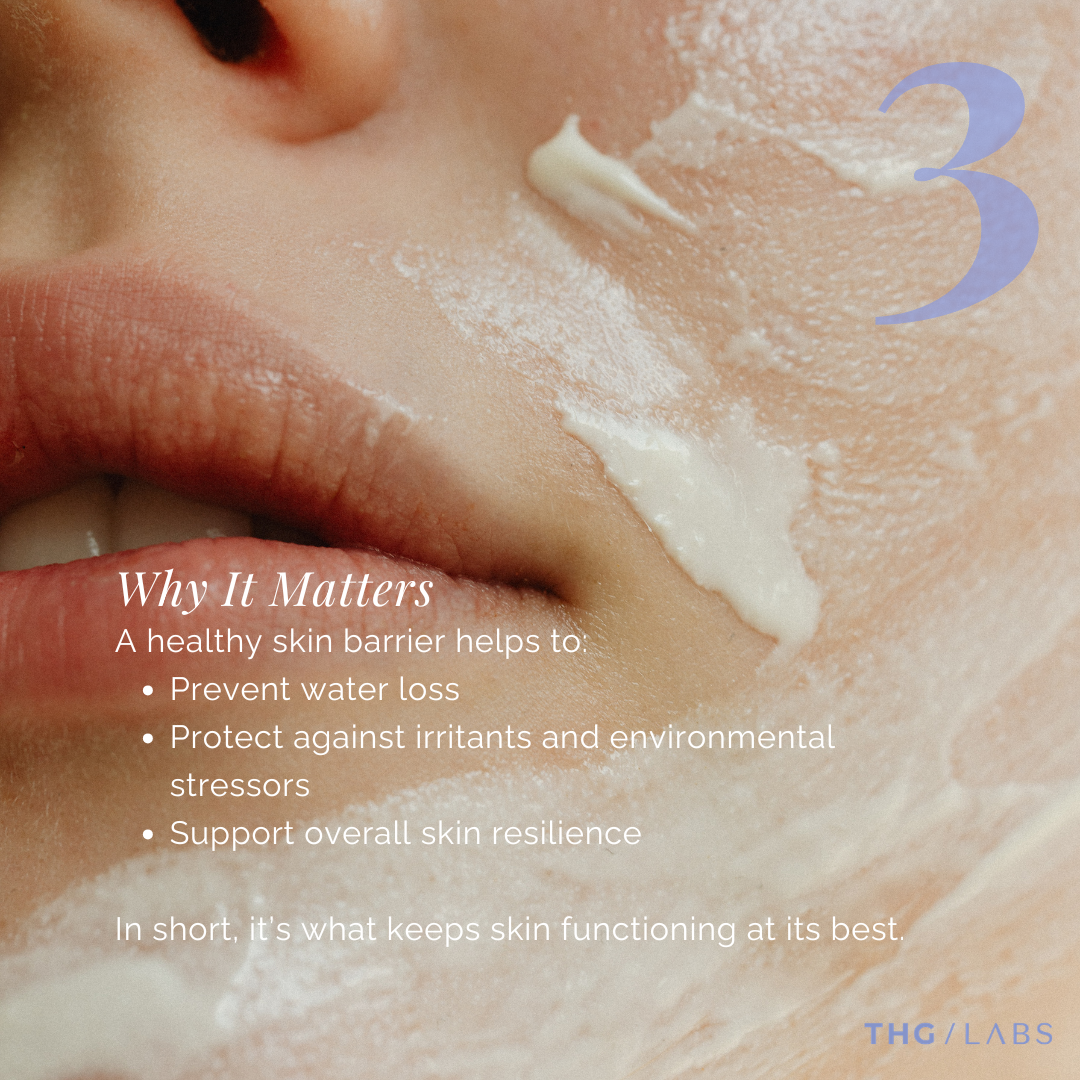
The skin barrier is often reduced to being described as a protective shield, but in formulation terms it is a dynamic, biologically active system. Located within the stratum corneum, it regulates water balance, defends against external stressors and maintains overall skin homeostasis.
Rather than acting as a passive layer, the barrier is constantly adapting to internal and external pressures. This means its condition is not fixed but influenced by cumulative exposure to environment, product use and lifestyle factors.
For formulators, we need to understand how products interact with this system over time, as well as targeting visible concerns.
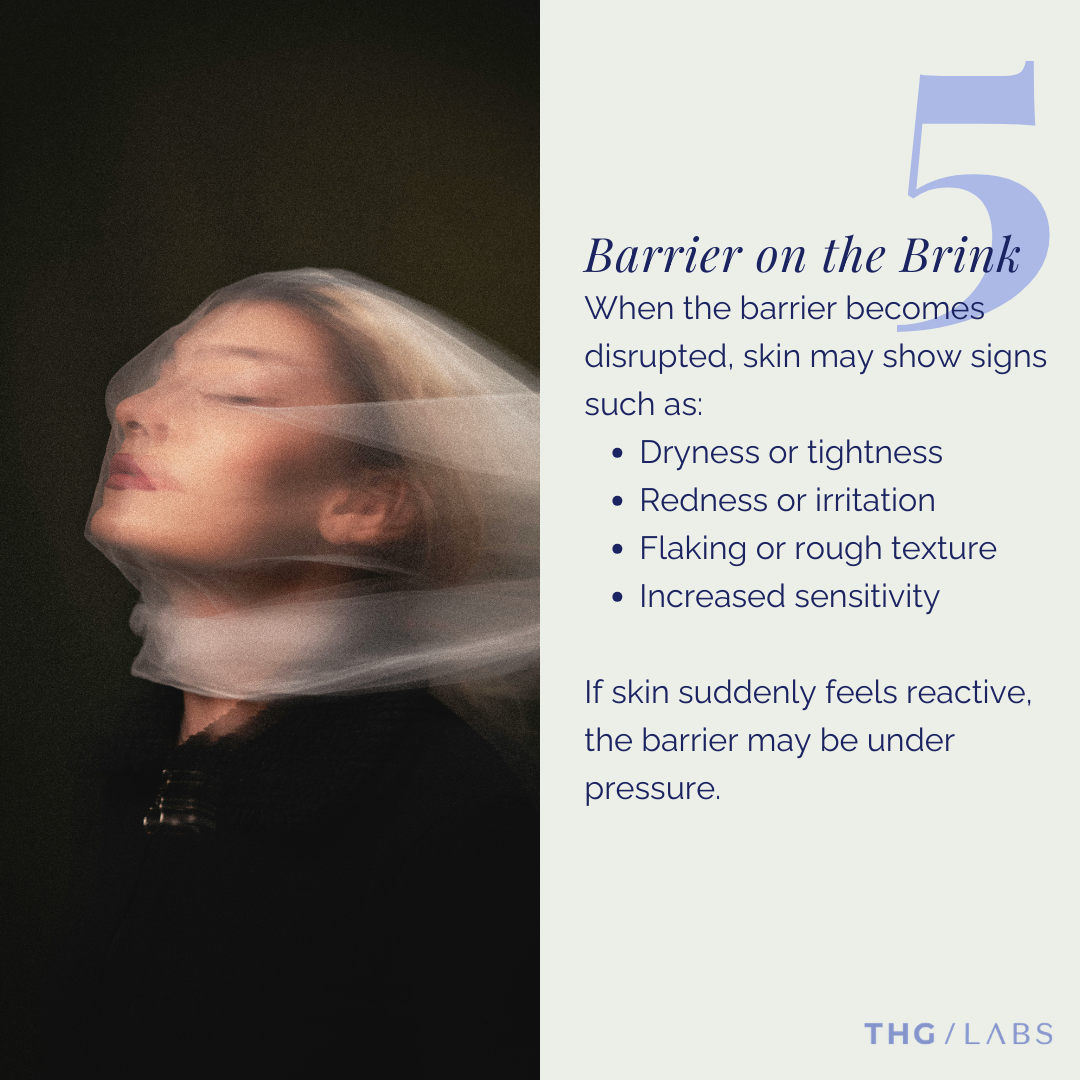
Disruption, Sensitivity and Consumers’ Changing Skin States
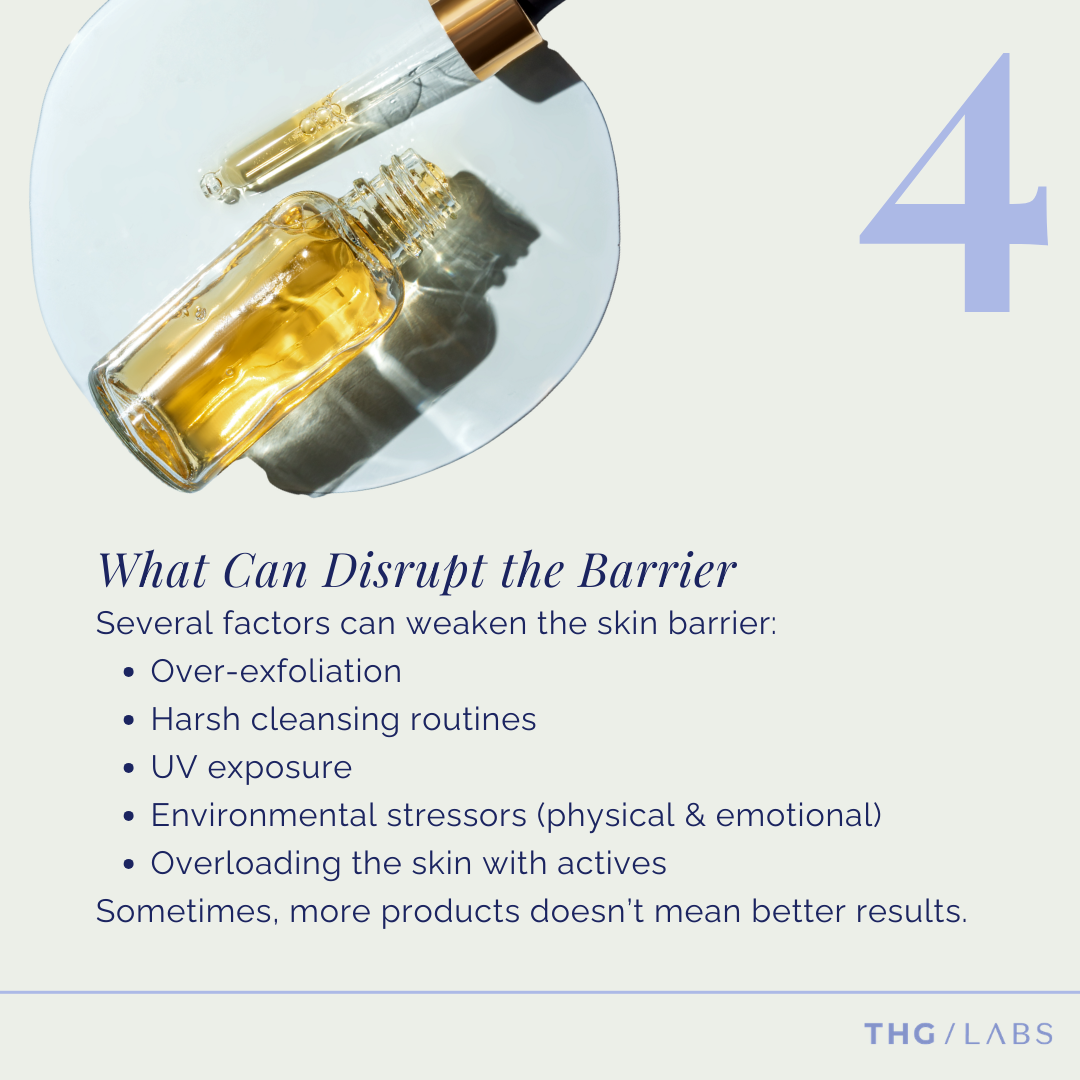
Barrier disruption is now one of the most common underlying drivers of skin concerns. Over-exfoliation, aggressive cleansing and environmental exposure can all compromise barrier integrity.
When this happens, skin becomes less predictable. Increased transepidermal water loss, heightened reactivity and reduced tolerance to actives can all follow. What may present as dryness, redness or irritation is often a signal of structural imbalance rather than a standalone concern.
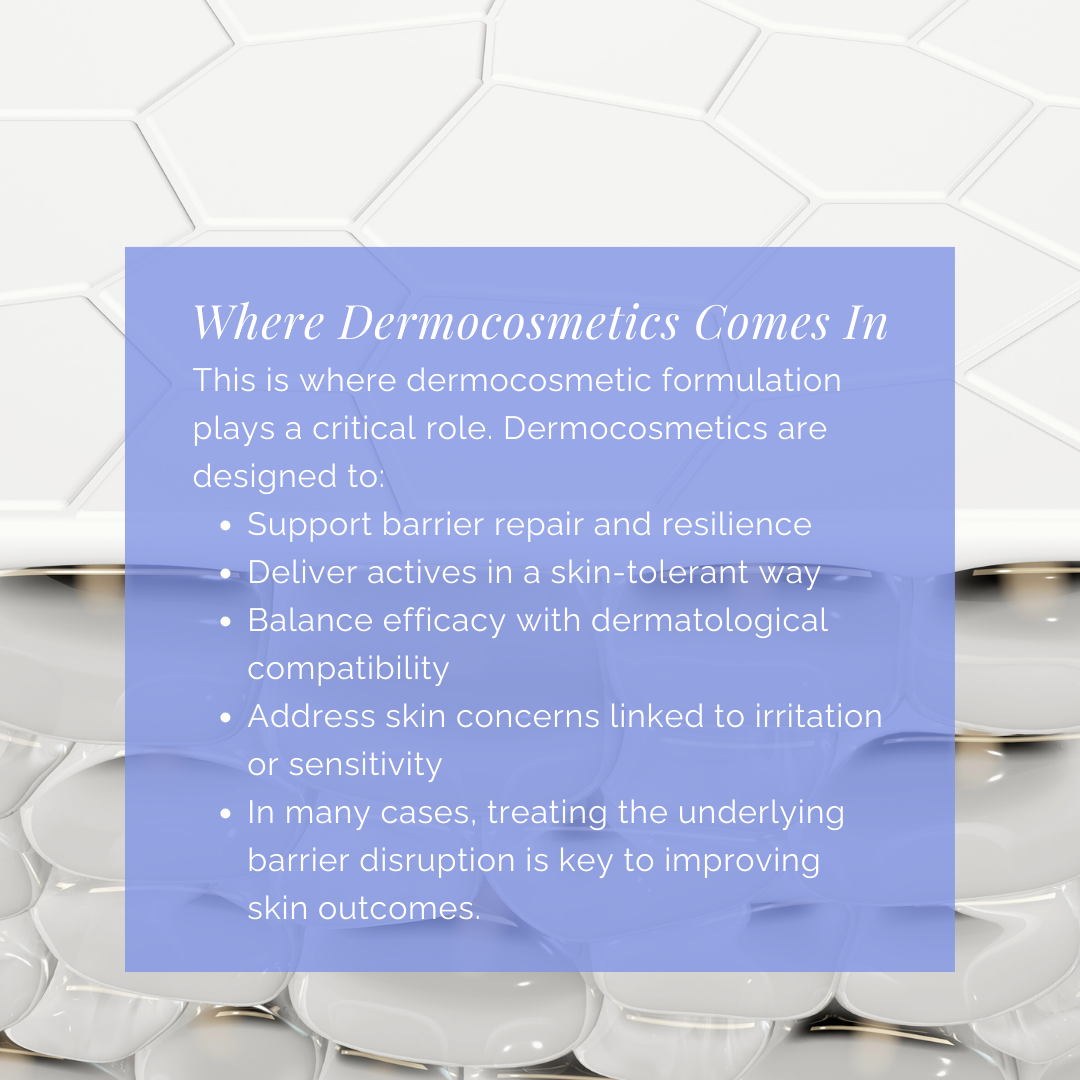
From a consumer point of view, as well as needing to correct there’s a desire for formulas that support, stabilise and restore. The rise of dermocosmetics reflects this change, placing compatibility and resilience at the centre of formulation strategy.
Formulating for Barrier Support: A Structural Challenge
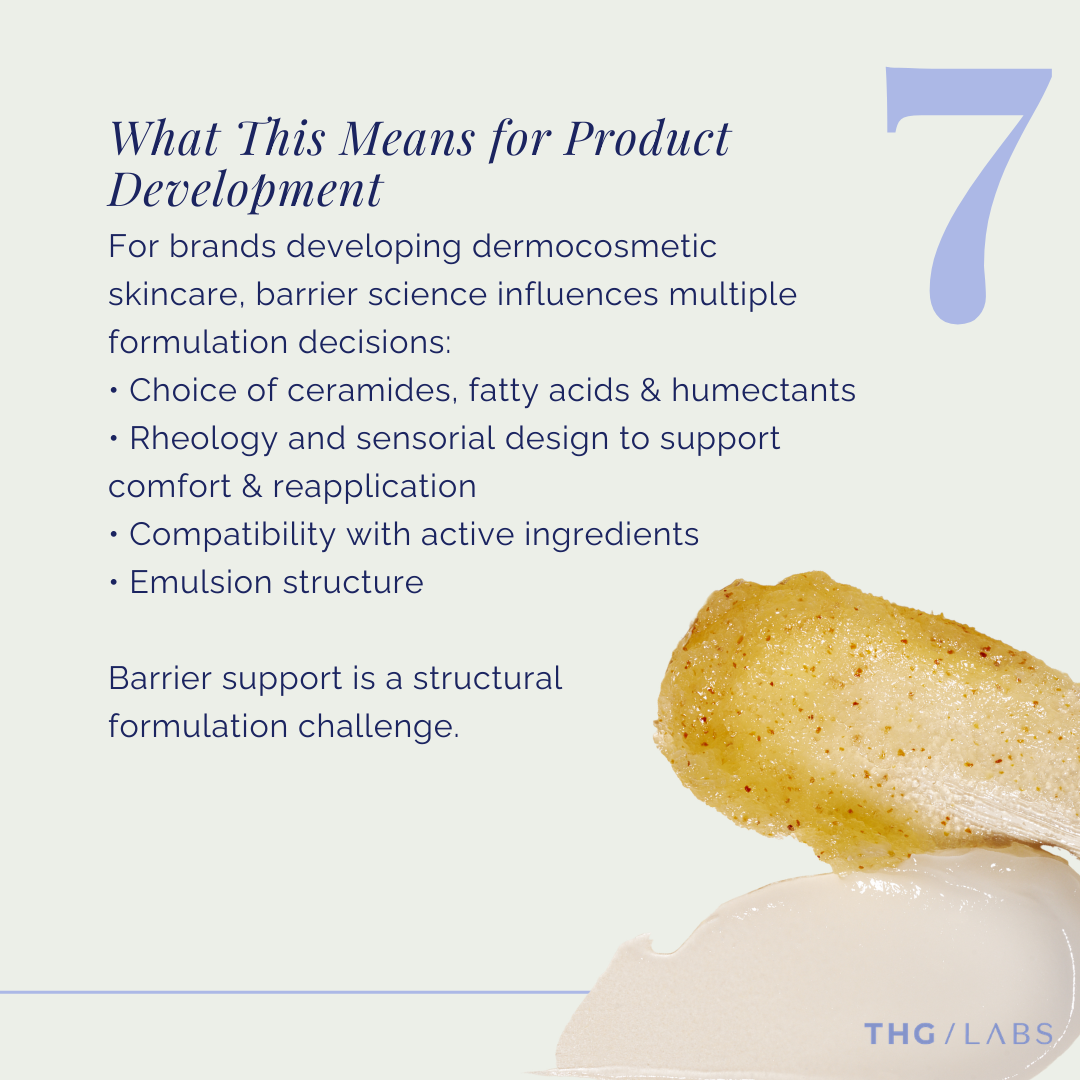
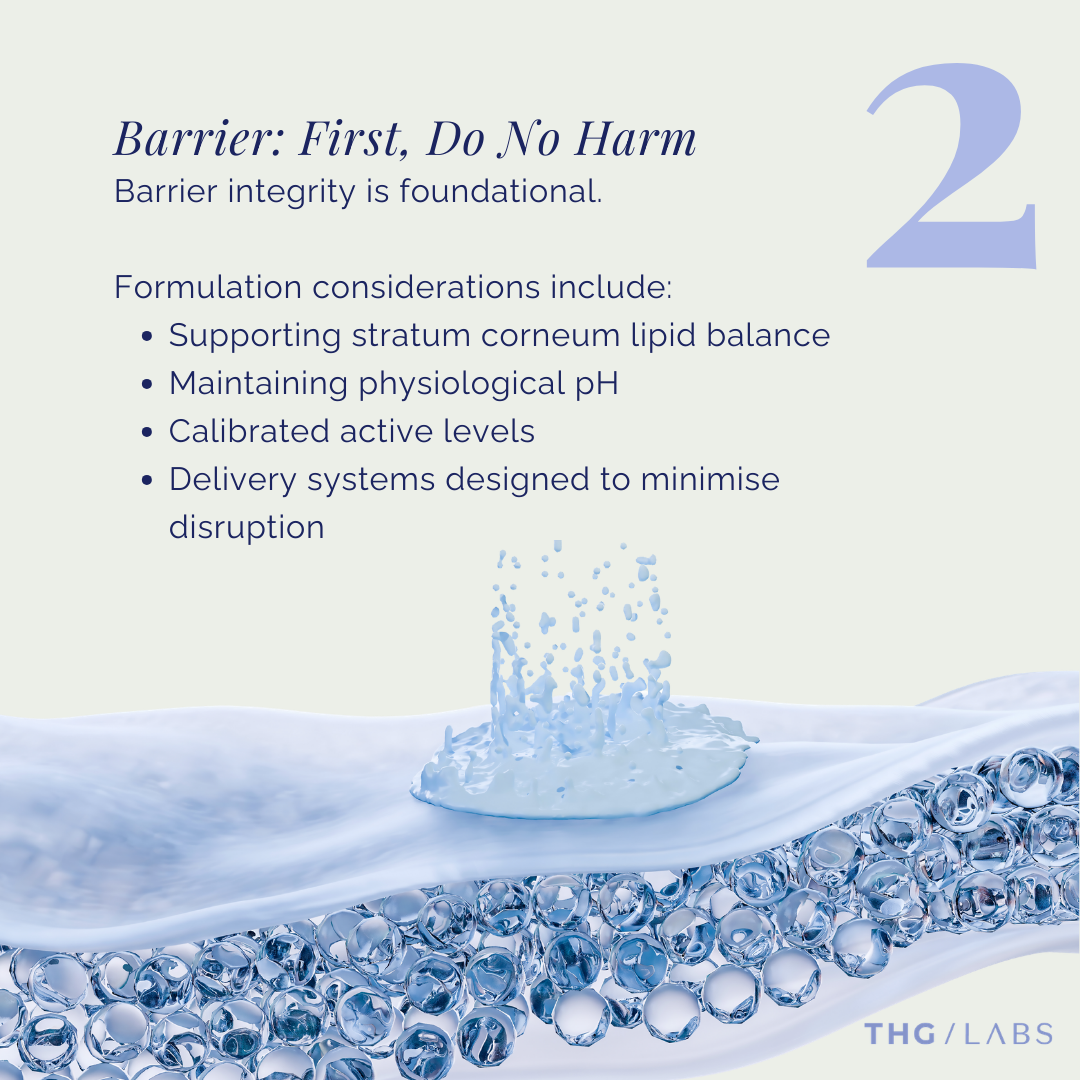
Supporting the skin barrier is not achieved through a single ingredient, but through system design. Lipid composition, humectant balance, emulsion structure and sensory profile must work together to reinforce function without overwhelming the skin.
Dermocosmetic approaches prioritise repair, tolerance and compatibility, particularly in sensitive or compromised states . This requires careful calibration of actives, alongside delivery systems that respect the barrier while still achieving efficacy.
For product development, this introduces a new level of complexity. Barrier support becomes a structural formulation challenge, where every element, from ingredient selection to rheology, contributes to long-term skin outcomes.
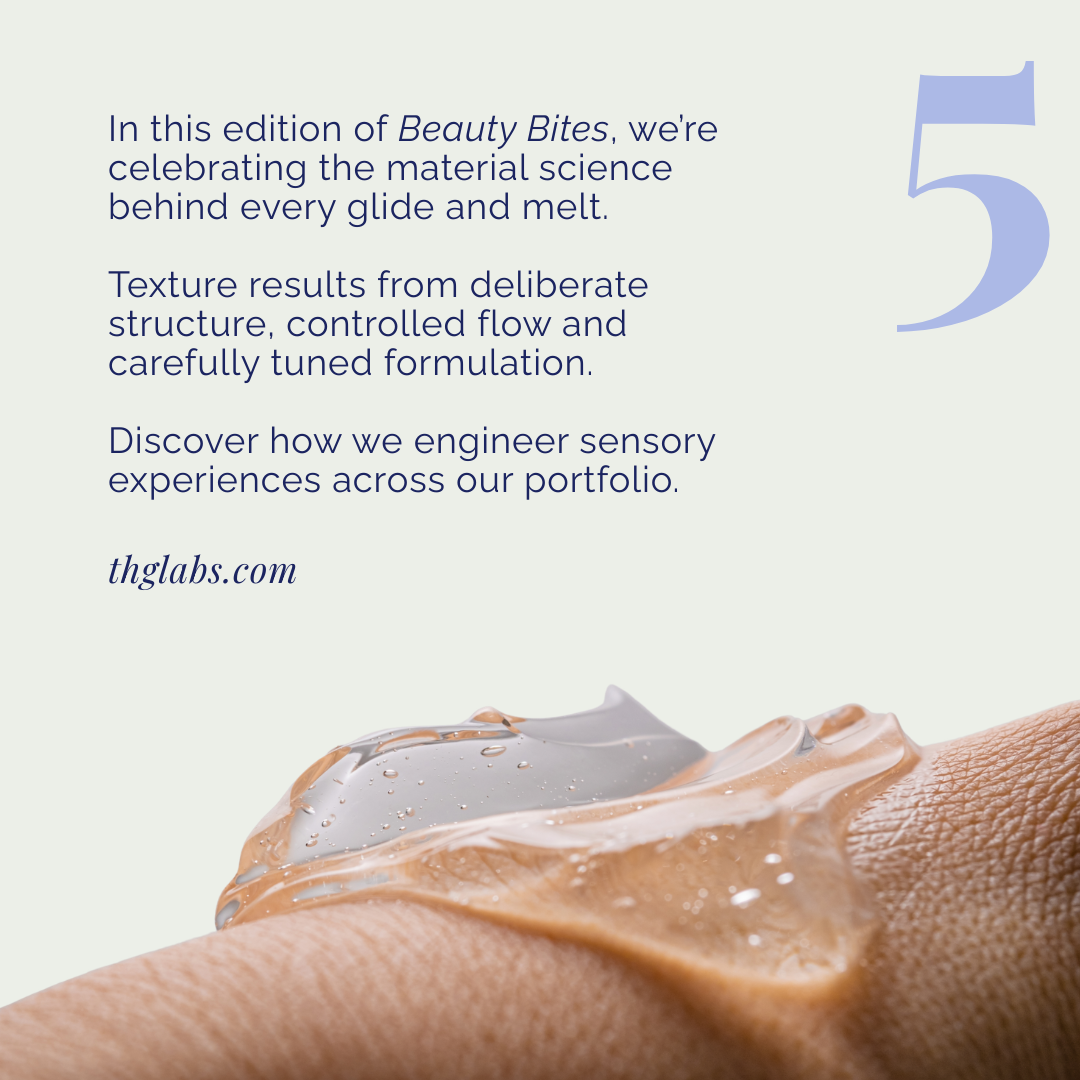
The Science of Sensory: Engineering Texture Through Material Science
Texture as a Performance System, Not a Finishing Touch
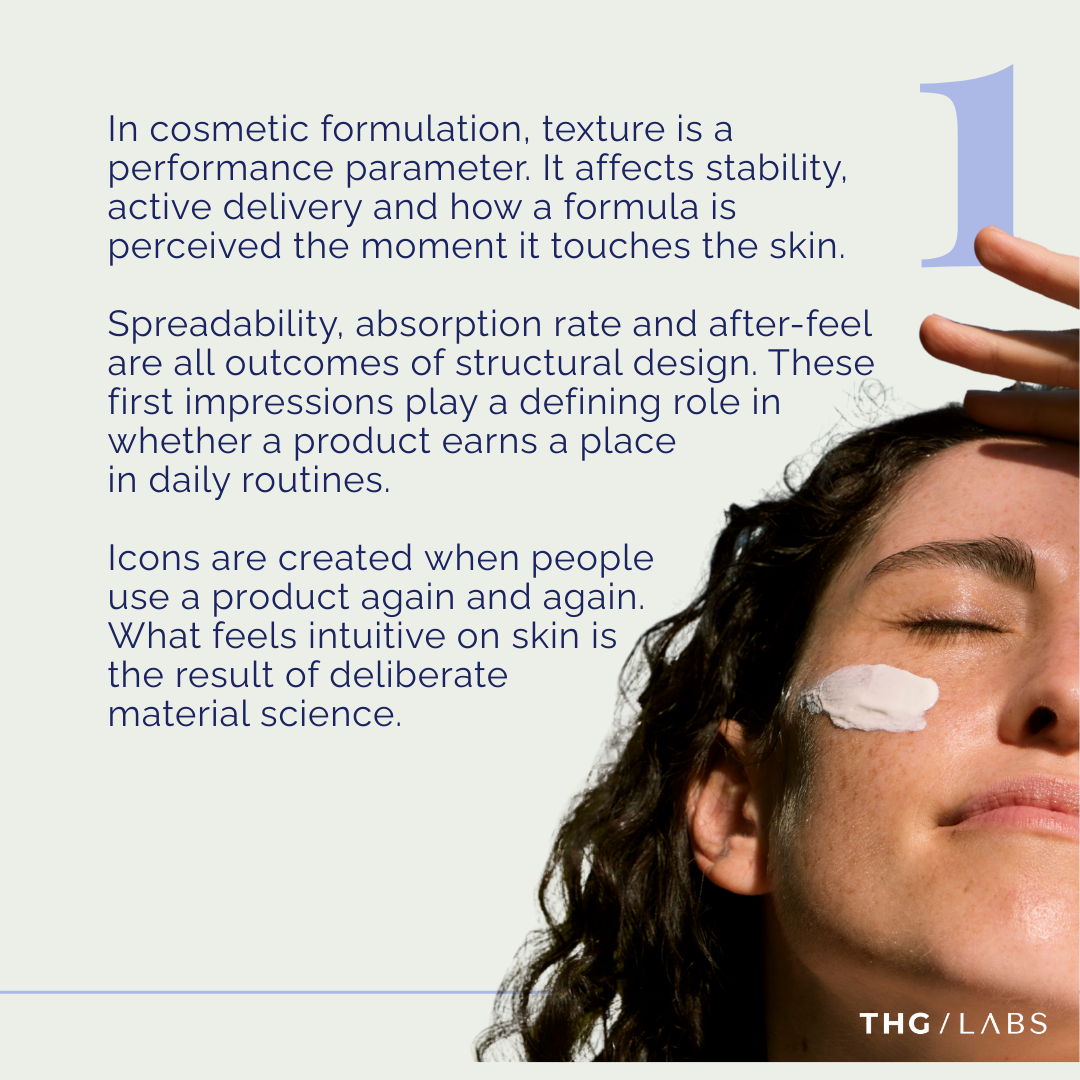
In cosmetic science, sensory is a central consideration. It is a functional output of formulation design that directly influences stability, active delivery, user experience and ultimately, user behaviour.
Texture governs how a product moves, transforms and settles on the skin. These interactions shape first impressions, but more importantly, they influence whether a product is used consistently enough to deliver results.
Spreadability, absorption and after-feel are all outcomes of structural design, not incidental properties . This reframes sensory from something aesthetic to something engineered.
Microstructure and Flow: How Formulas Translate on Skin
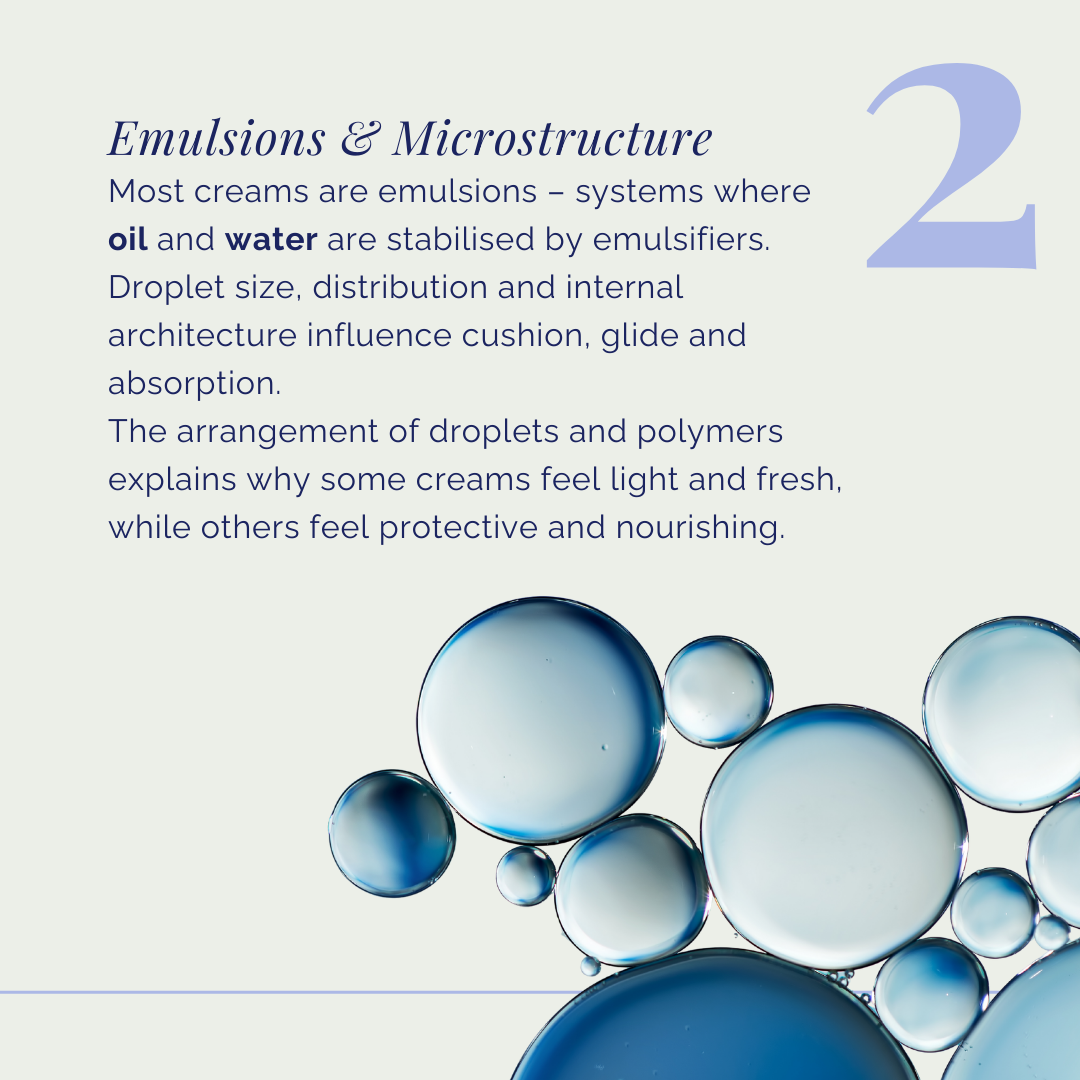
Behind every cream or serum is a defined internal architecture. Emulsion systems, droplet size distribution and polymer networks determine how a formulation behaves both in pack and during application.
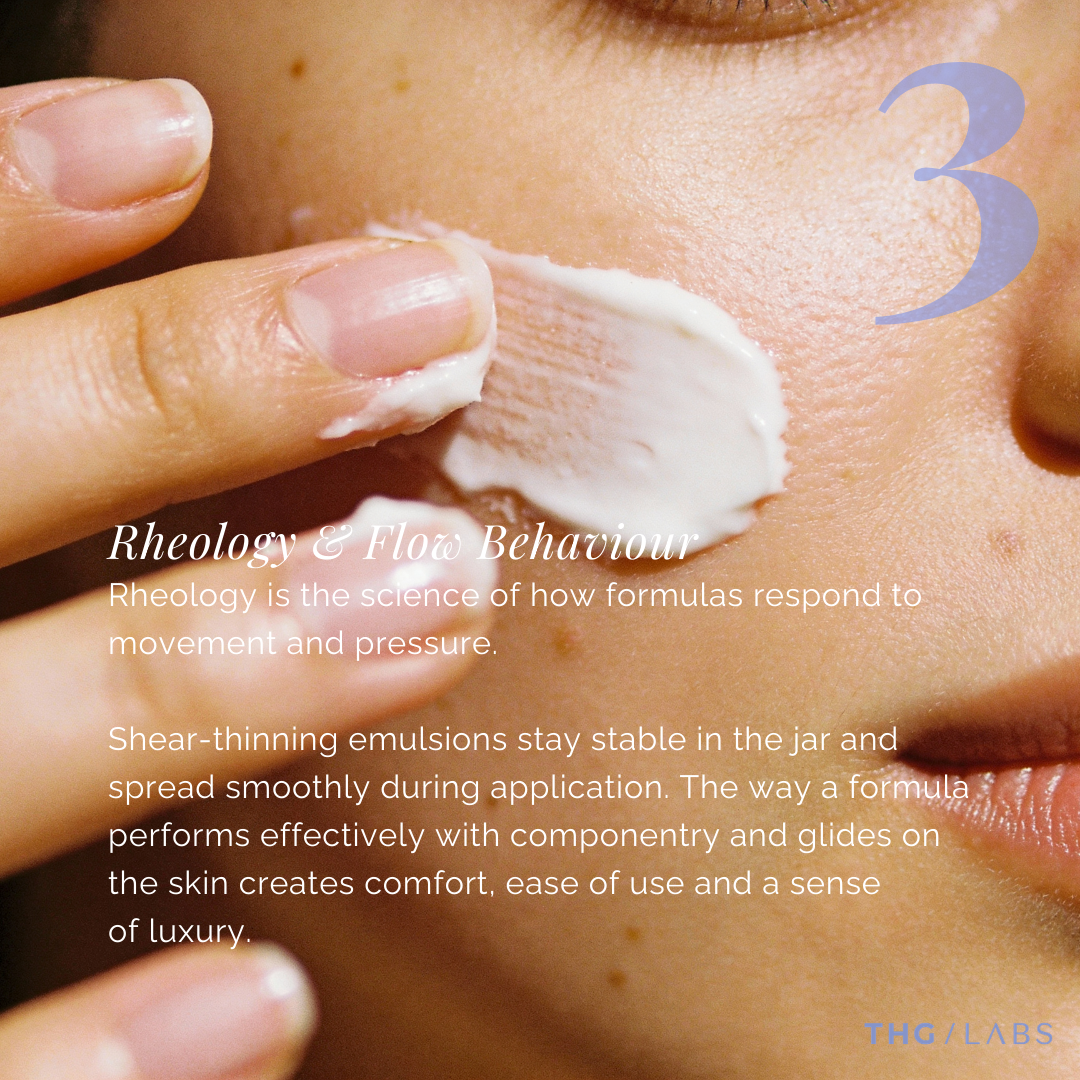
Microstructure influences how a product breaks under shear, how it spreads across the skin and how quickly it transitions from initial contact to absorption. Rheological behaviour further defines this experience, dictating viscosity, glide and recovery after movement.
Together, these factors create the difference between a formula that feels light and transient versus one that feels enveloping and protective. What the consumer perceives as “luxury” is often the result of precise control over these underlying systems.
Fine-Tuning Experience: The Role of Modifiers and System Design
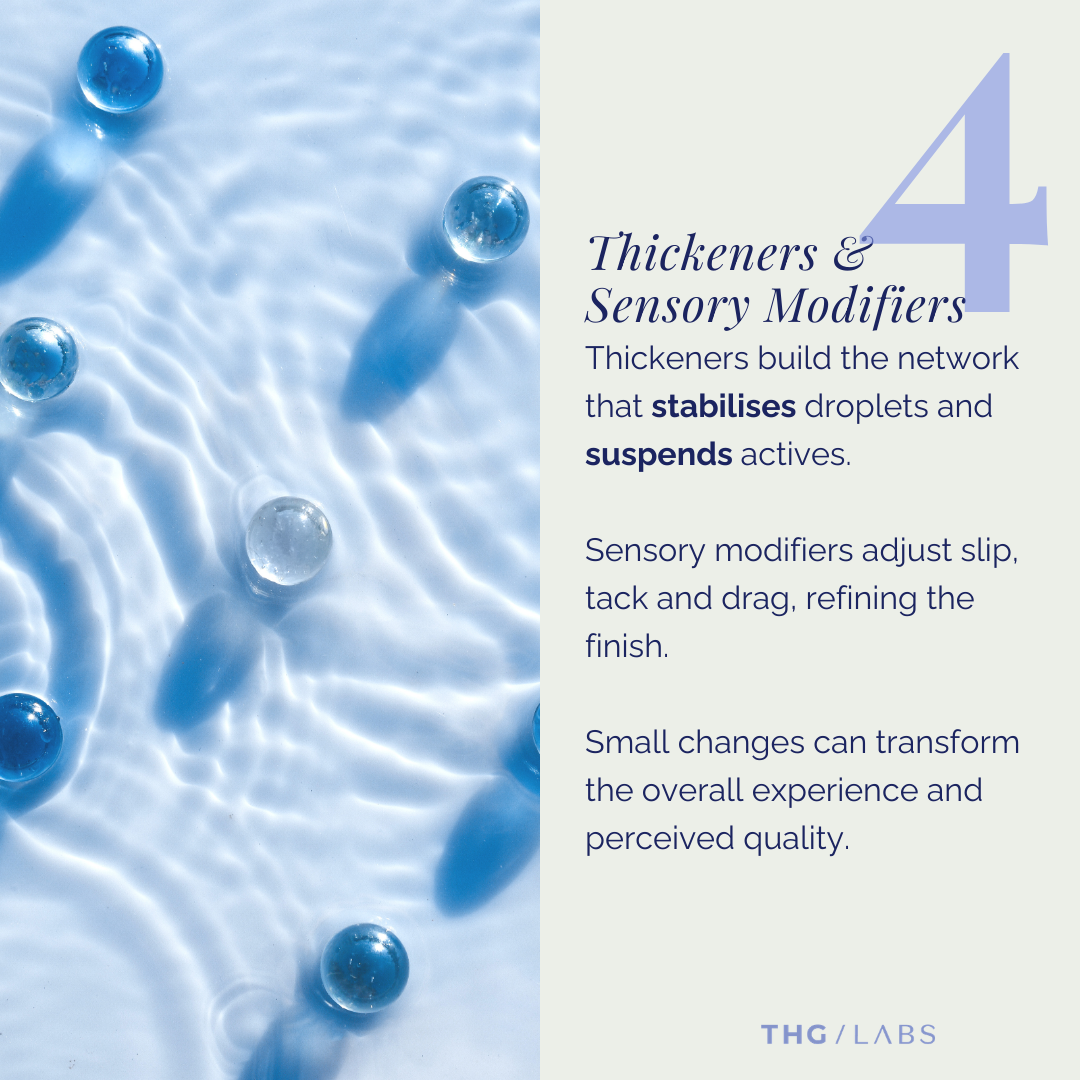
Small formulation adjustments can significantly shift perception. Thickeners, rheology modifiers and sensory agents work in combination to refine slip, reduce tack and optimise payoff.
As well as adjusting skin-feel, these components stabilise systems, suspend actives and ensure consistency over time. This is particularly critical when balancing performance with elegance, where formulations must deliver efficacy without compromising usability.
Texture is the result of deliberate structure, controlled flow and carefully tuned formulation . For brands, mastering this is key to creating products that are effective and instinctively satisfying to use.
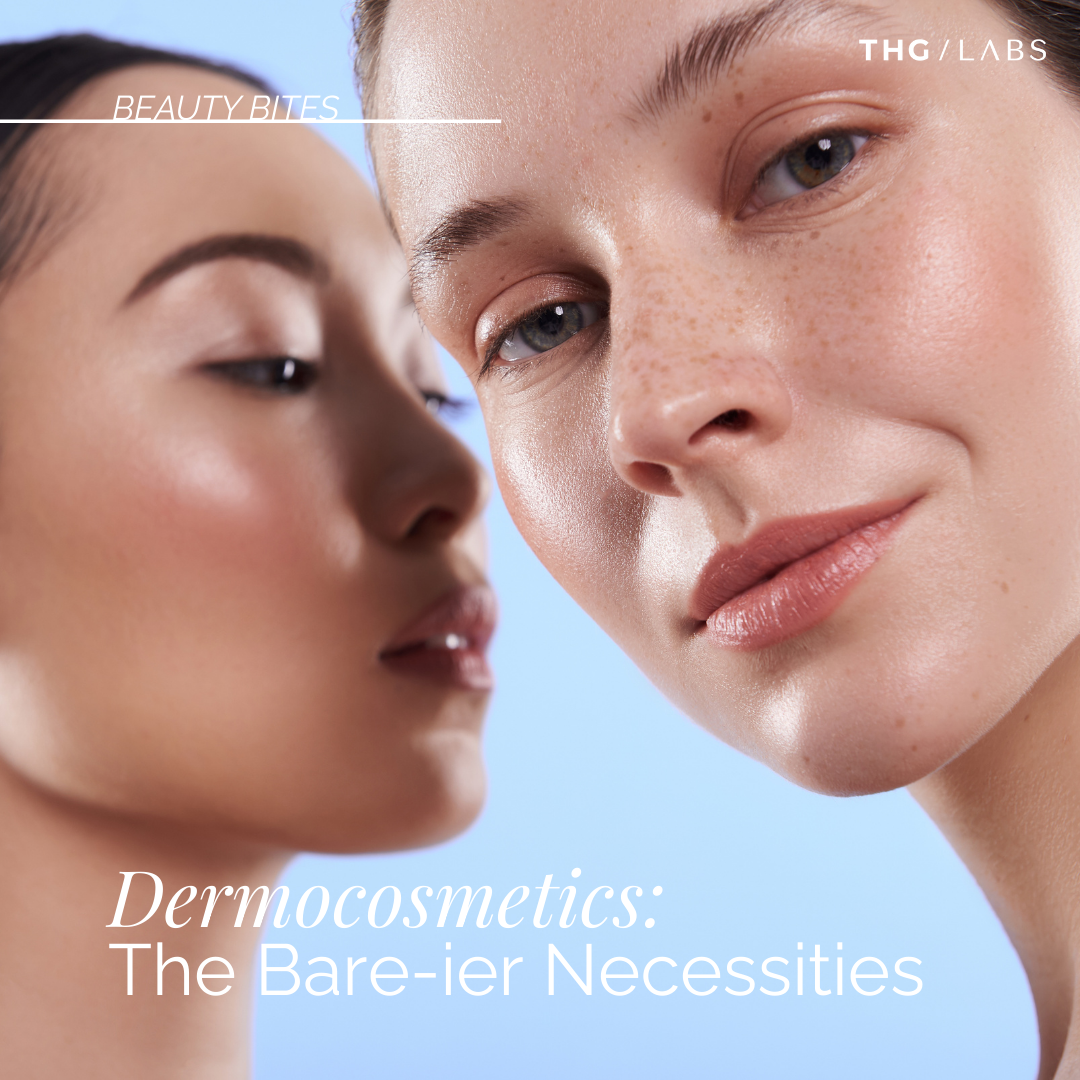
Dermocosmetics: Where Skin Function Shapes Formulation
Beyond Claims: A Systems-Based Approach to Skin Health
The evolution of the Dermocosmetics category has seen its focus shift from visible results alone to how formulations interact with skin over time.
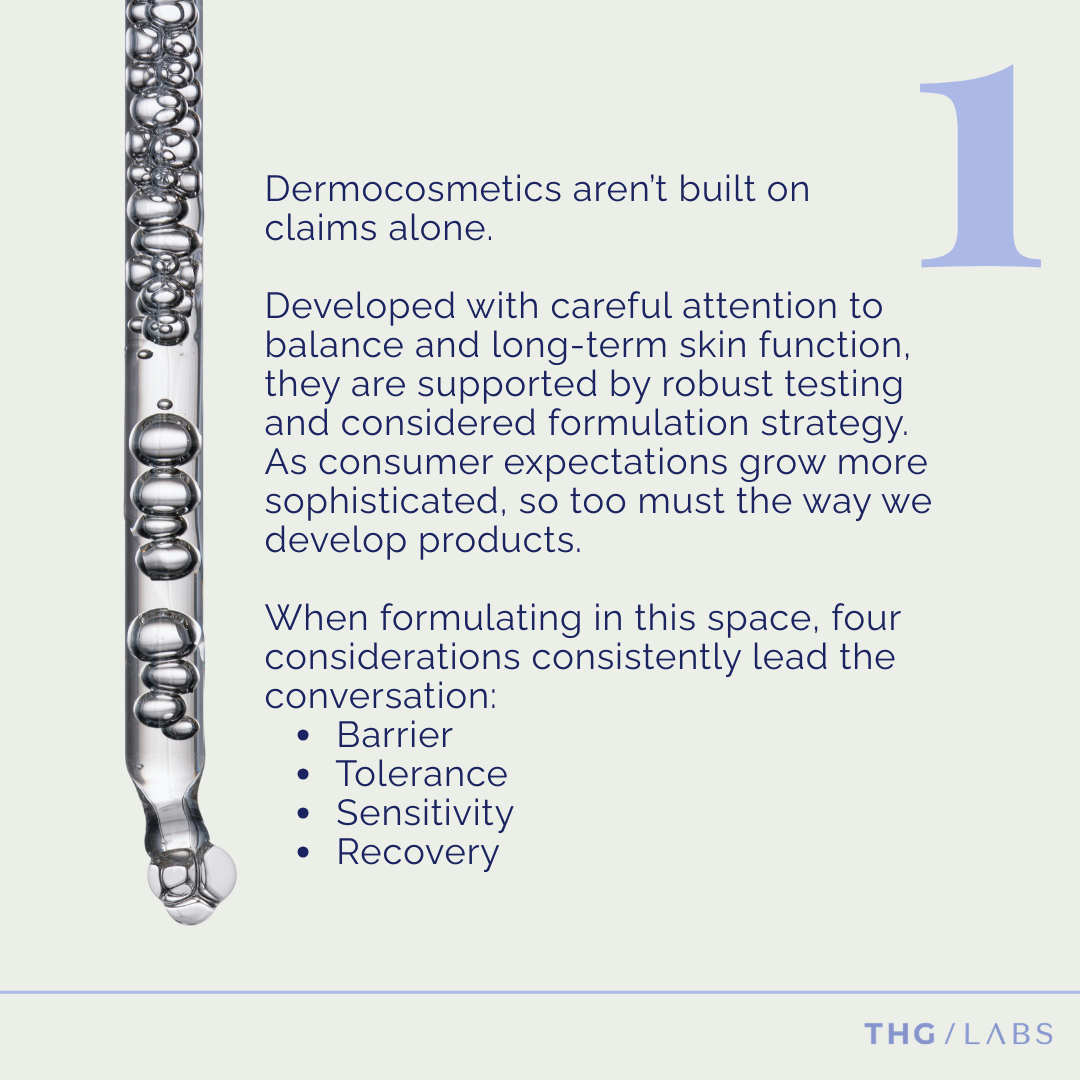
This requires a systems-based approach. Skin is dynamic, responding to environmental exposure, lifestyle and product use, so formulations must be designed to support long-term function in conjunction with delivering short-term effects. Concepts such as barrier integrity, tolerance and recovery move from secondary considerations to central design principles, shaping how products are built from the outset.
Designing for Tolerance, Compatibility and Real-World Use
Consumer expectations are growing in sophistication, particularly as skincare increasingly intersects with clinical and aesthetic treatments. Products are now expected to perform across a spectrum of skin states, including sensitivity and post-procedure vulnerability.
This places greater emphasis on formulation architecture as well as ingredient selection. Delivery systems, excipient choice, stability and pH alignment all contribute to how well a product is tolerated and how consistently it performs.
In this context, efficacy is judged according to compatibility as opposed to intensity - the ability of a formulation to deliver results without disrupting skin function is what ultimately determines its success.
From Performance to Longevity: Rethinking Innovation in Dermocosmetics
The definition of performance in dermocosmetics is being reframed. Rather than driving rapid or aggressive change, the focus is on creating conditions where skin can function optimally over time.
As innovators we’re measuring success through consistency, tolerability and long-term outcomes as well as immediate visible effects. For brands, this represents a strategic opportunity to build credibility in a category where consumers are increasingly informed and selective.
These principles underpin how our cosmetic scientists develop across skincare, suncare and haircare. By aligning scientific rigour with real-world use, we support brands in creating formulations that maintain skin integrity while delivering enduring performance.
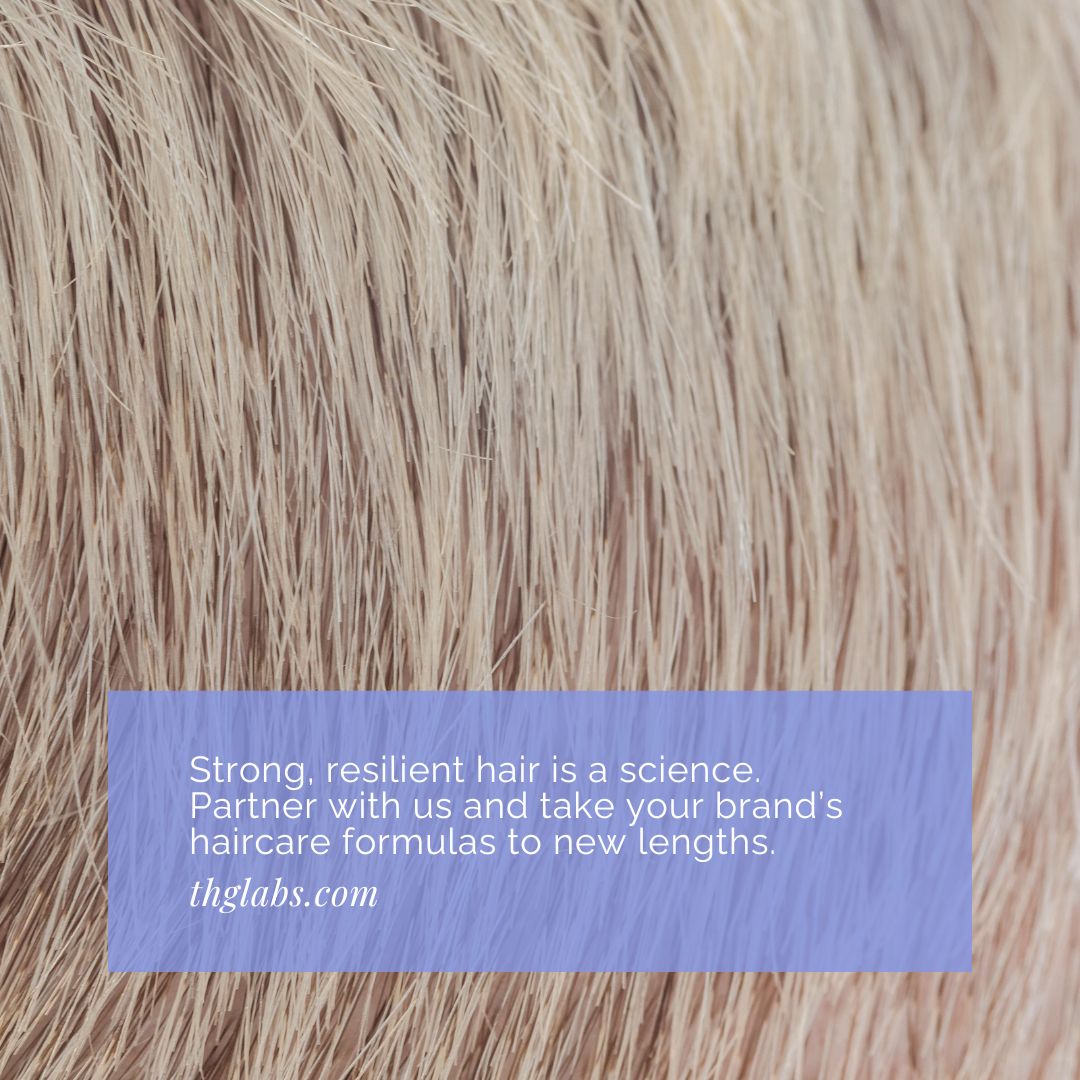
Haircare & Skincare-Level Science
As consumers become more informed about skin biology, ingredient function and long-term performance, these same expectations are migrating into other categories. Hair and scalp are increasingly viewed through the same biological lens as skin, with a growing demand for formulas that feel credible, preventative and rooted in science rather than surface-level effects.
For brands, this development presents both opportunity and complexity. Hair fibres are biologically distinct from skin, yet deeply influenced by scalp health, formulation architecture and cumulative environmental stress. We apply skincare-level rigour to the creation of our haircare formulations and this requires a deeper understanding of biology, material science and how formulas perform over time, not just at first use.
Hair Biology Demands a Different Formulation Mindset
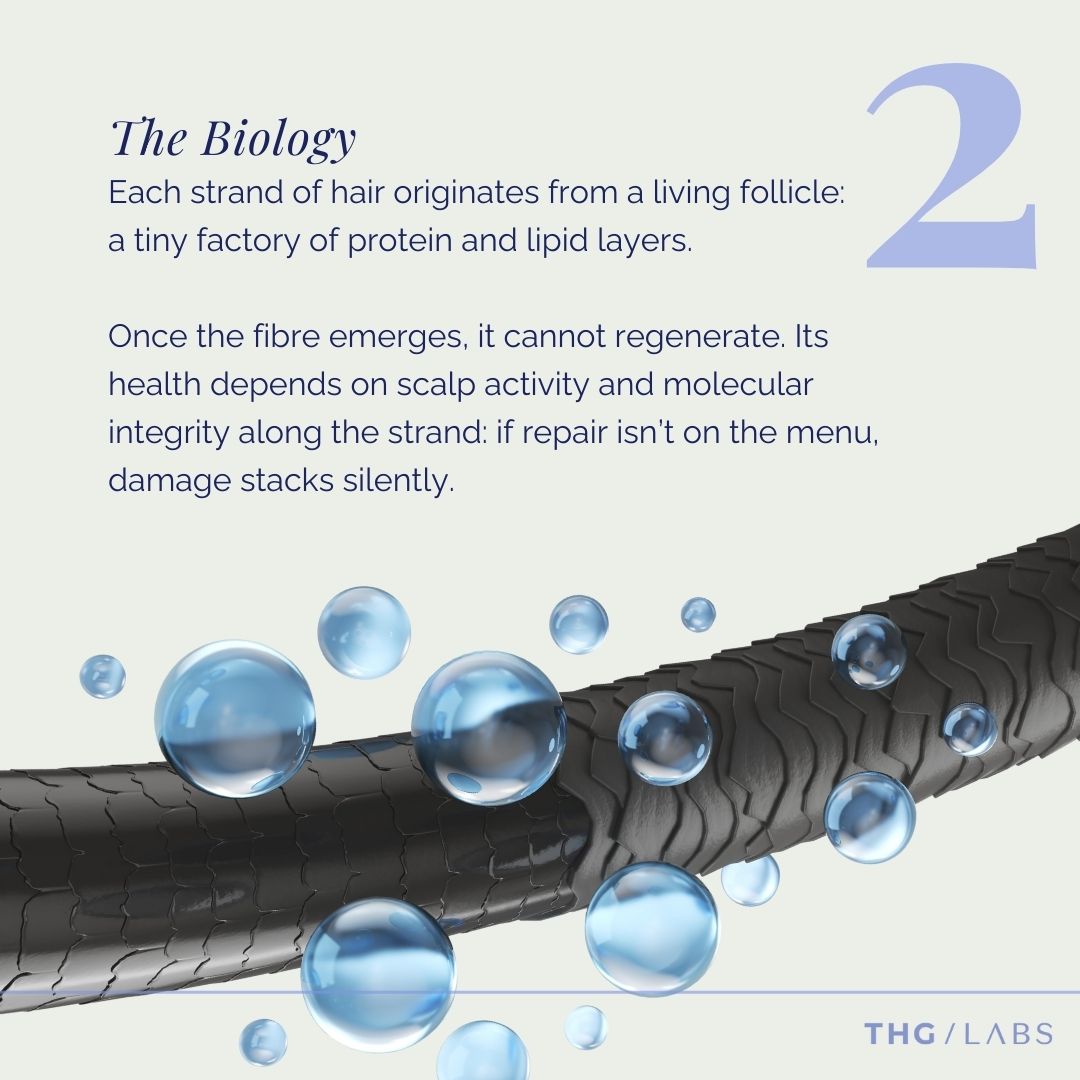
Unlike skin, hair fibres are not capable of regeneration once they emerge from the follicle. Their condition reflects everything they are exposed to across their lifespan, from UV and heat to chemical processing and mechanical stress. This makes early intervention and structural protection critical.
Science-led haircare starts with respecting this biology. Ingredient selection, molecular size, deposition behaviour and compatibility with the hair’s protein and lipid layers all influence how well a formula can support fibre integrity. Claims centred on repair or strengthening need to be underpinned by how the formula interacts with hair at a structural level, not just how it looks or feels immediately after use.
Going Deeper than Surface Performance
Historically, much of haircare innovation has focused on sensorial benefits such as shine, smoothness and slip. While these cues remain important, they do not address underlying fibre fatigue, protein loss or cumulative damage.
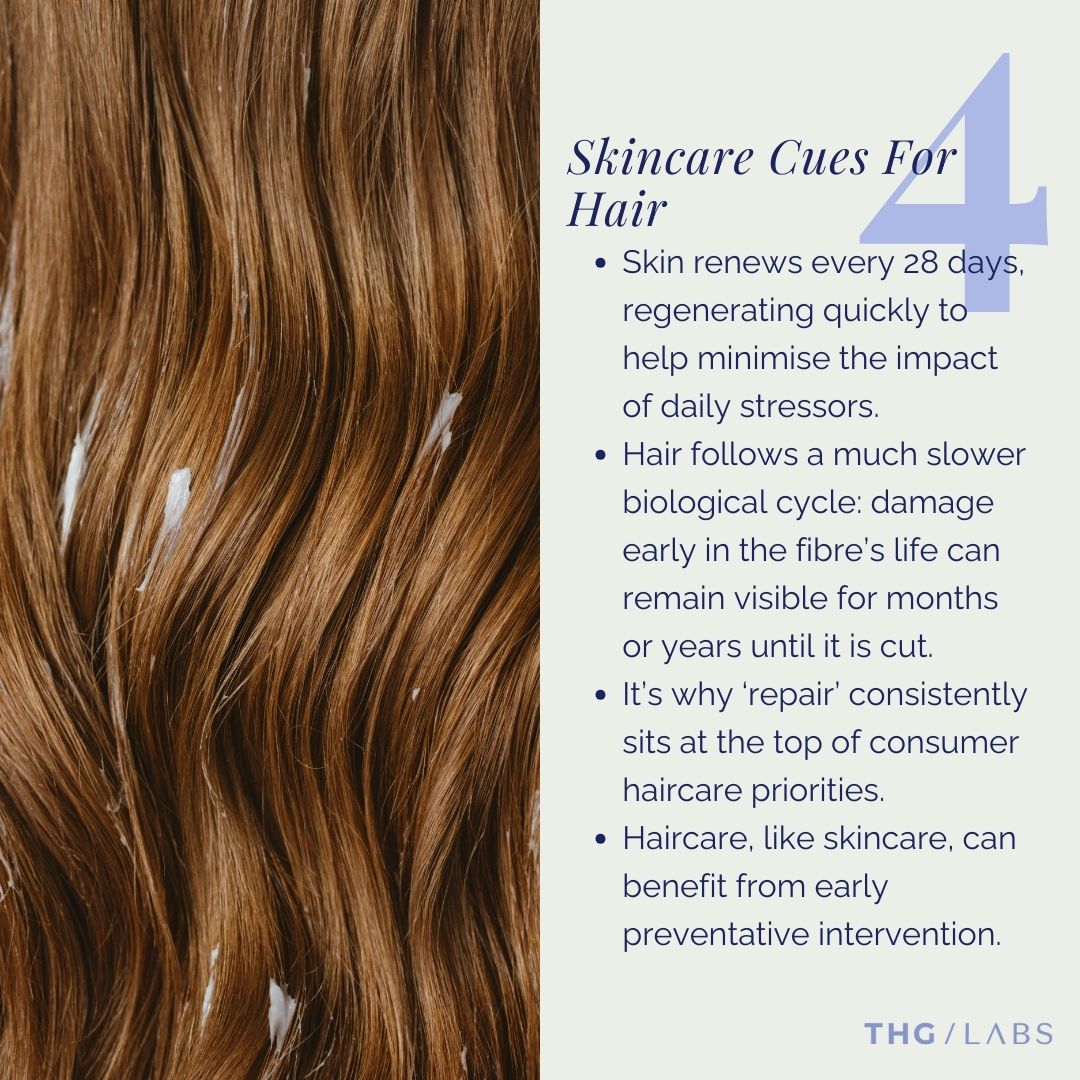
Haircare is aligned with skincare in terms of requiring a longer-term view. This includes preventative approaches, targeted actives, barrier-supporting ingredients and formulations designed to work progressively with regular use. For brands, this shift requires tighter alignment between formulation design, testing protocols and claims strategy to ensure performance is both measurable and credible.
Dermo-Scalp Care: When the Scalp Is Treated as Skin
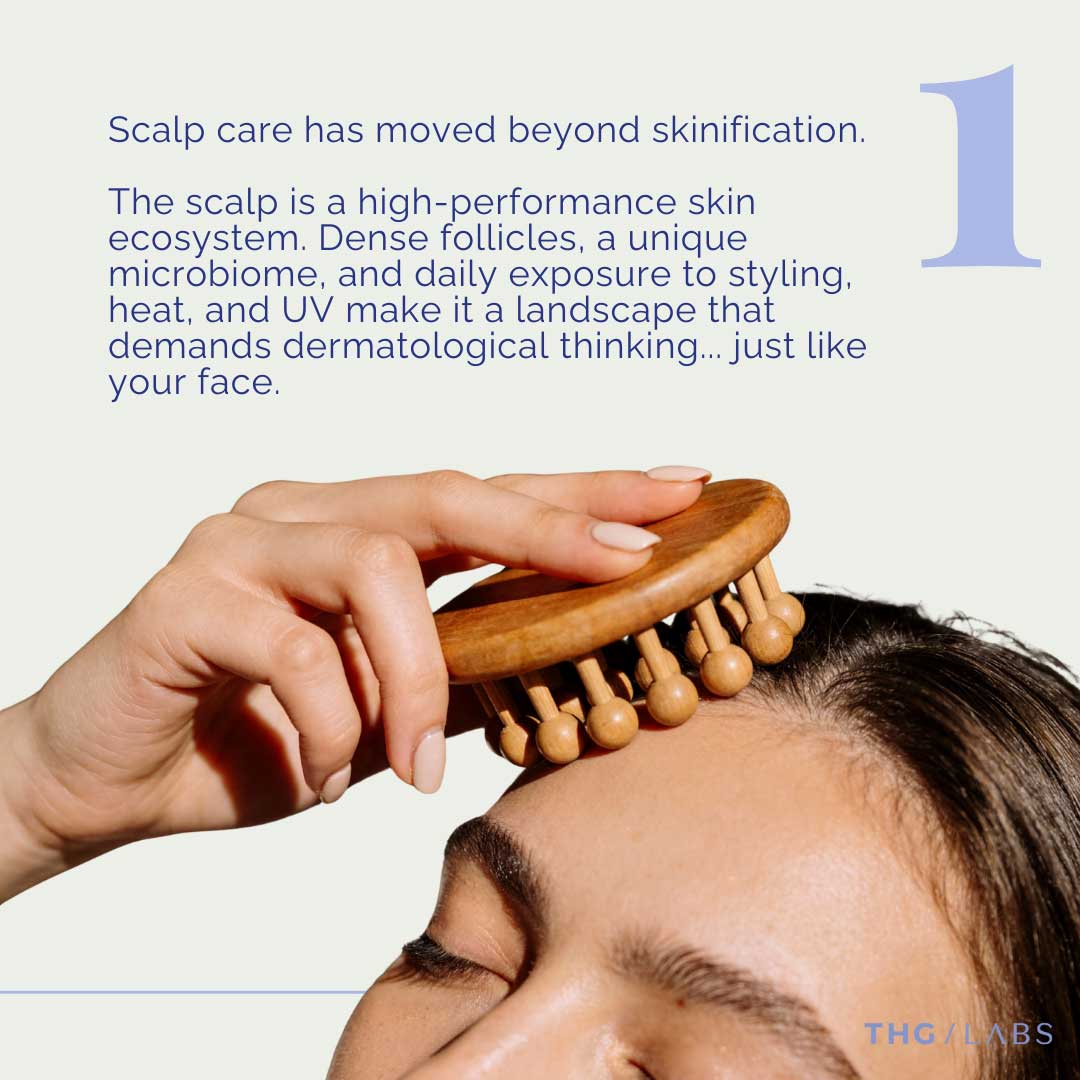
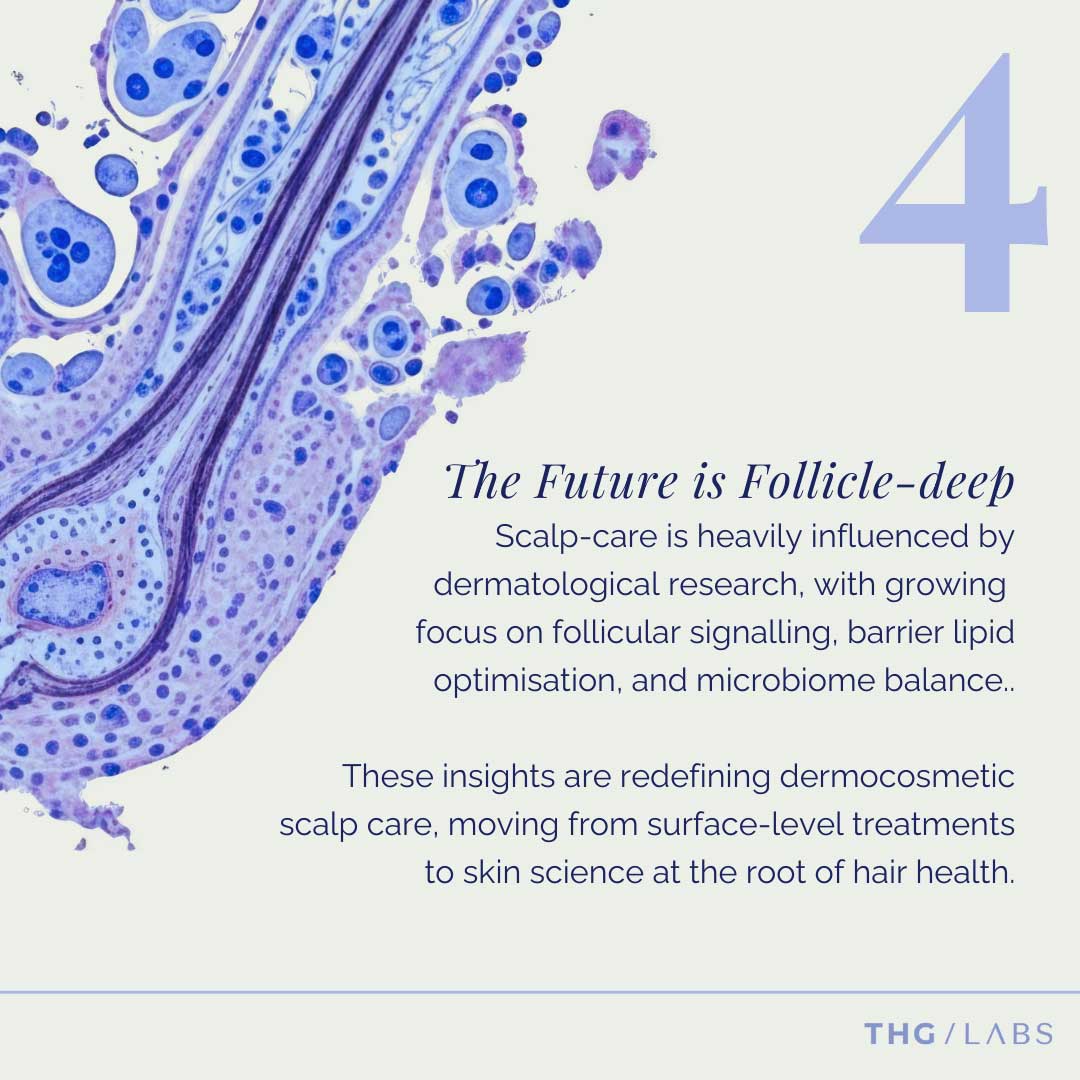
Scalp care is rapidly evolving beyond cosmetic cleansing into a dermocosmetic discipline grounded in skin biology. As brands respond to rising expectations around scalp comfort, long-term hair quality and dermatological credibility, the scalp is increasingly recognised as a complex skin ecosystem in its own right.
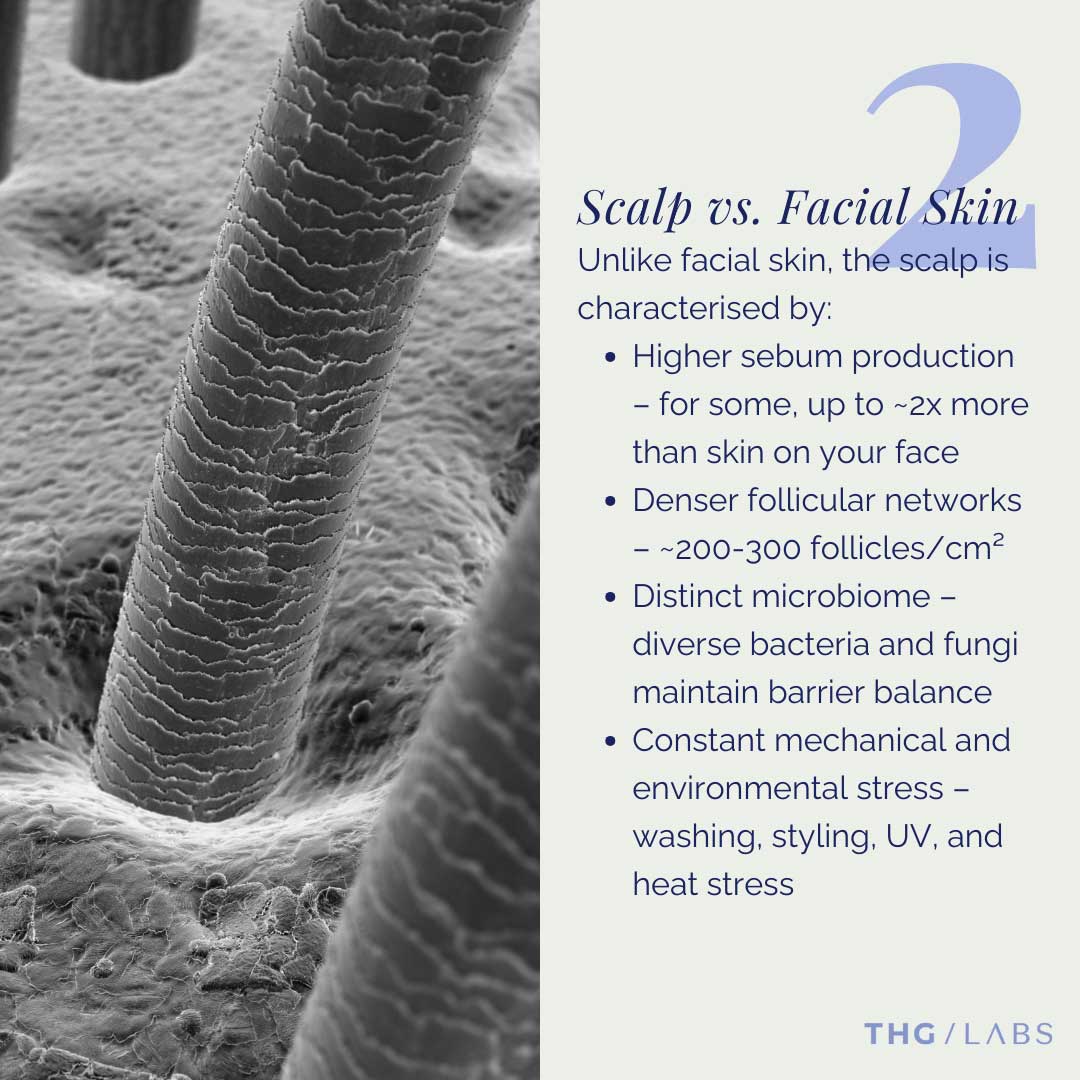
With dense follicular networks, elevated sebum activity and constant exposure to environmental and mechanical stress, the scalp presents unique formulation and manufacturing challenges. Addressing these effectively requires a shift away from a surface-led haircare approach towards science-led product development informed by dermatology and skin physiology.
Understanding the Scalp as a High-Performance Skin Environment
The scalp combines high follicle density with an active microbiome and frequent physical disruption from washing, styling and heat. These factors influence barrier integrity, inflammatory responses and overall scalp balance, all of which play a role in hair quality over time.
Dermocosmetic scalp formulations must therefore consider lipid architecture, microbiome balance and compatibility with sensitive skin pathways. This level of complexity demands formulation strategies that balance efficacy with tolerability, supported by appropriate testing and manufacturing controls.
How Dermocosmetic Thinking Is Shaping Scalp Formulation
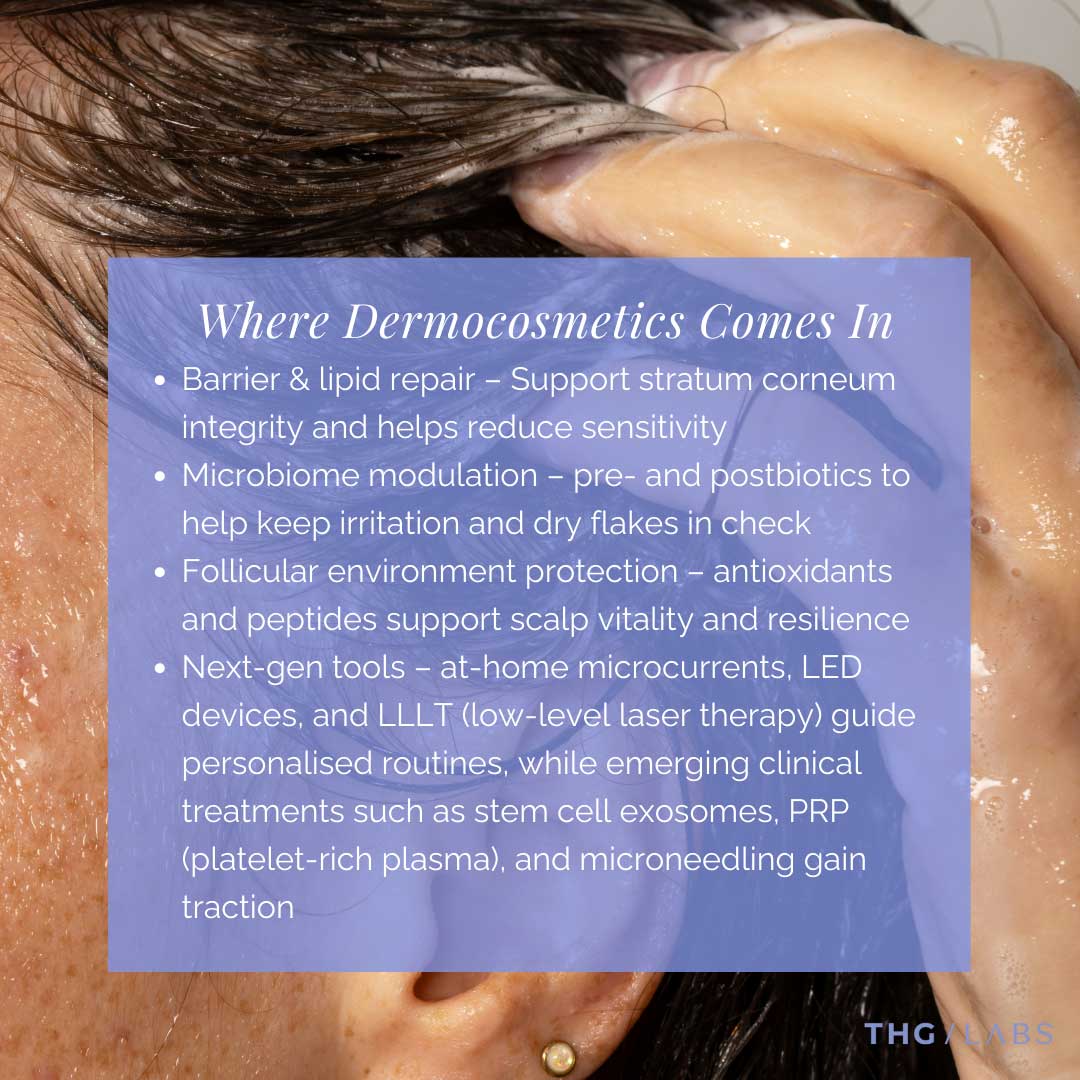
Dermocosmetic scalp care draws heavily from skincare-inspired development principles, including barrier-supportive ingredients, targeted actives and preventative approaches designed for consistent use. Rather than masking concerns, these formulations aim to support the scalp environment that underpins healthy hair growth.
From microbiome-respectful systems to antioxidant protection and follicular-supportive ingredients, product performance increasingly depends on how formulas interact with the scalp at a biological level. This requires close alignment between R&D, ingredient selection and regulatory compliance and claims strategy.
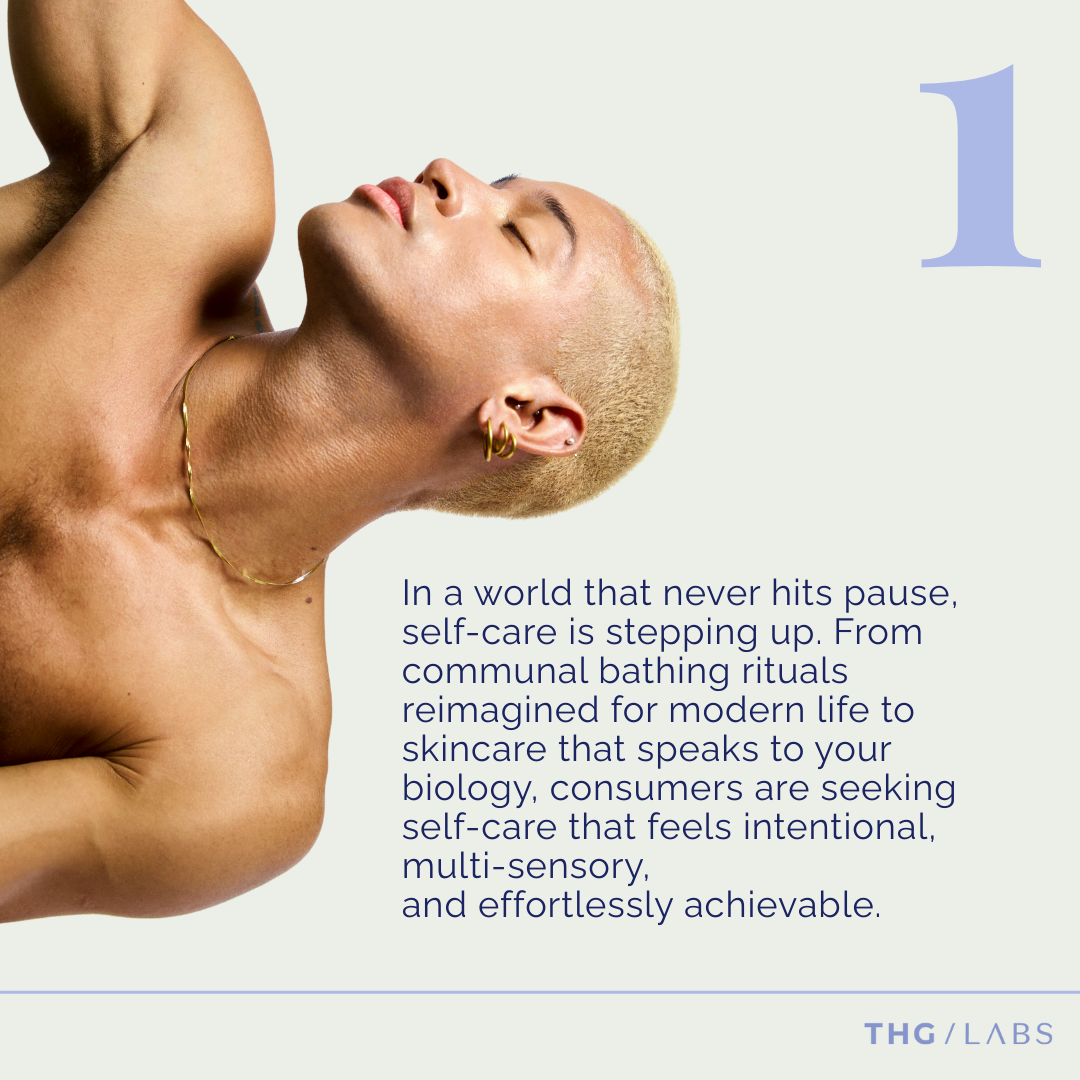

The Self-Care Shift
The Move from Maintenance to Meaningful Ritual
Self-care is now more intentional and emotionally resonant than ever before. Consumers reframe everyday routines as moments of pause, restoration and self-connection, borrowing cues from mindfulness, movement and communal wellness traditions. This shift reflects a broader desire for rituals that feel grounding rather than prescriptive, where beauty supports emotional balance as much as physical care.
Sensory-Led Wellness
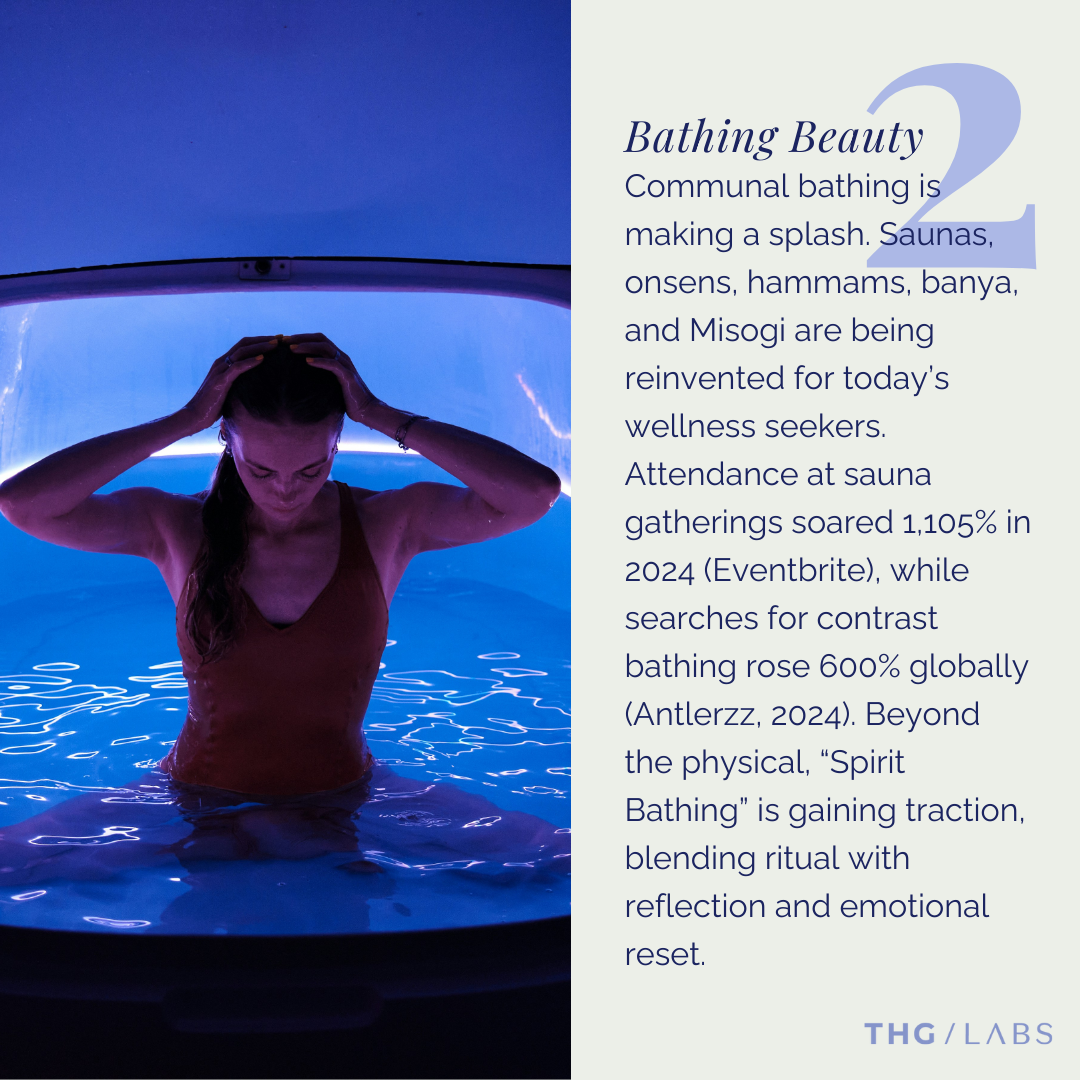
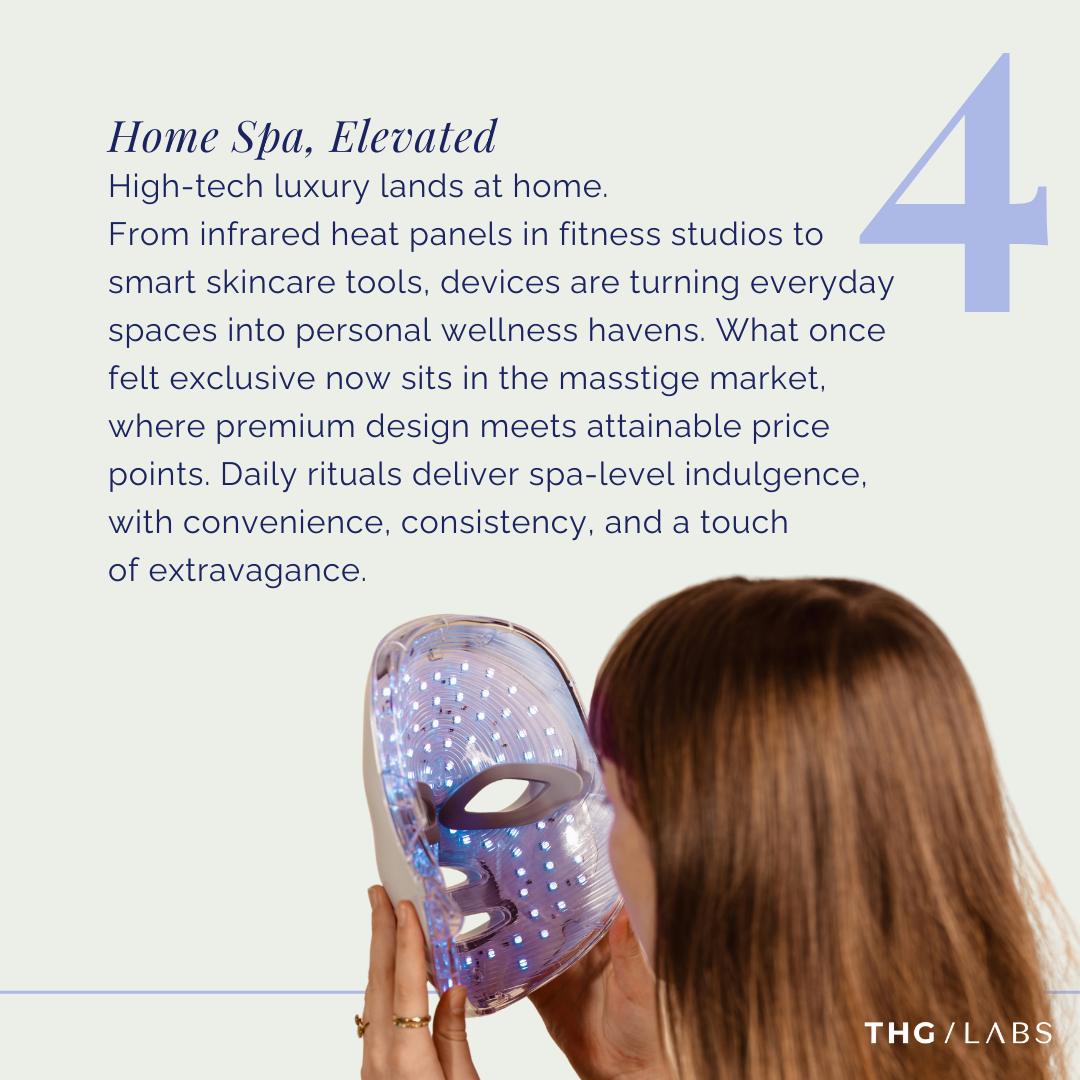
Multi-sensory experiences have become central to modern self-care. Texture, temperature, scent and sound all play a role in shaping how products are perceived and adopted into daily life. Practices such as contrast bathing, meditative skincare, and spa-inspired at-home treatments demonstrate how sensorial design can elevate routines so they become immersive experiences that feel both indulgent and achievable.
Personalisation, Longevity and Simplicity
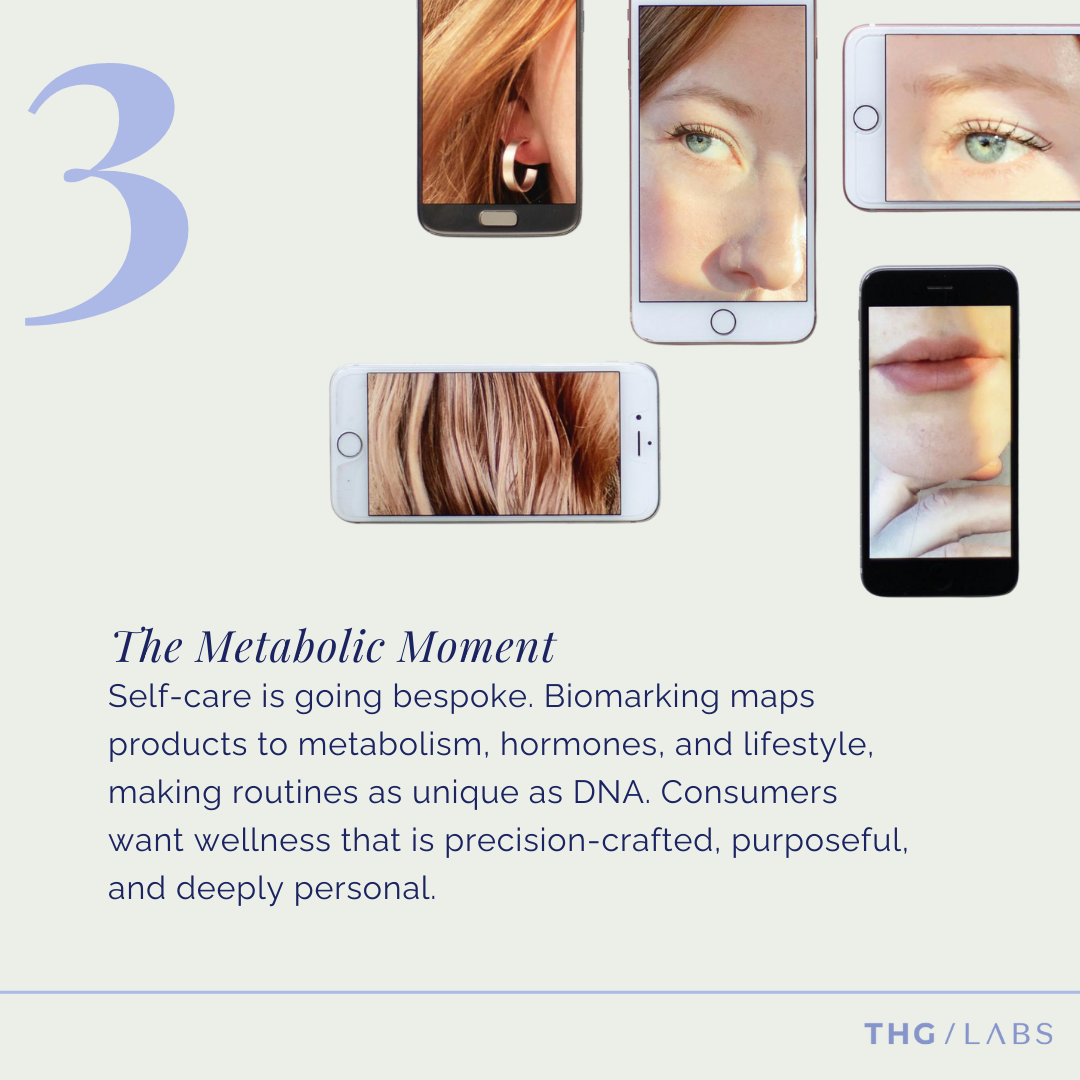
As wellness becomes more personalised, self-care routines are moving away from excess and towards relevance. Consumers are increasingly drawn to approaches that align with their biology, lifestyle and long-term wellbeing goals, favouring simplicity over complexity. This mindset prioritises longevity, intentional edits and routines that adapt over time, reinforcing the idea that effective self-care should feel supportive and deeply personal.
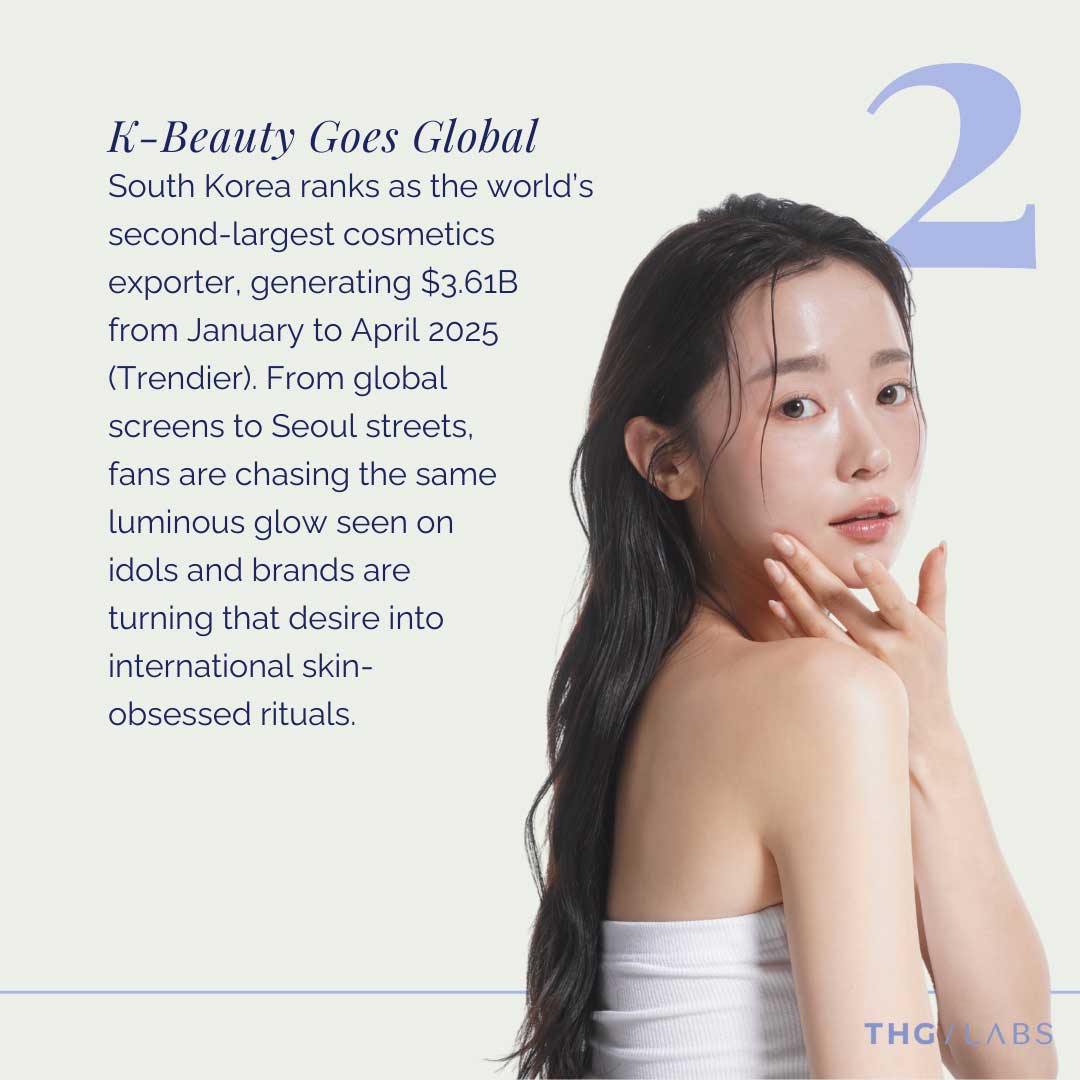
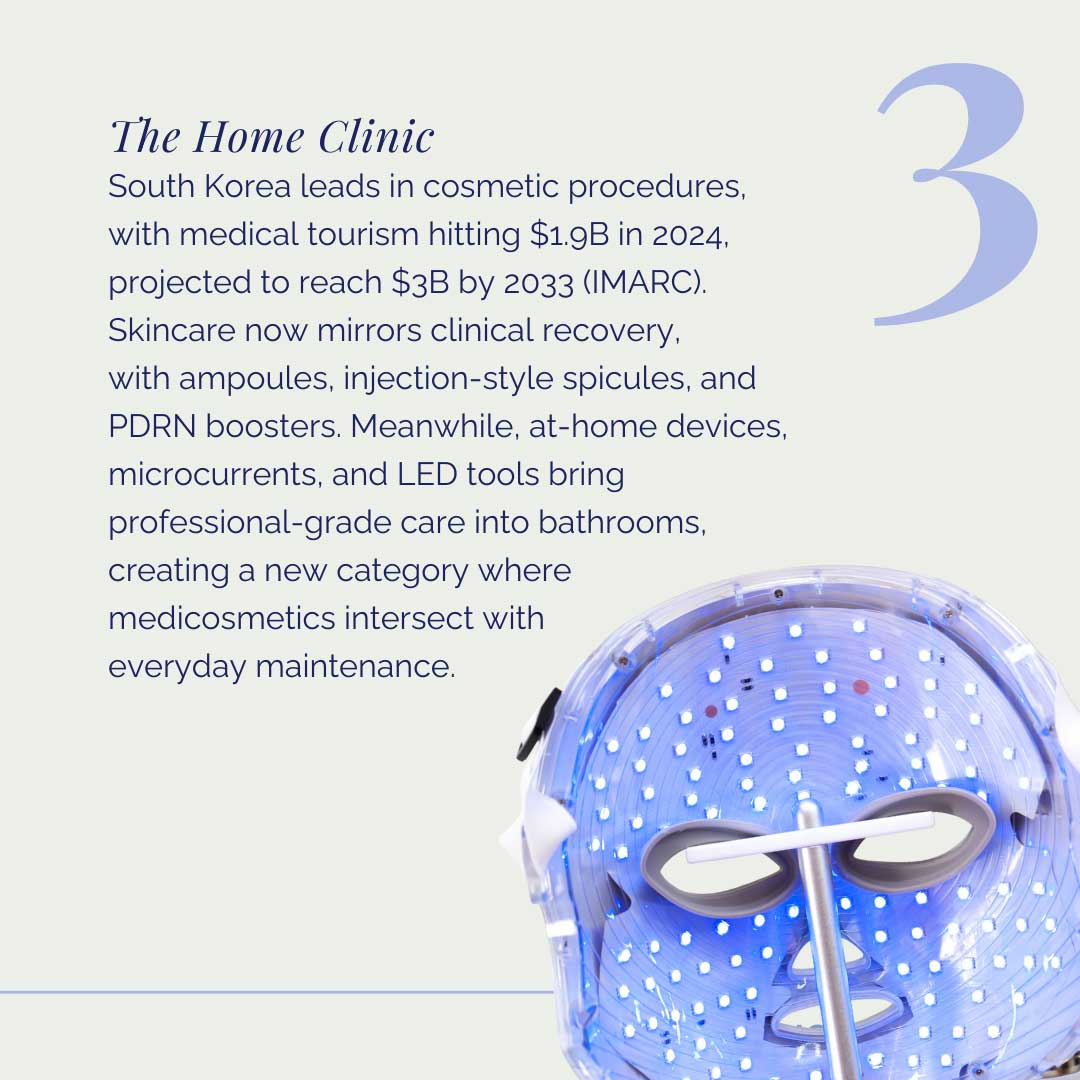
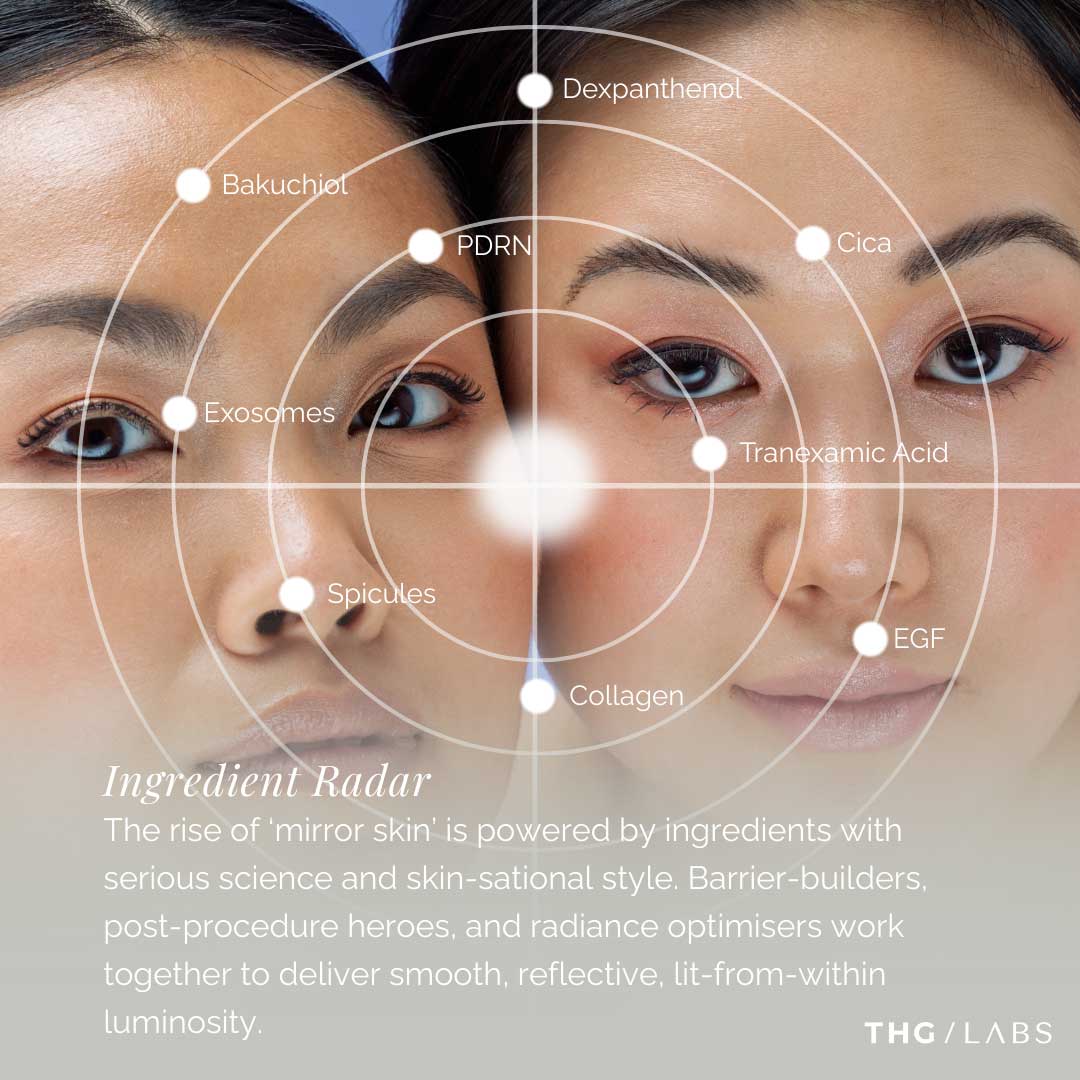
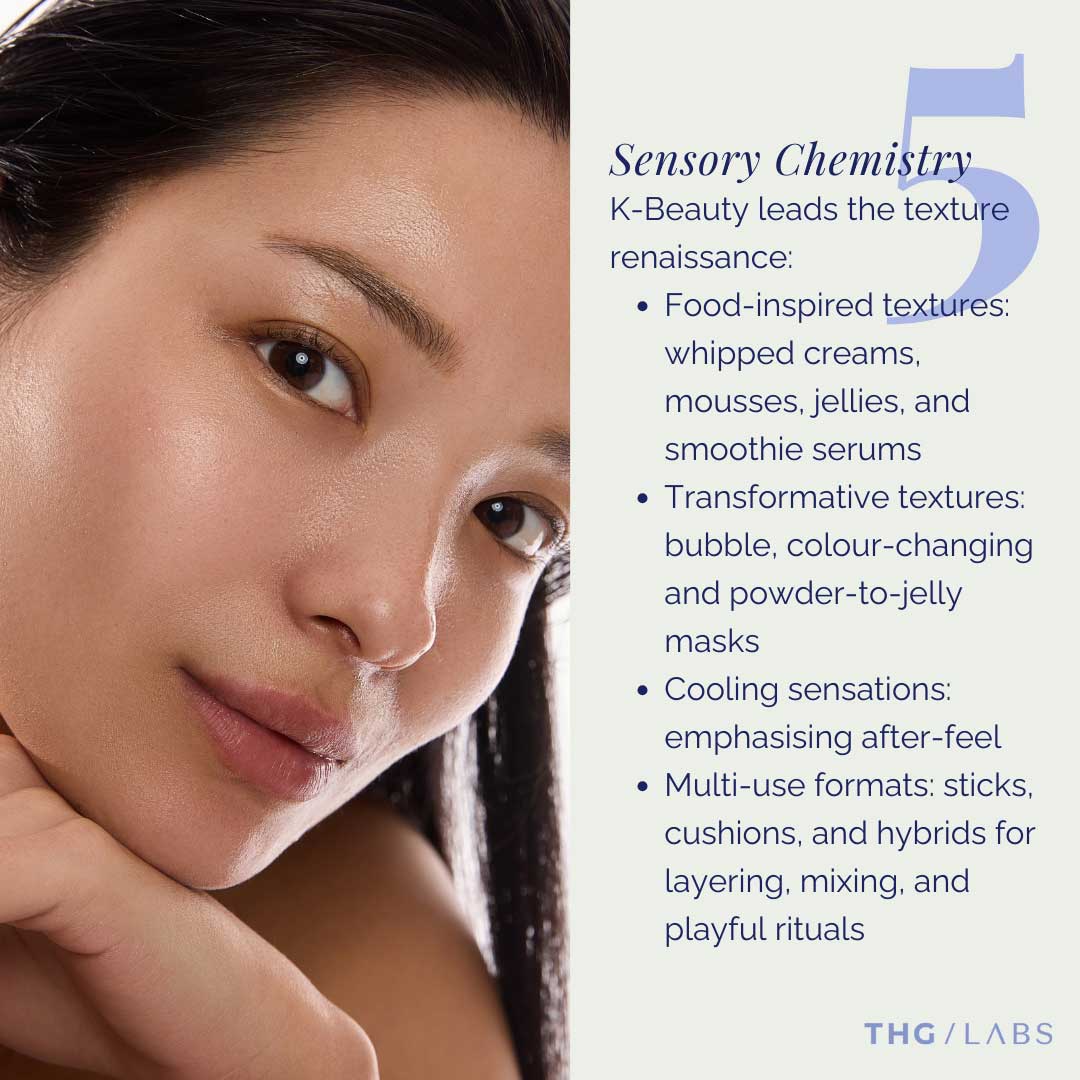
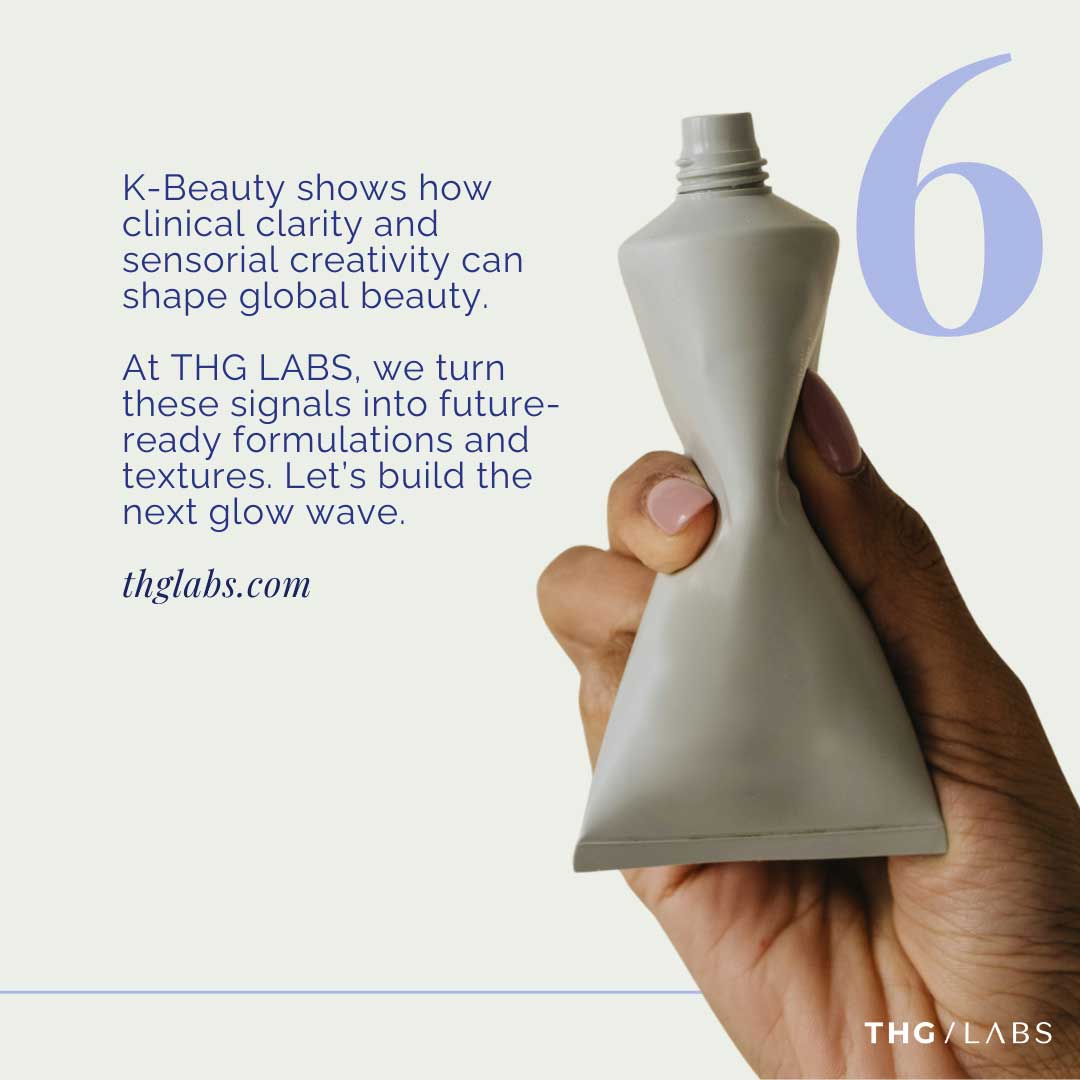
K-Beauty Glow Goals
Our Skin Is a Signal
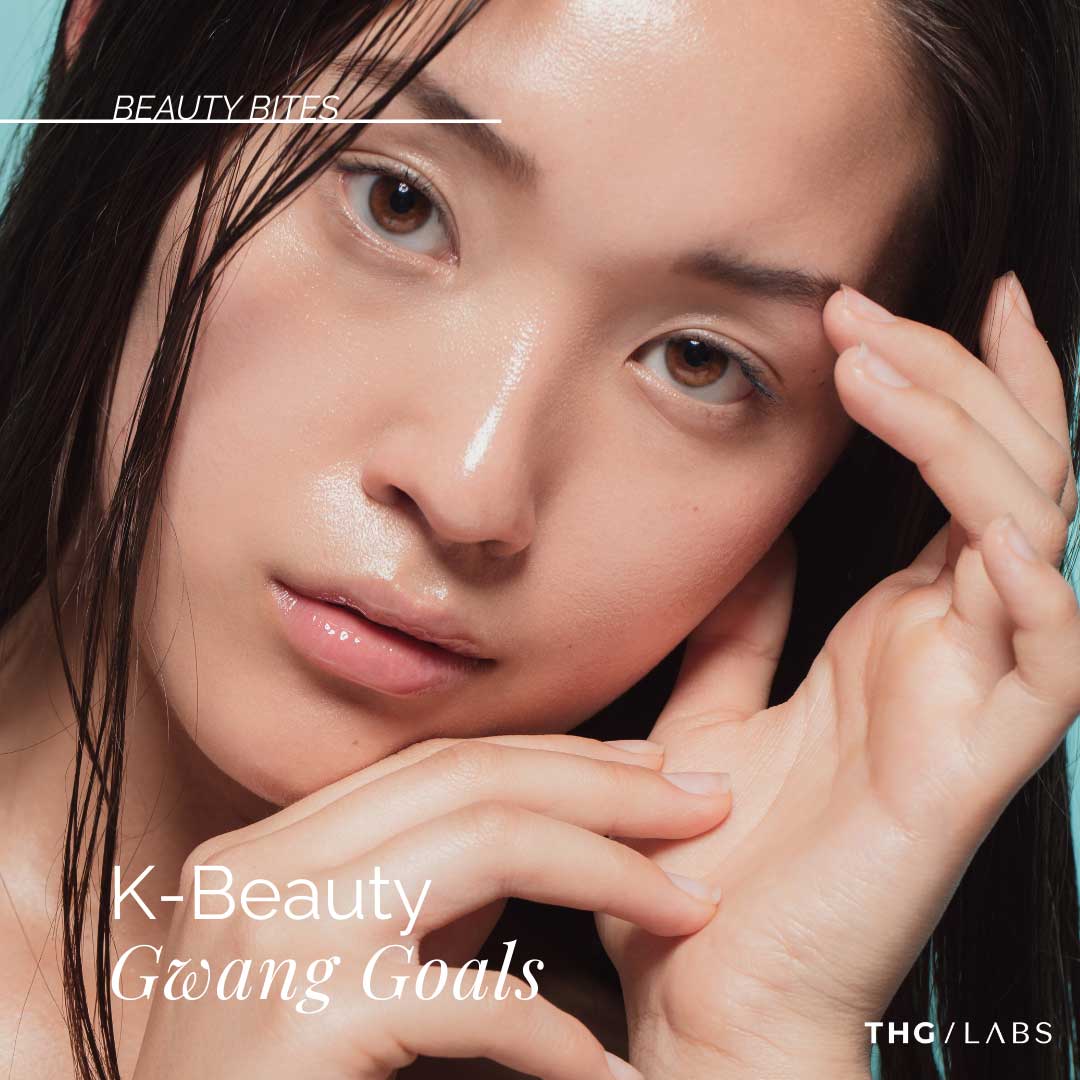
K-Beauty reframes skin as a reflection of balance, consistency and care rather than a surface to perfect. The pursuit of “mirror skin” prioritises clarity, hydration and luminosity that appear effortless but are built through disciplined routines. Rather than being about being a surface to “decorate”, glow becomes a marker of skin health influencing how efficacy and performance are perceived globally.
Ritual, Texture and Sensory Precision
Texture is central to K-Beauty’s appeal. Lightweight essences, transforming gels and cushion formats make daily application a ritual, reinforcing the link between sensorial experience and product adherence. These tactile moments invite layering, experimentation and personalisation without overwhelming the routine.
Clinical Thinking, Consumer-First Delivery
Beneath its playful exterior, K-Beauty is deeply clinical. Ingredient innovation, post-procedure logic and at-home device culture reflect a market comfortable with advanced science delivered intuitively. This balance continues to shape global expectations around skincare education, performance and long-term skin maintenance.

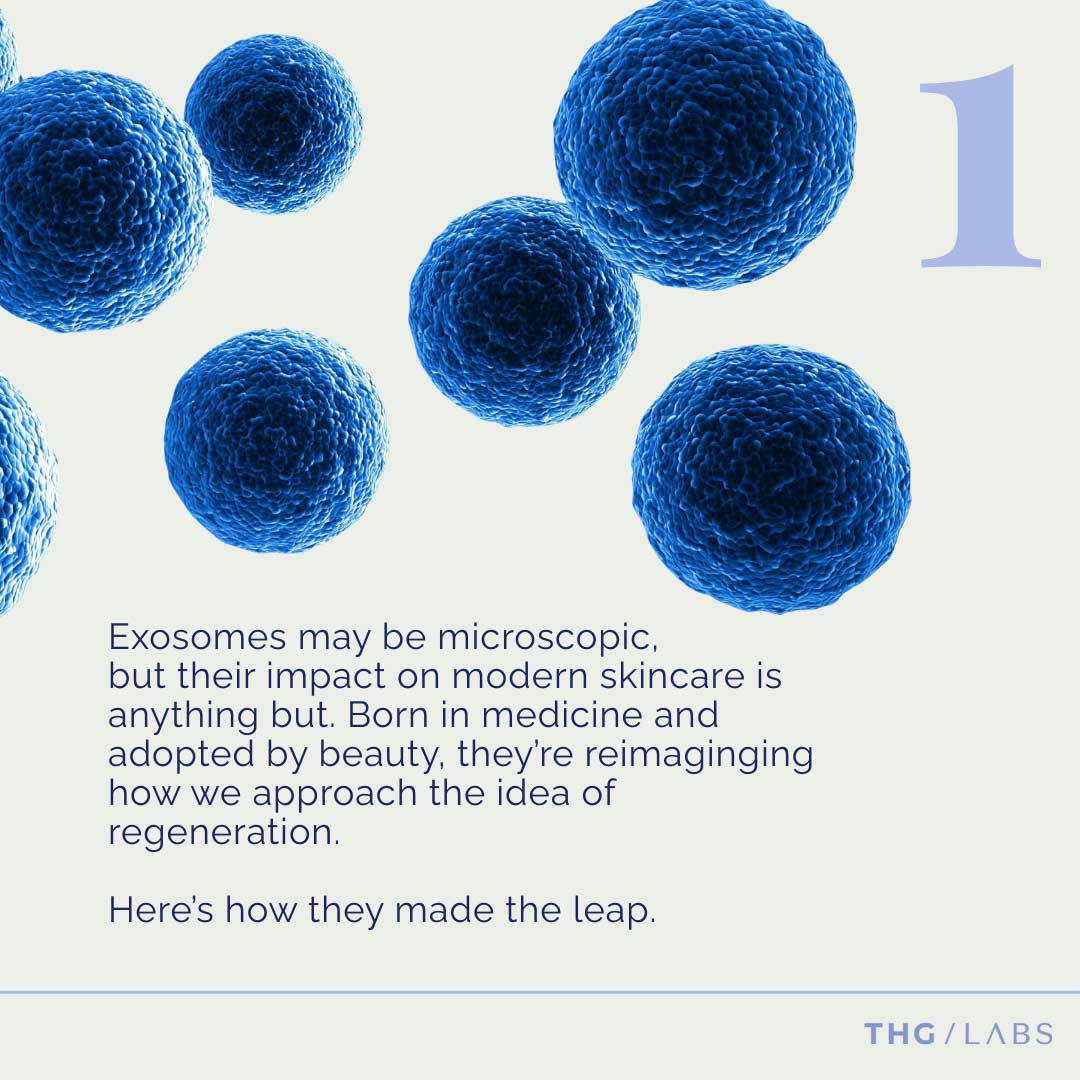
The Evolution of Exosomes
Medical Science Becomes Beauty Intelligence
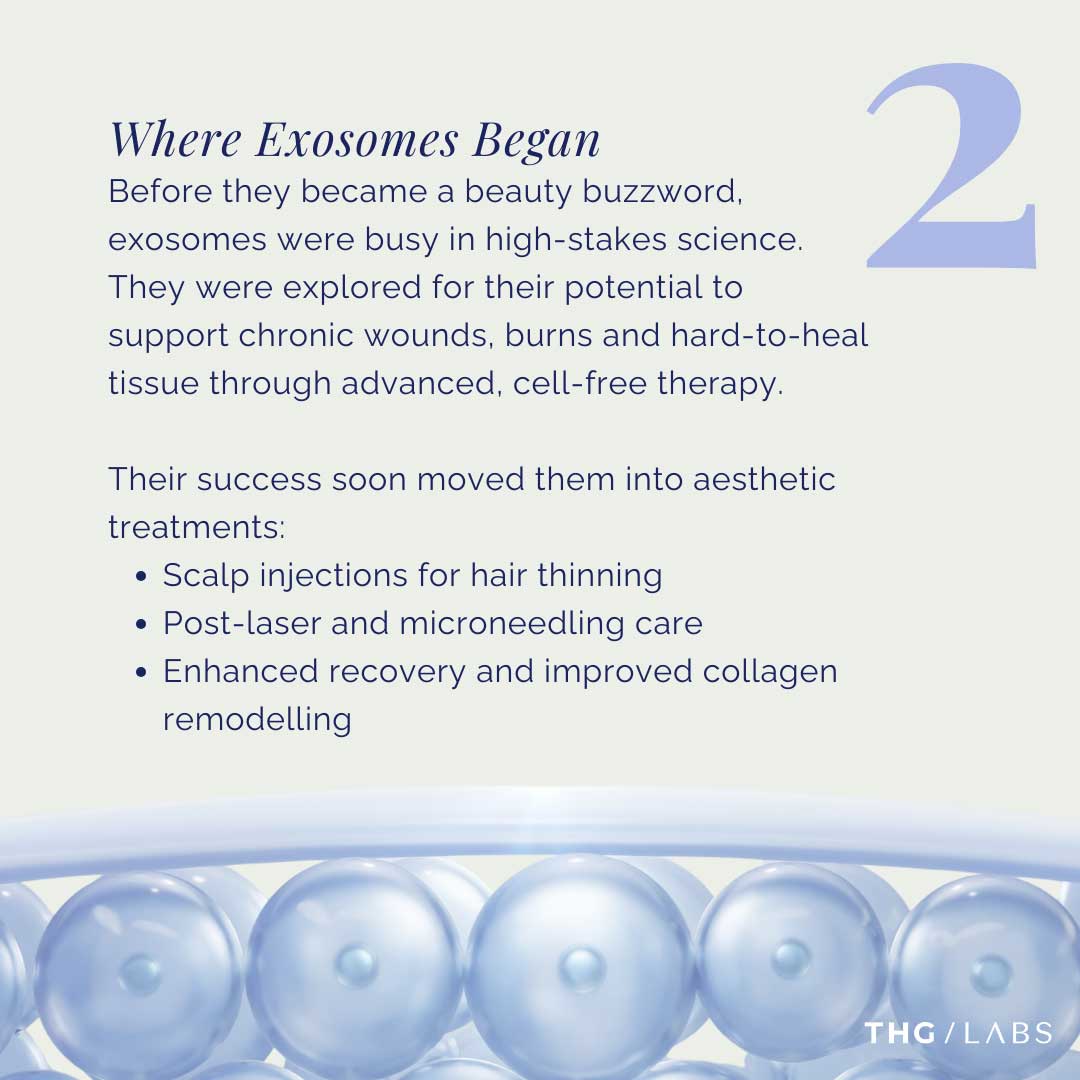
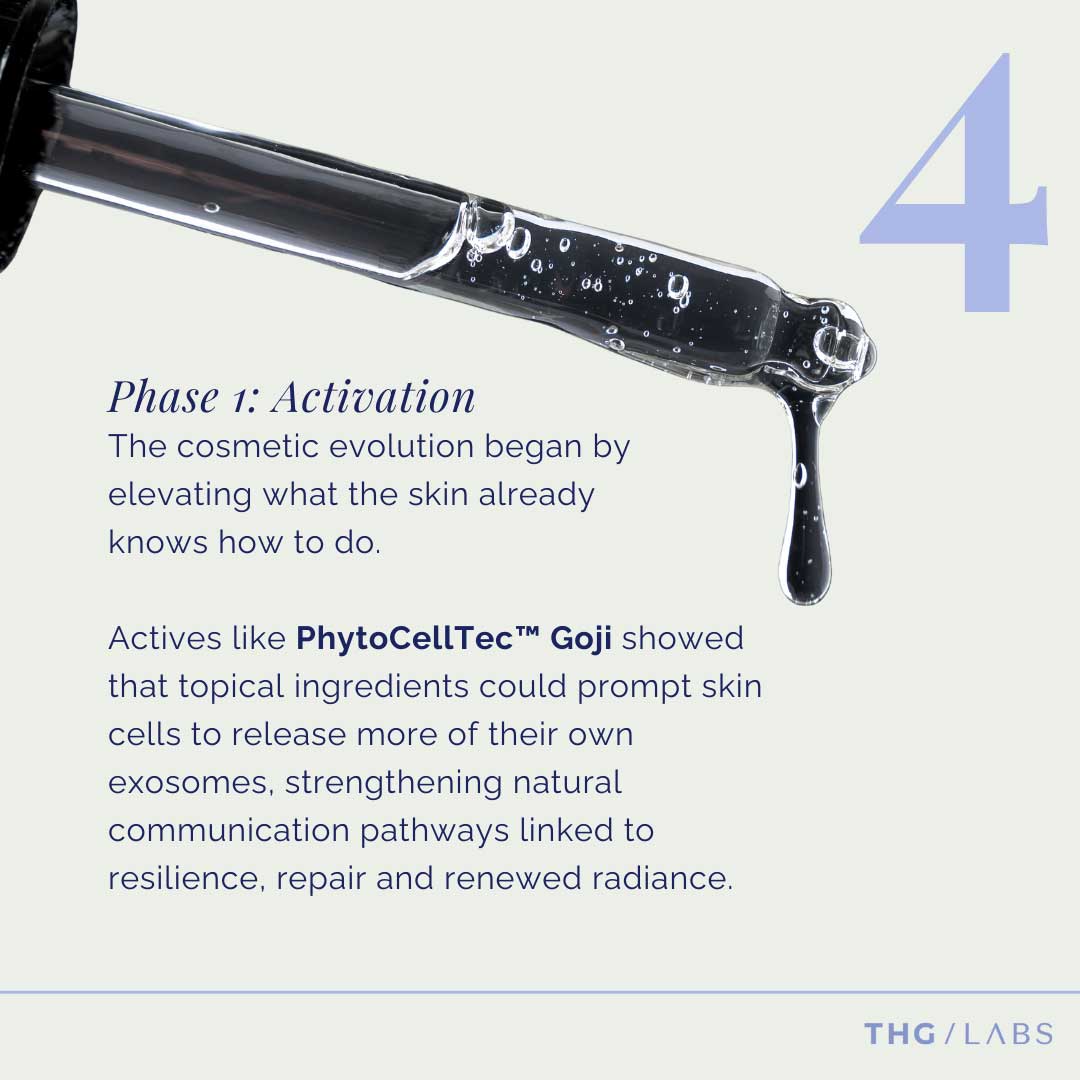
Before entering beauty, exosomes were studied in regenerative medicine for wound healing, tissue repair and cellular communication. Their transition into aesthetics reflects a broader shift towards biologically informed skincare, where inspiration comes from how skin functions rather than how it appears.
Cellular Communication
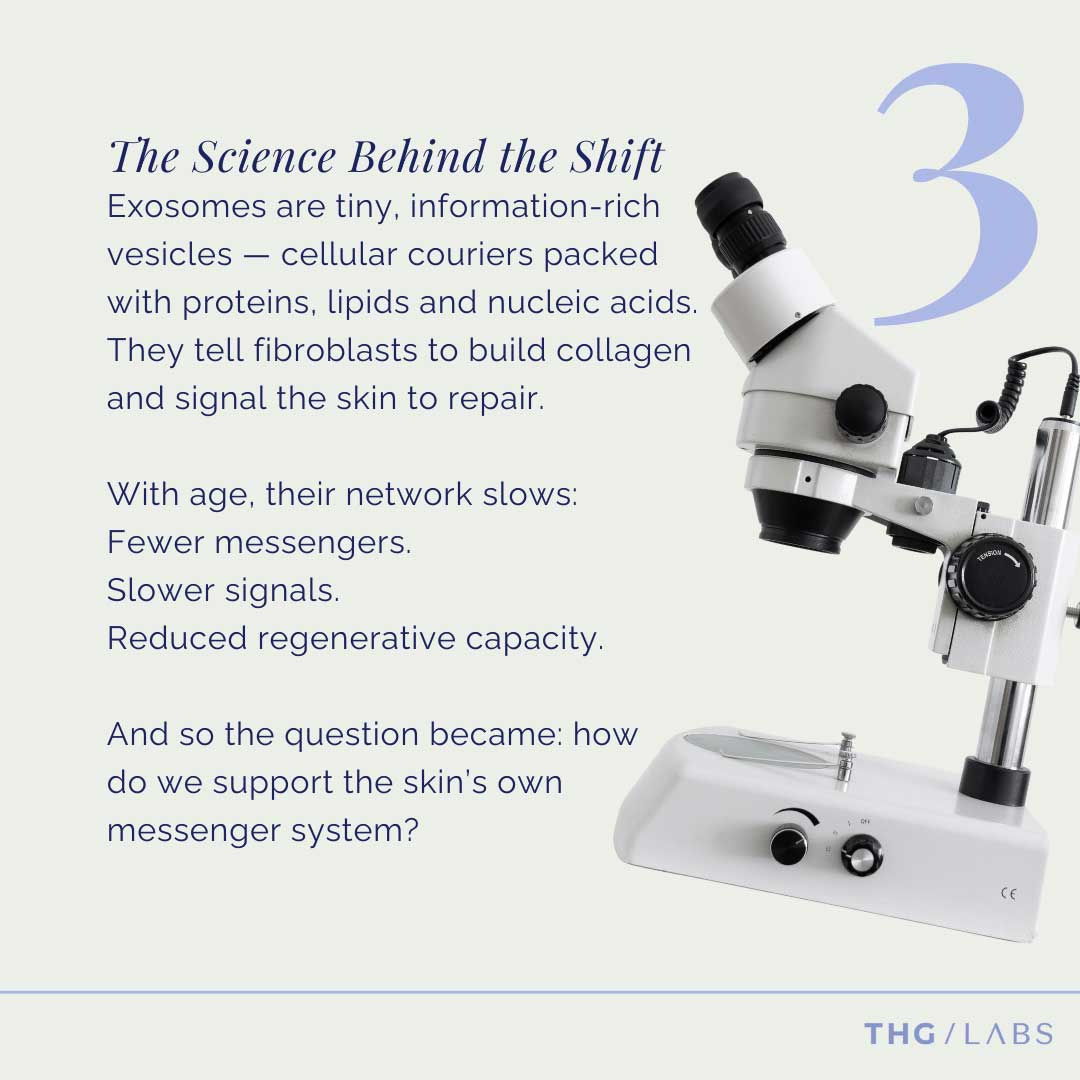
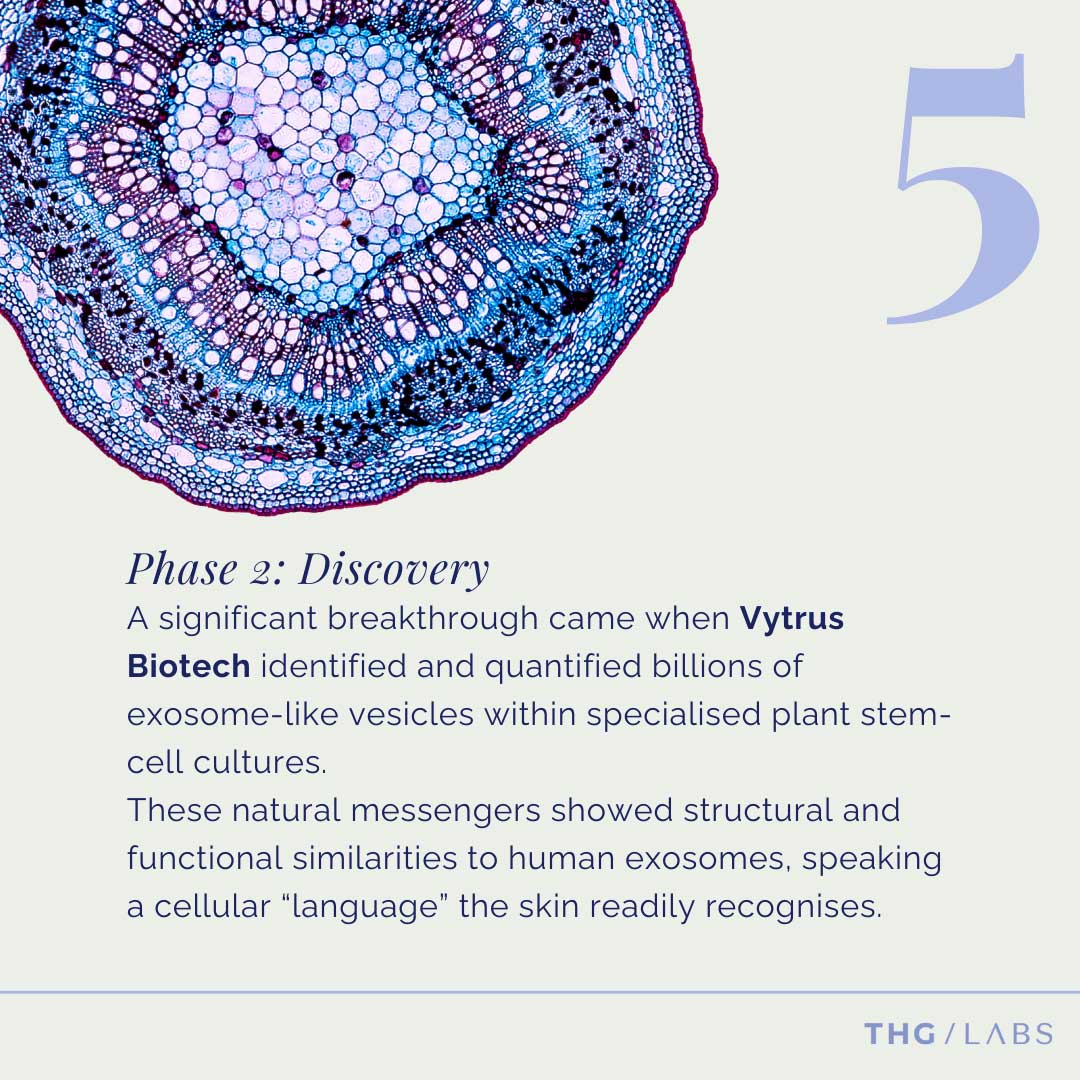
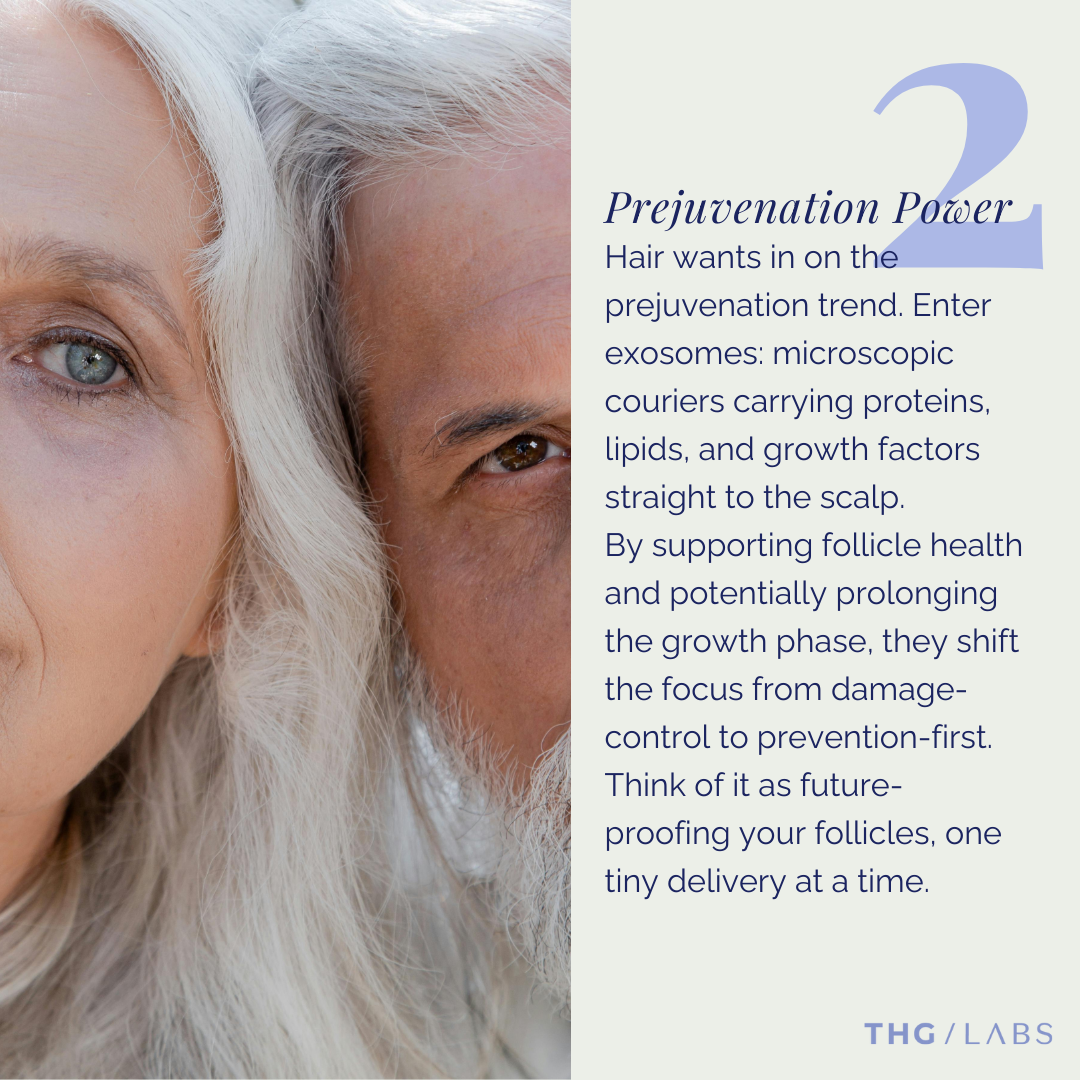
Exosomes are information-rich vesicles that carry proteins, lipids and genetic material between cells. In skin biology, they support repair signalling, collagen activity and barrier recovery. As this messaging network slows with age or stress, cosmetic interest has turned towards supporting the skin’s own communication pathways.
Biomimicry, Bio-Identity and Cosmetic Translation
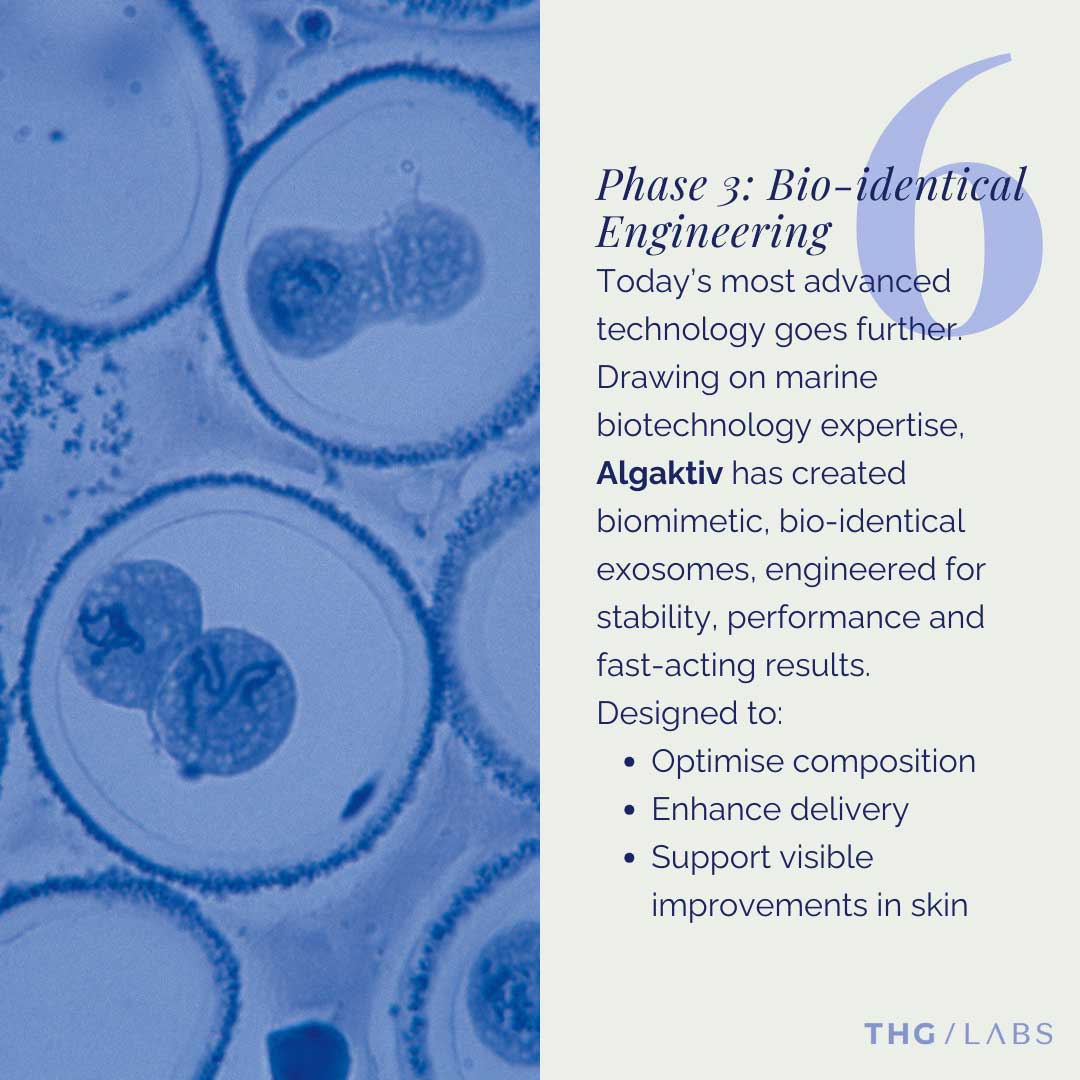
Advances in biotechnology now focus on exosome-inspired and bio-identical systems designed for skin recognition and stability. Plant-based, marine and biomimetic approaches aim to replicate cellular “language,” signalling a move towards skincare rooted in compatibility, delivery and biological relevance.
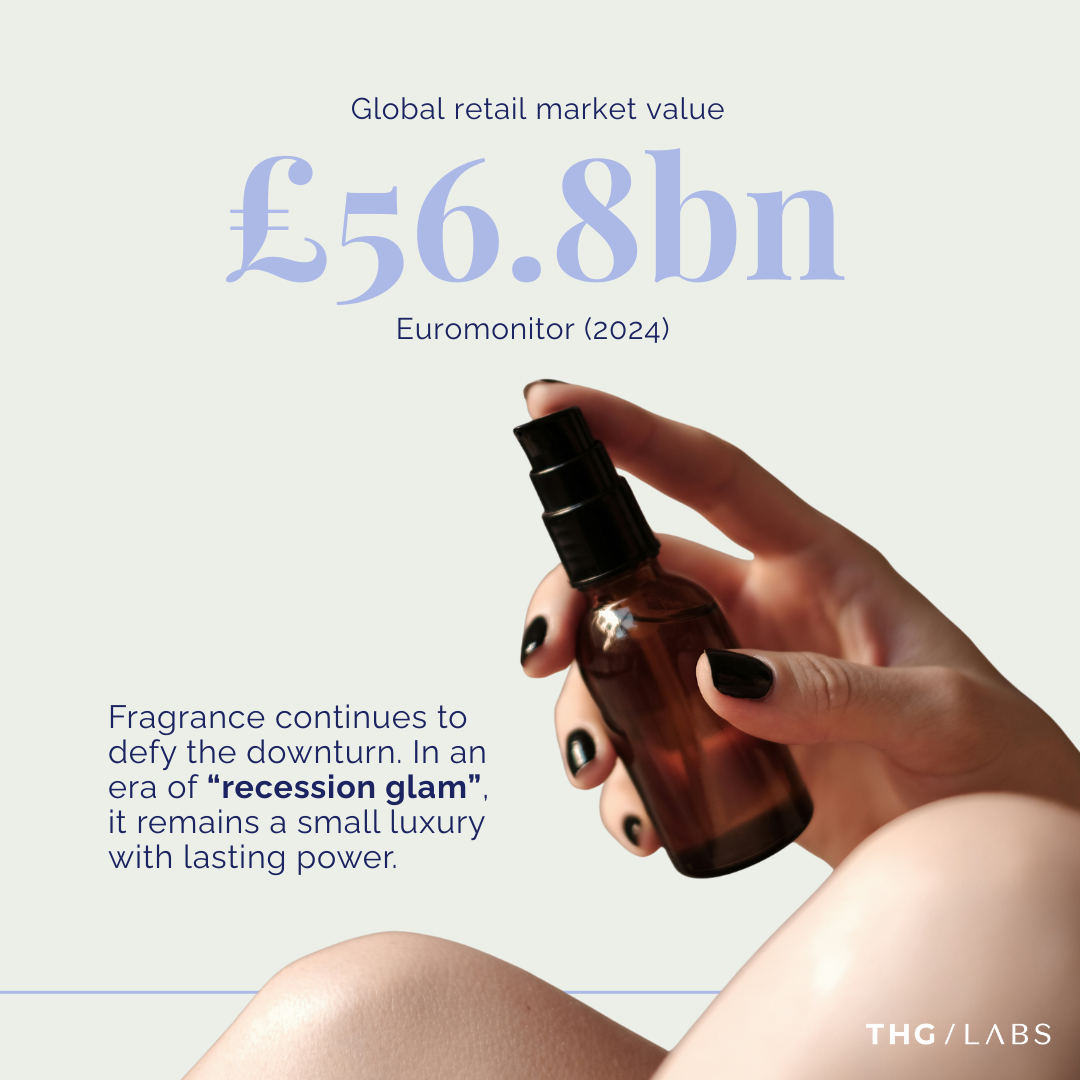
The Future of Fragrance – Scent’s Expanding Role in Beauty
How Consumers Are Rethinking Fragrance
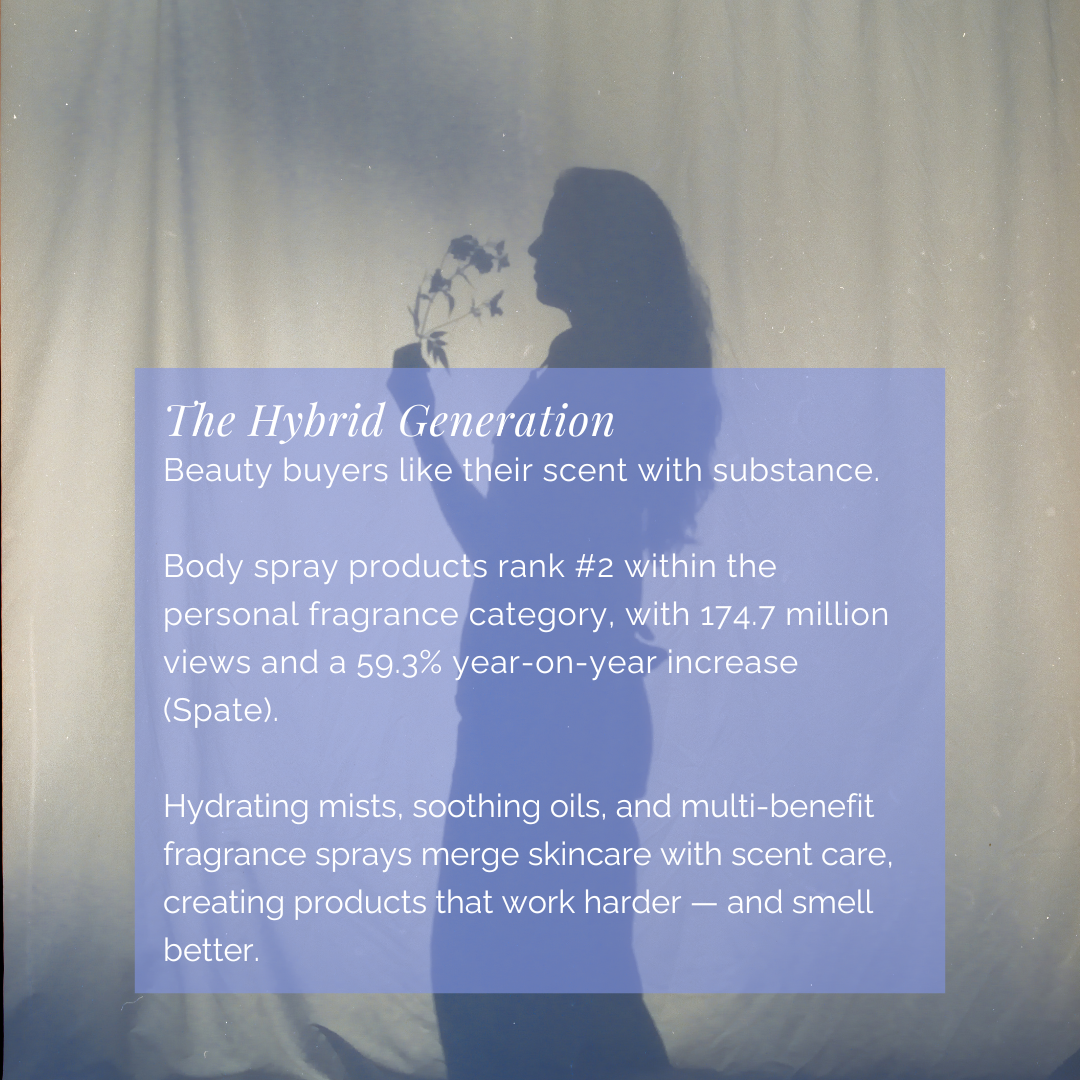
No longer a spritz that's a finishing step, fragrance has grown to become a daily ritual shaped by emotion, mood and personal expression. Consumers are building scent wardrobes rather than relying on a single signature fragrance, seeking formats that flex with lifestyle, environment and routine. This fluid approach has extended the palette to include new textures, new contexts and more experimentation across the category.
The Influence of Wellness and Hybrid Formats
Wellbeing is playing a pivotal role in scent preferences. Functional and mood-supportive fragrances, skin-compatible bases and hybrid bodycare formats reflect a move towards products that enrich both sensorial experience and emotional comfort. These developments are expanding fragrance beyond the bottle and into routines connected with rest, focus or energy.
Where Brands Can Innovate Next
Opportunities are emerging in categories such as laundry scenting, home ambience and fragrance-infused skincare, where the lines between beauty and lifestyle continue to blur. Textural innovation, ingredient storytelling and multifunctional usage occasions allow brands to create more immersive olfactive experiences. With strong formulation and sensorial expertise, THG LABS supports partners in shaping fragrance concepts aligned with modern consumer behaviours and expectations.
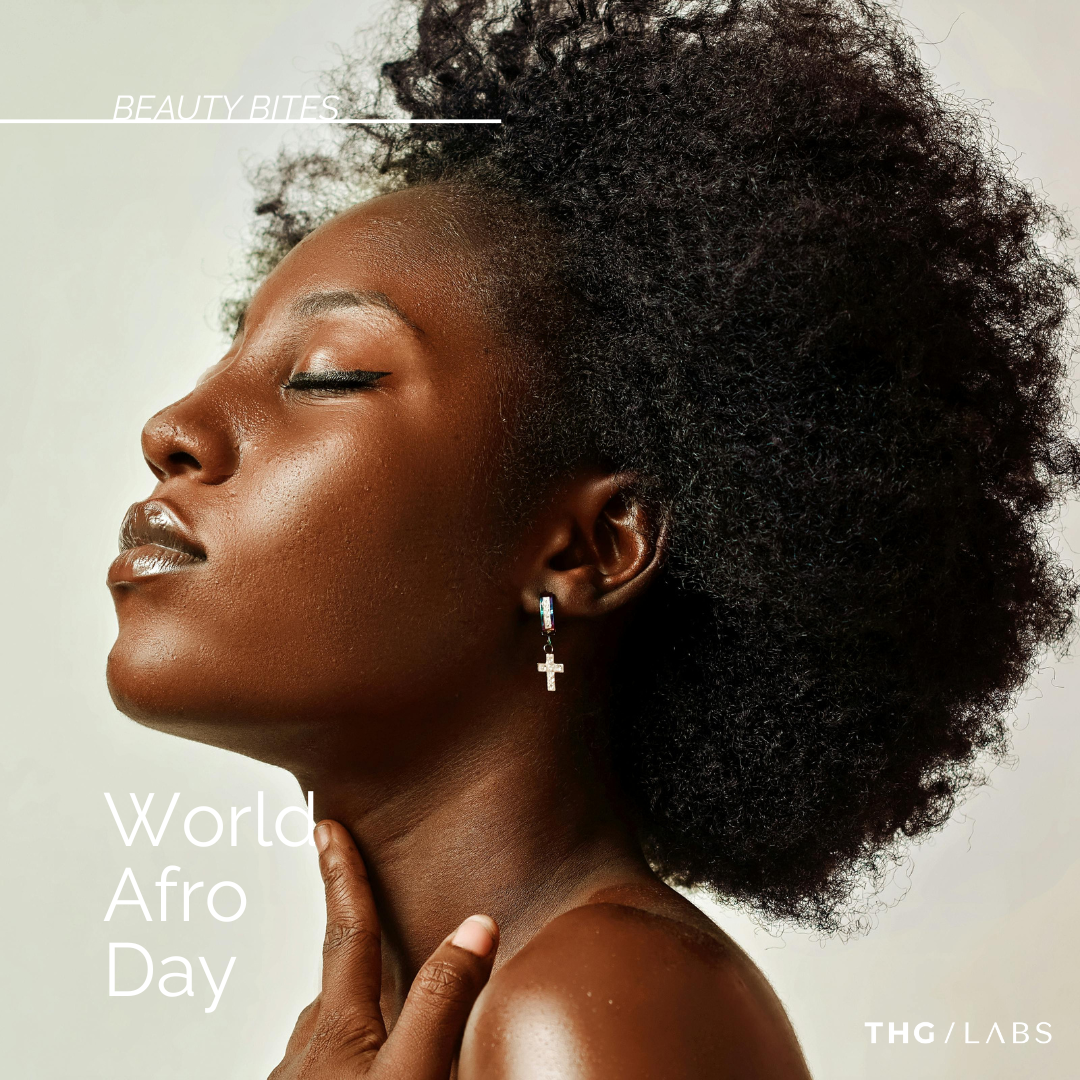
Afro Haircare in Focus
How Textured Haircare Is Evolving
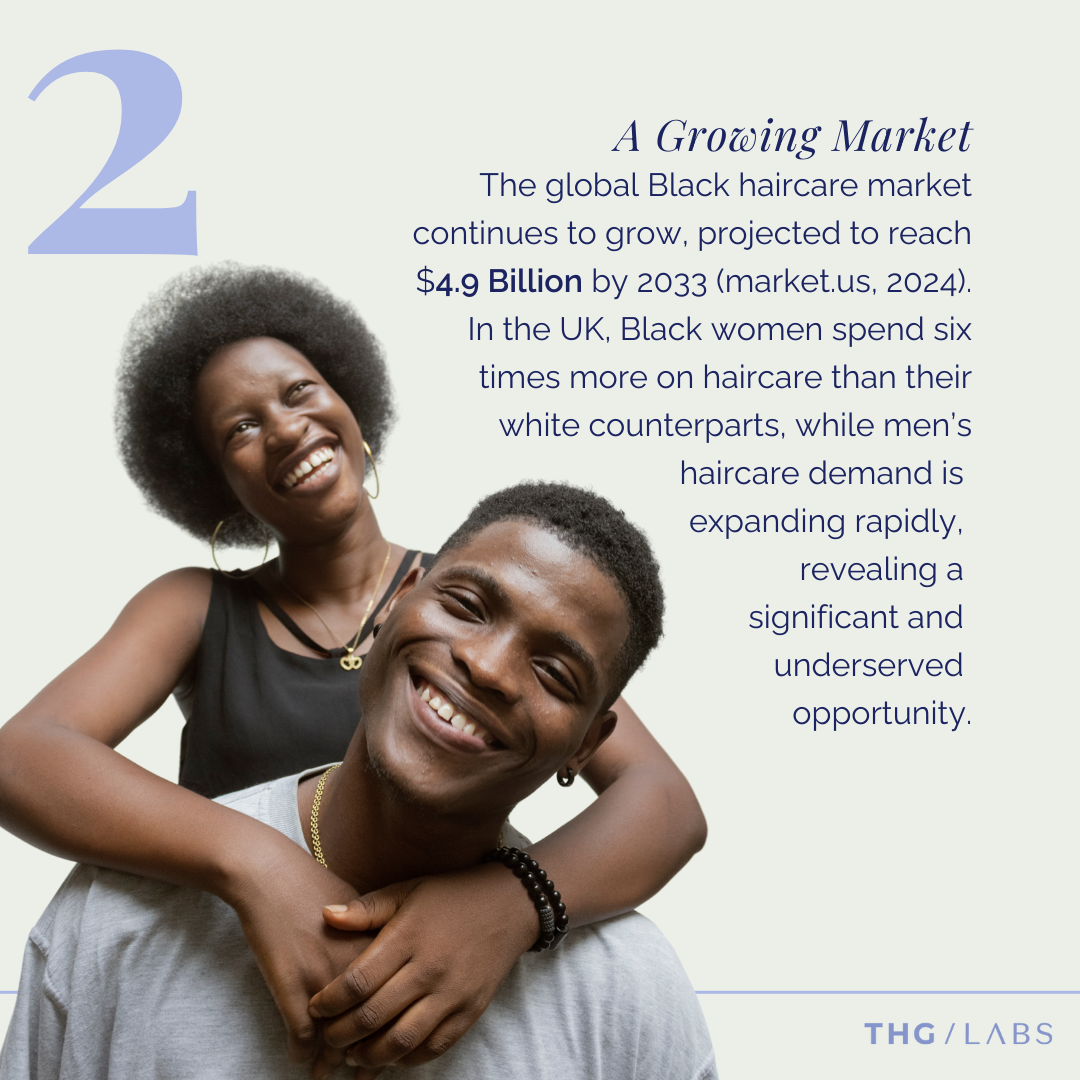
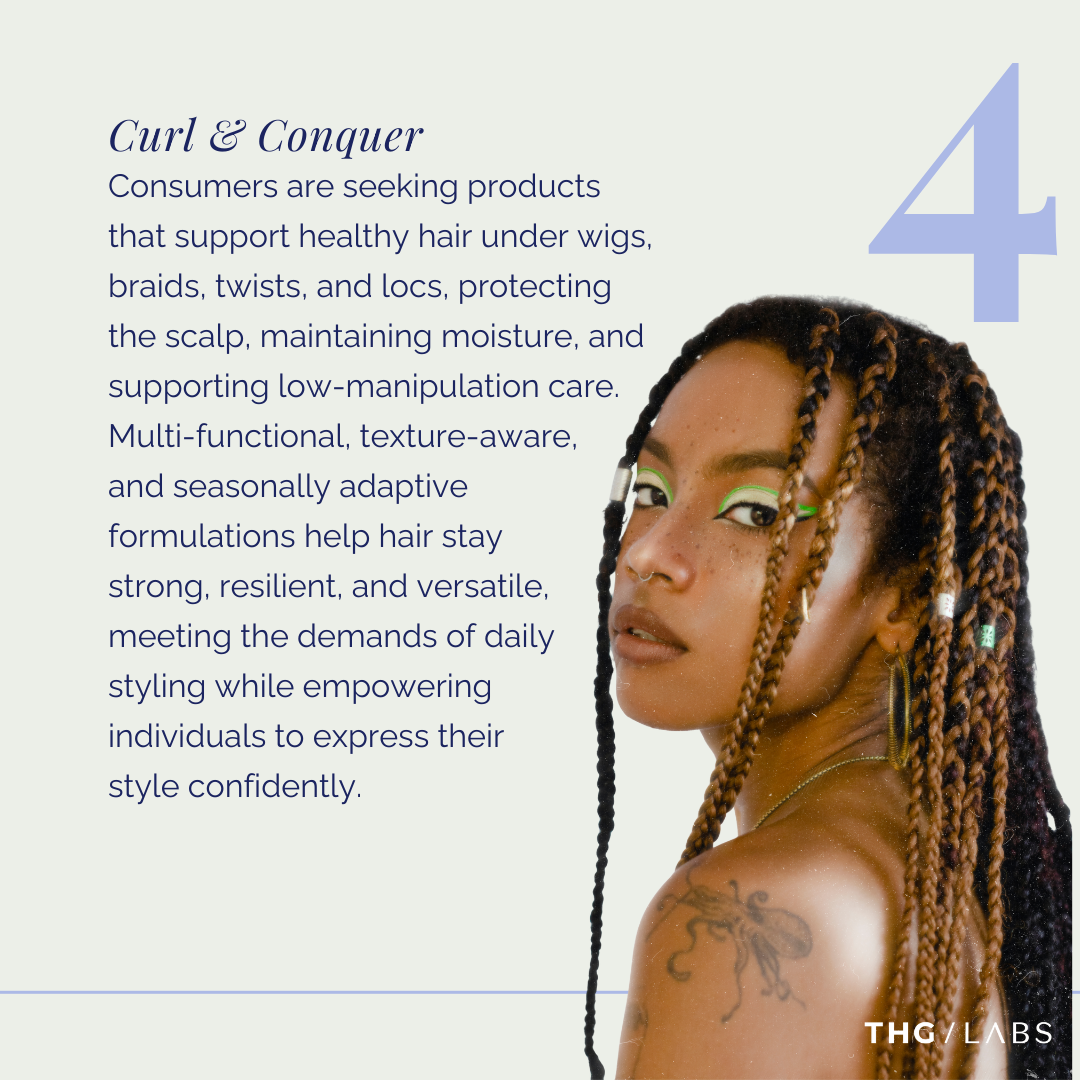
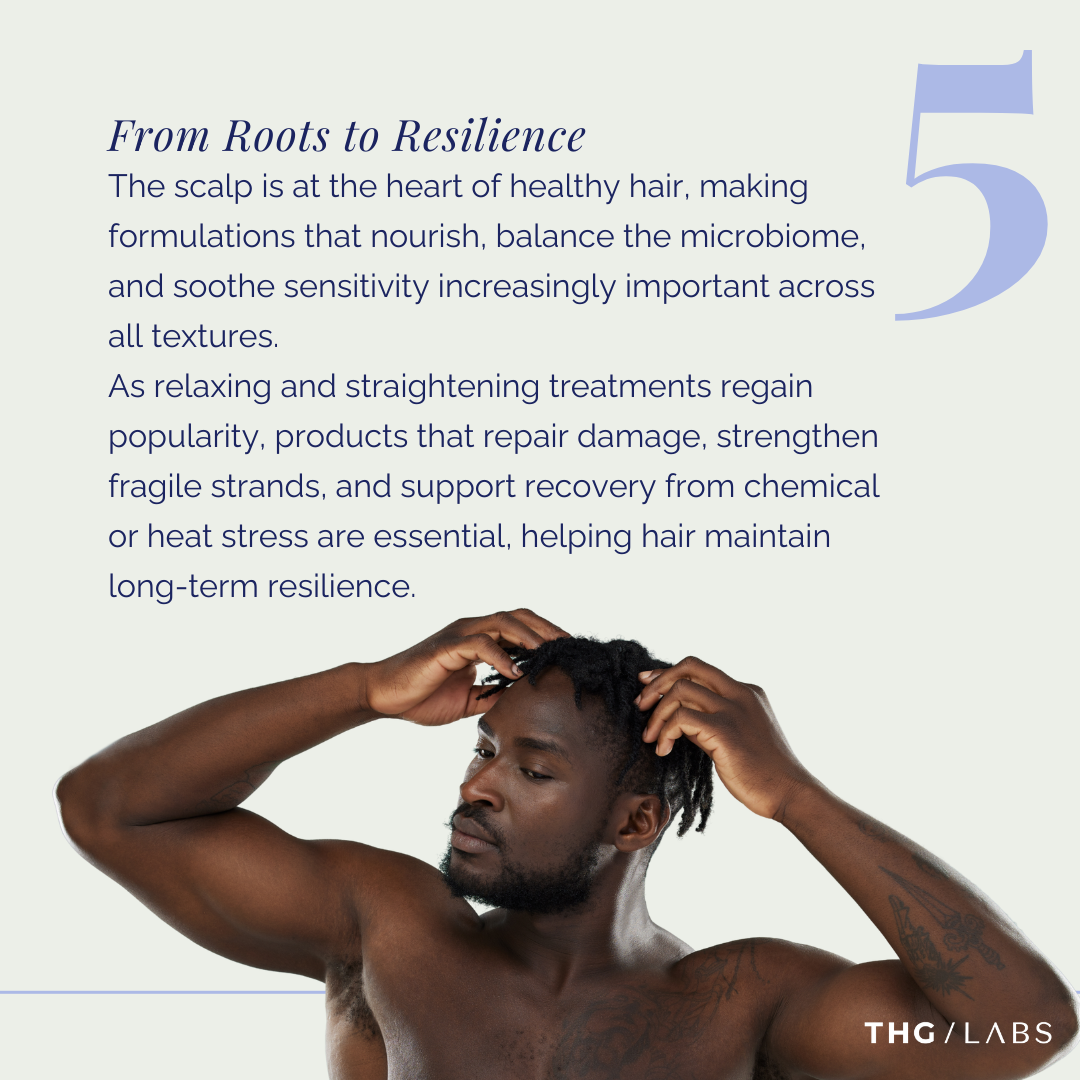
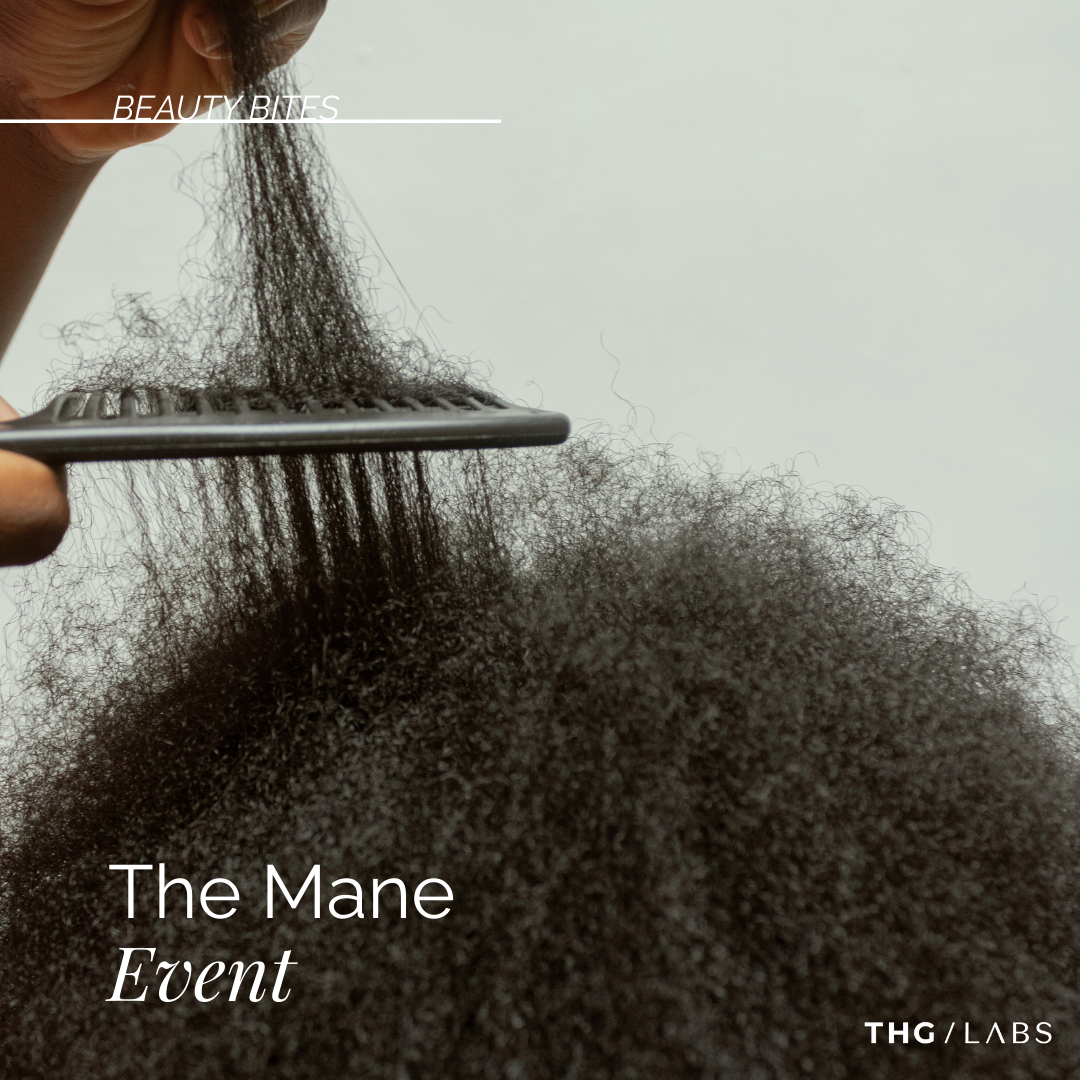
Textured haircare is gaining long-overdue recognition as consumers seek products that respect the full spectrum of curls, coils and protective styles. The category is expanding through greater understanding of porosity, moisture behaviour and breakage patterns, guiding the development of formulations that support strength, comfort and manageability. This shift is moving textured haircare away from one-size-fits-all solutions and towards science-informed systems designed for real-world needs.
The Cultural and Personal Significance of Texture
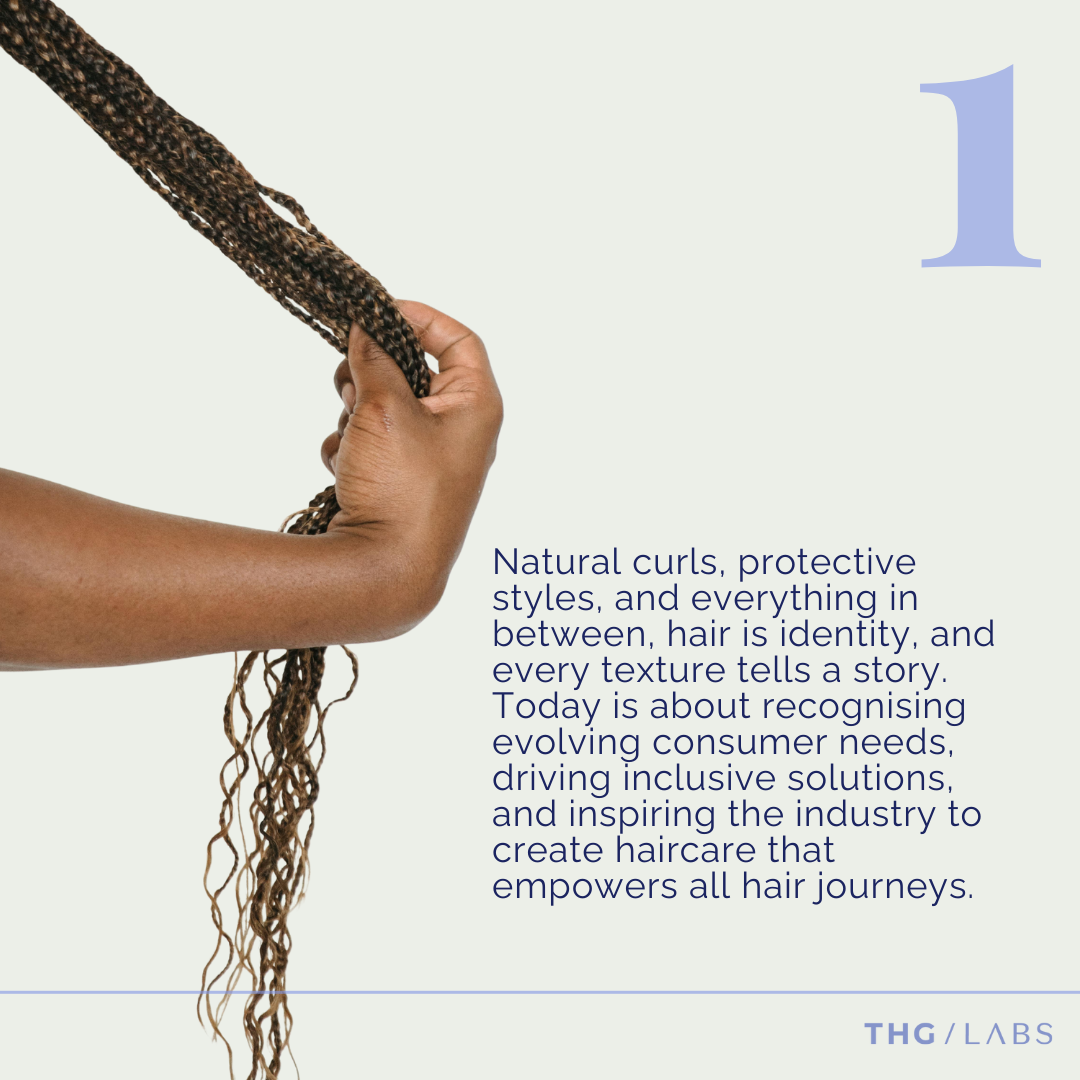
Afro-textured hair carries deep cultural meaning, shaping identity, community and expression. As conversations around inclusivity accelerate, consumers increasingly expect brands to demonstrate genuine understanding of textured hair journeys. This includes respect for protective styling practices, recognition of environmental and seasonal influences, and acknowledgment of the emotional connection many people have with their hair.
How Formulation Can Support Textured Hair Needs
Texture-focused routines often prioritise moisture retention, slip, conditioning agents, and scalp comfort. Modern approaches also integrate light oils, humectants, barrier-supportive ingredients and low-manipulation formats that help minimise mechanical stress. For brands, the opportunity lies in creating formulations that blend cultural awareness with technical credibility, offering support for curl definition, protective styling and overall textured hair resilience.
How Modern Haircare is Evolving
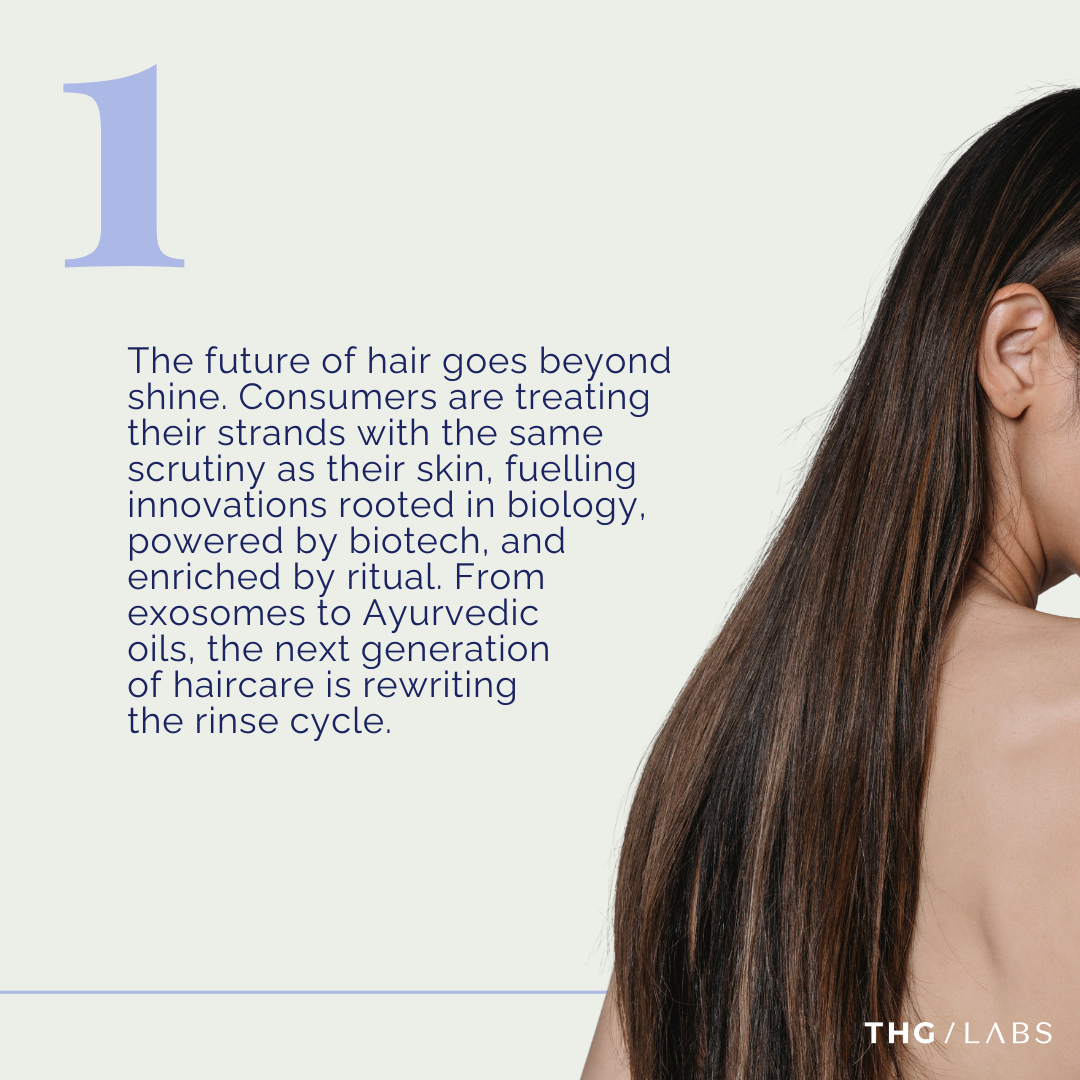
How Haircare Is Becoming More Science-Led
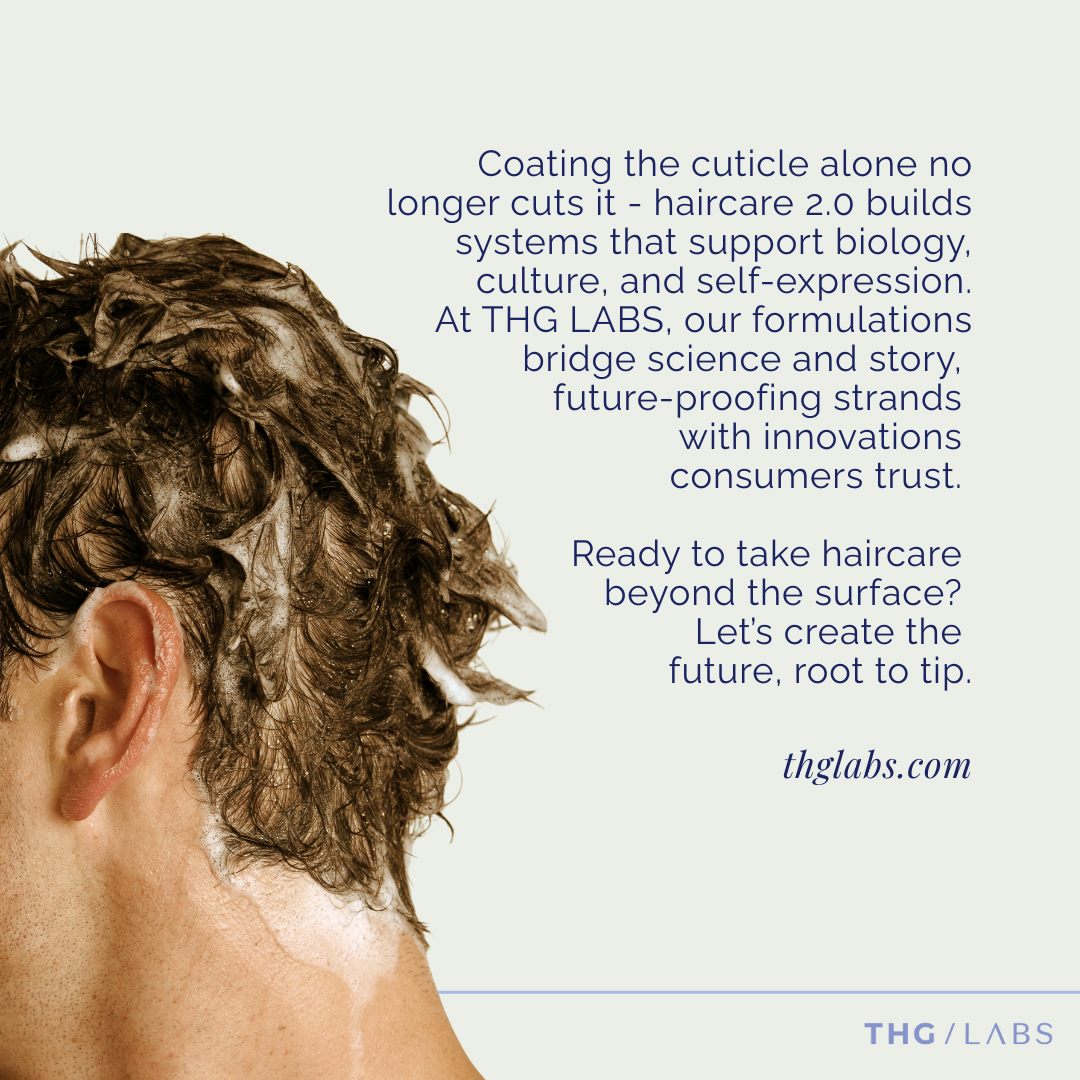
Once preoccupied with shine and surface conditioning, consumers are increasingly scrutinising their strands in as much detail as their skin. Biology, scalp health, and ingredient integrity are shaping expectations, while new delivery systems and diagnostic tools are informing more targeted routines. This move towards Haircare 2.0 reflects a desire for products that support resilience, comfort and long-term hair wellbeing.
The Role of Ritual, Culture and Personalisation
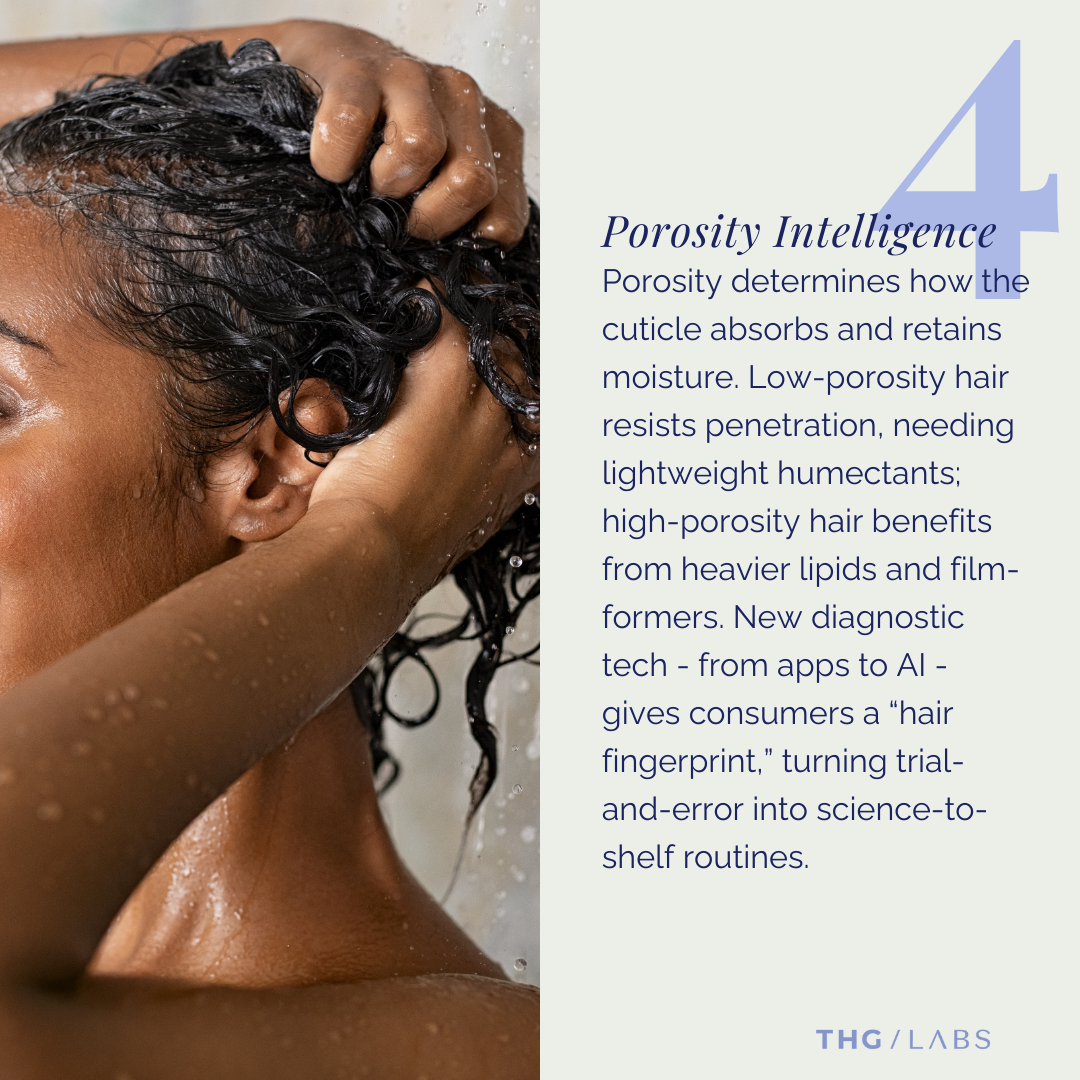
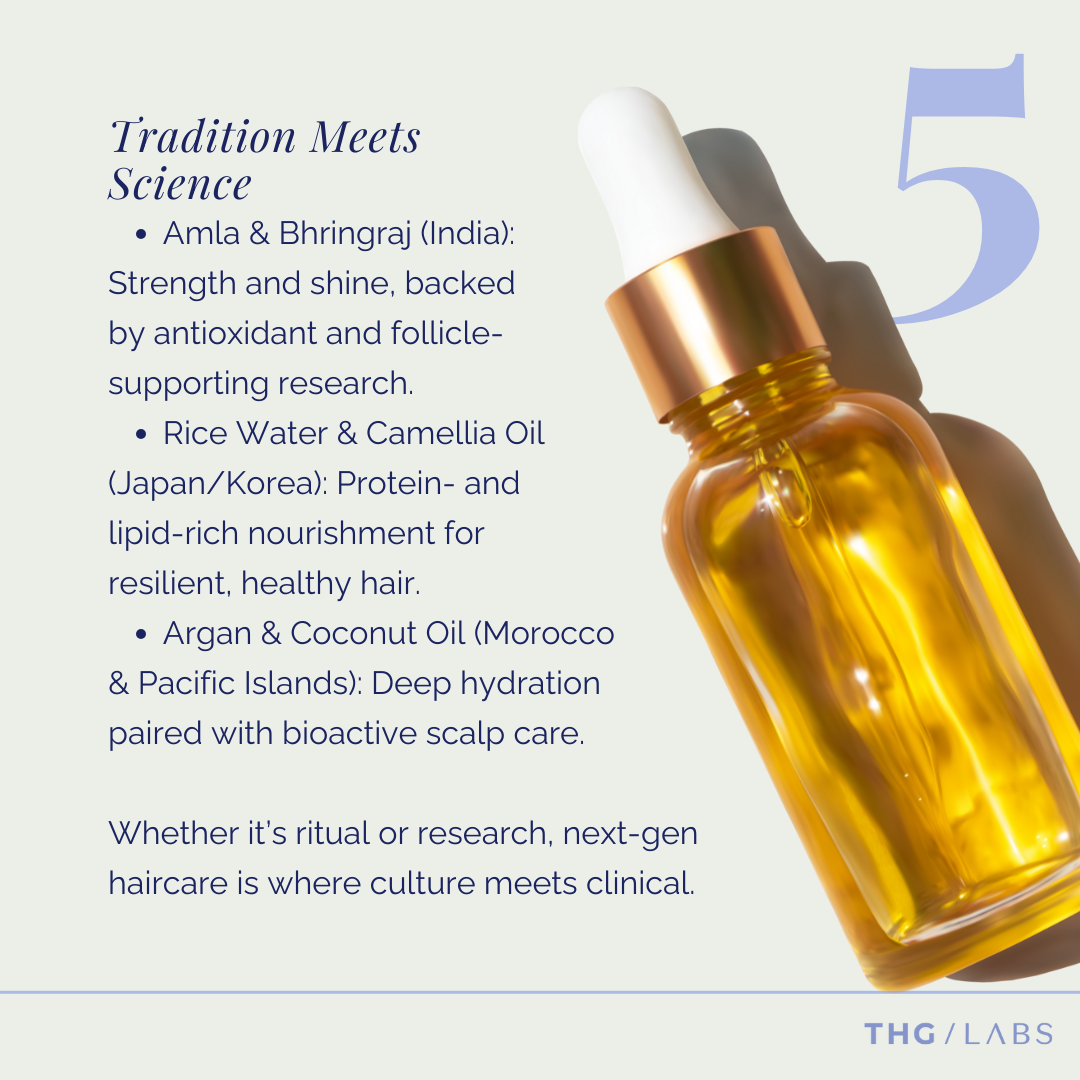
Hair routines today are deeply tied to identity and cultural expression, which broadens the demand for solutions that respect texture diversity and styling habits. Practices inspired by global beauty rituals, combined with personalised approaches such as porosity analysis, help consumers make more educated choices that align with their lifestyle, environment and hair goals.
How Formulations Can Support Next-Generation Hair Needs
Modern haircare strategies emphasise scalp nourishment, fibre protection and sensoriality. Lightweight humectants, lipid-rich conditioners, rewarding textures and format innovation all play a role in supporting hair comfort and manageability while reducing mechanical stress. For brands, the opportunity lies in product development that balances science and storytelling, providing credible care while enhancing everyday routines.
Blue Biotech
What Blue Biotech Means for Sustainable Beauty Innovation
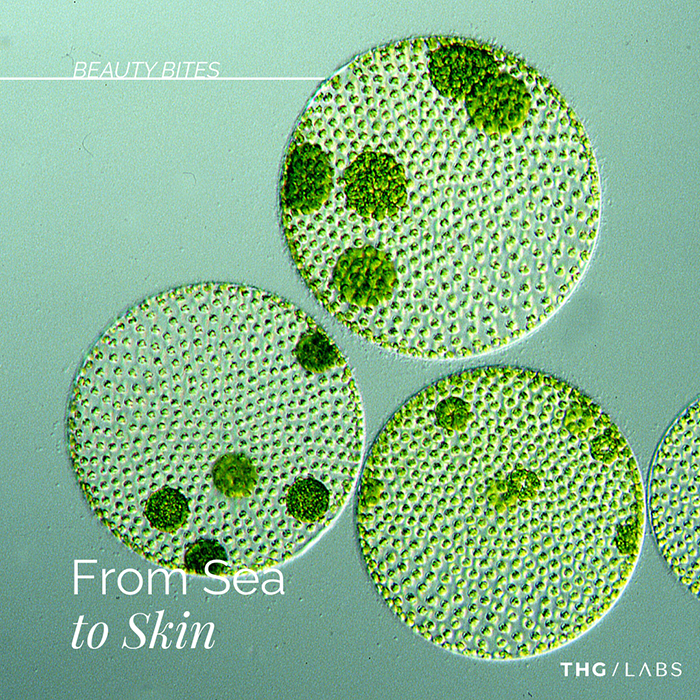
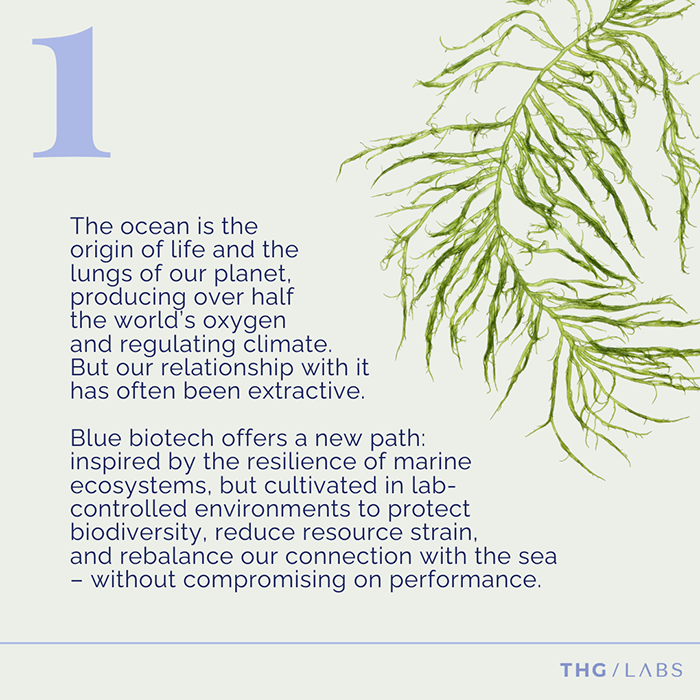
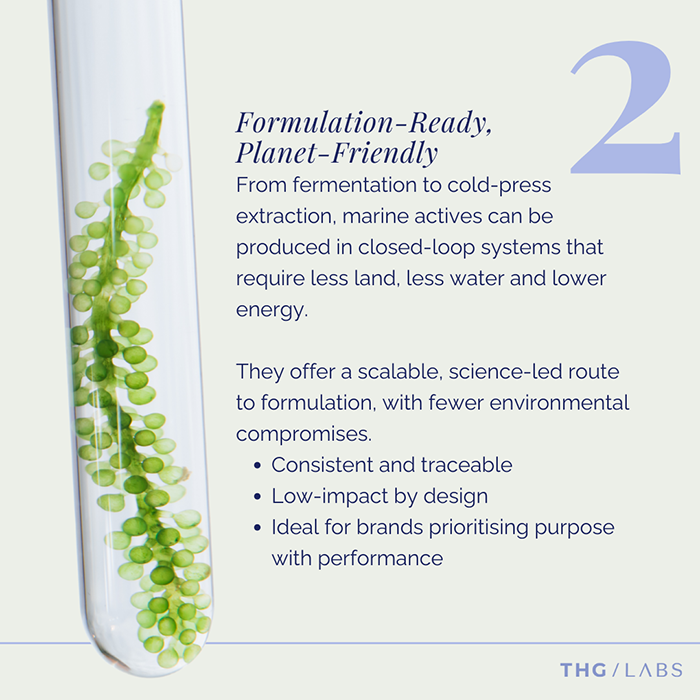
Blue biotech refers to the use of marine resources, such as seaweed, and biotechnology to create sustainable, lab-grown ingredients for beauty and skincare. it focuses on cultivating cell cultures of algae, seaweed and marine microorganisms. These materials are produced through low-impact processes such as fermentation and closed-loop cultivation, helping reduce land use, water consumption and waste.
How Marine-Derived Biotech Ingredients Support Skin Health
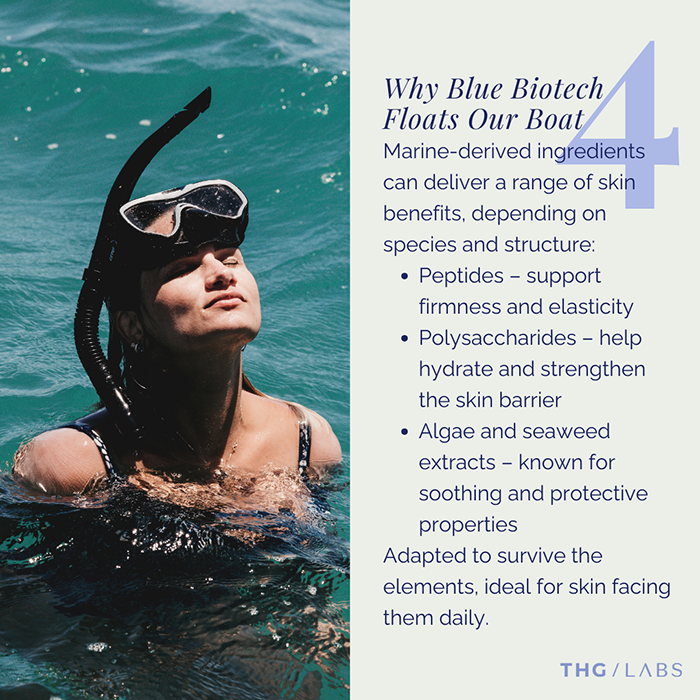
Marine organisms evolve in extreme, nutrient-scarce conditions, developing adaptive biological mechanisms that protect them from environmental stress. When applied to cosmetic science, these mechanisms translate into ingredients that help maintain hydration, support skin barrier function and contribute to overall skin resilience. Blue biotech provides a scalable and environmentally responsible way for brands to explore these benefits within formulations.
Why Blue Biotech Is Shaping the Future of Beauty Development
As demand grows for science-led and sustainable beauty, blue biotech is becoming an important pathway for next-generation product development. It combines performance potential with lower environmental impact, making it a compelling option for brands looking for innovation that aligns with both consumer expectations and responsible sourcing. At THG LABS, our teams support partners in exploring these emerging marine-derived technologies and integrating them into forward-thinking product concepts.
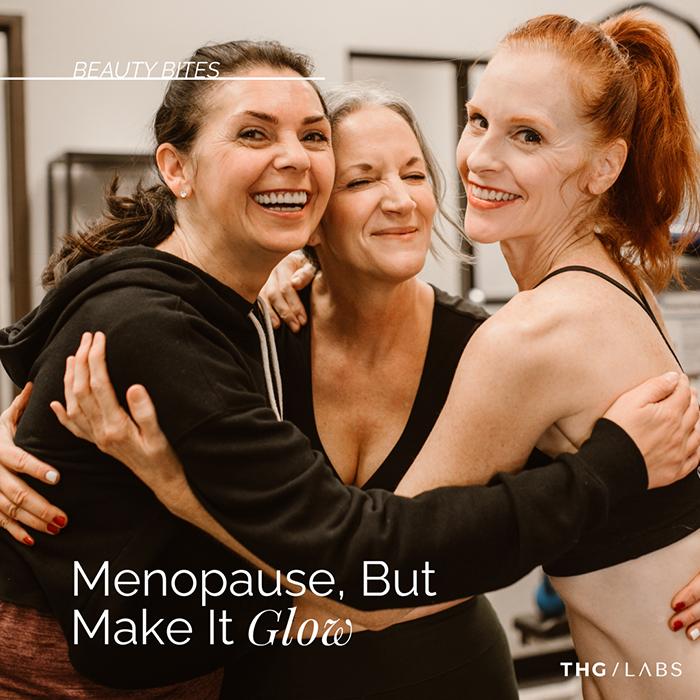
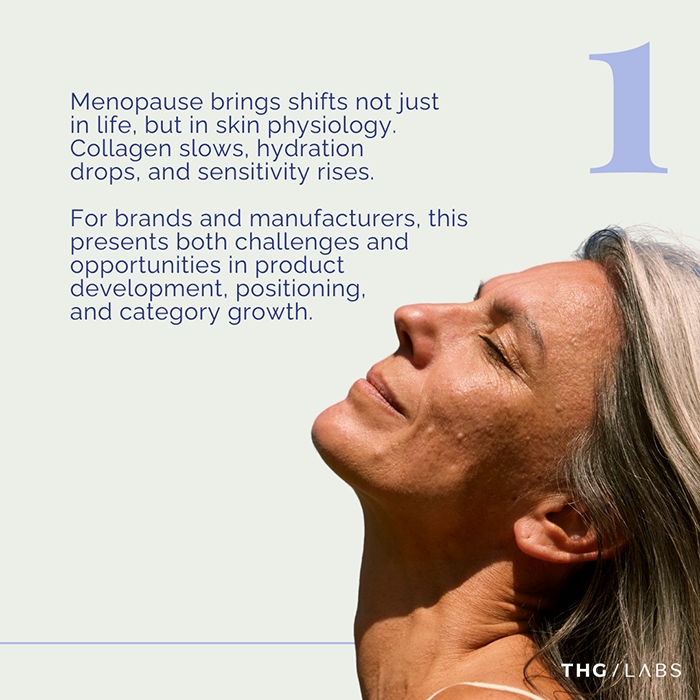
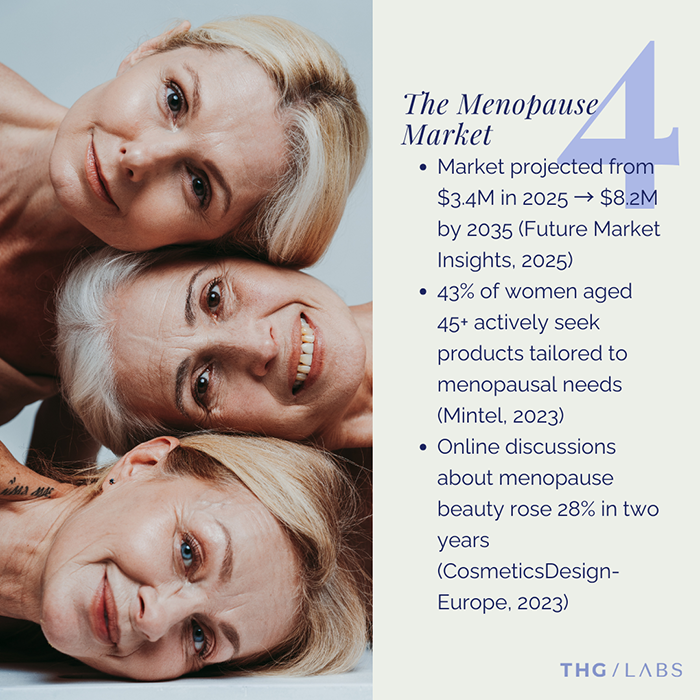
Menopause & the Changing Needs of Skin
How Hormonal Shifts Influence Skin Function
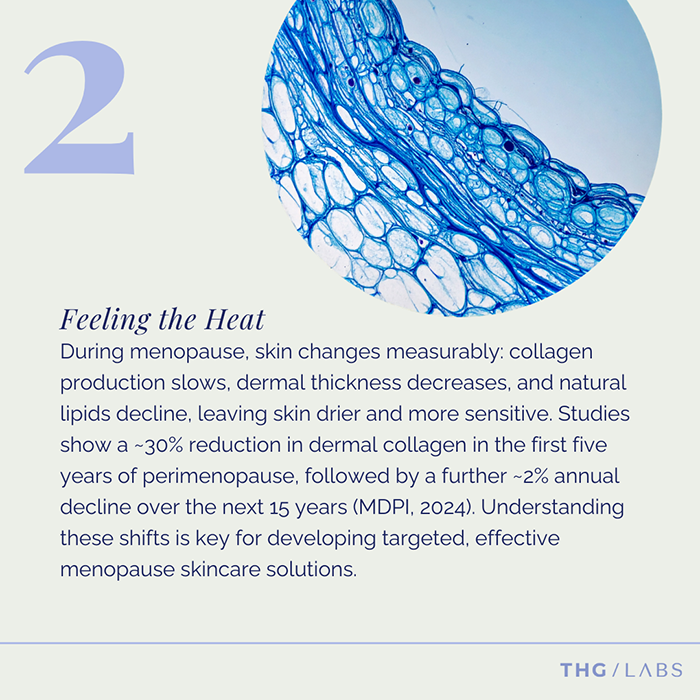
Menopause triggers a decline in oestrogen and progesterone, altering collagen production, lipid balance and barrier integrity. These changes influence hydration, firmness and sensitivity, creating new cosmetic needs during perimenopause and post-menopause. Understanding how hormonal transitions affect skin biology helps inform the development of supportive, comfort-driven formulations.
What Menopause Means for Formulation Strategy
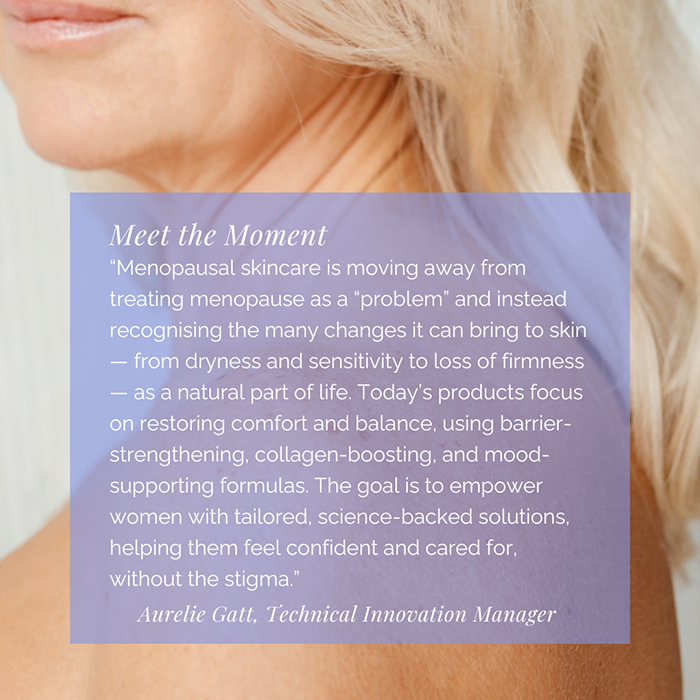
As natural moisturising factors decrease and the barrier becomes more vulnerable, formulations often benefit from textures that cushion, soothe and replenish. Science-led cosmetic innovation can focus on hydration strategies, supportive lipids, gentle exfoliation systems and sensorial profiles that prioritise comfort without irritation.
Meeting Evolving Consumer Expectations
Menopause conversations are shifting from stigma to empowerment. Consumers increasingly expect products that acknowledge their changing skin needs with clarity and respect. Beauty brands are responding with targeted ranges, ingredient transparency and textures that feel reassuring, elegant and supportive.
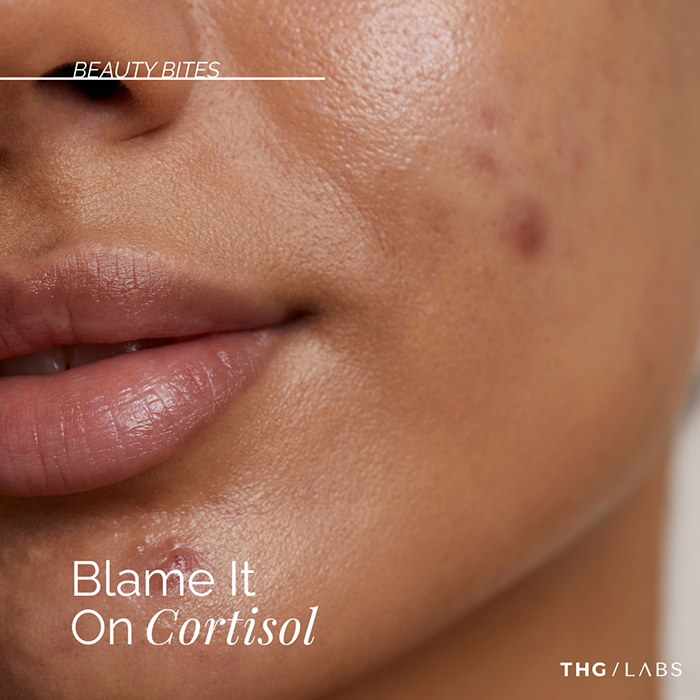
Cortisol, Stress and Their Impact on Skin
How Cortisol Influences Skin Behaviour
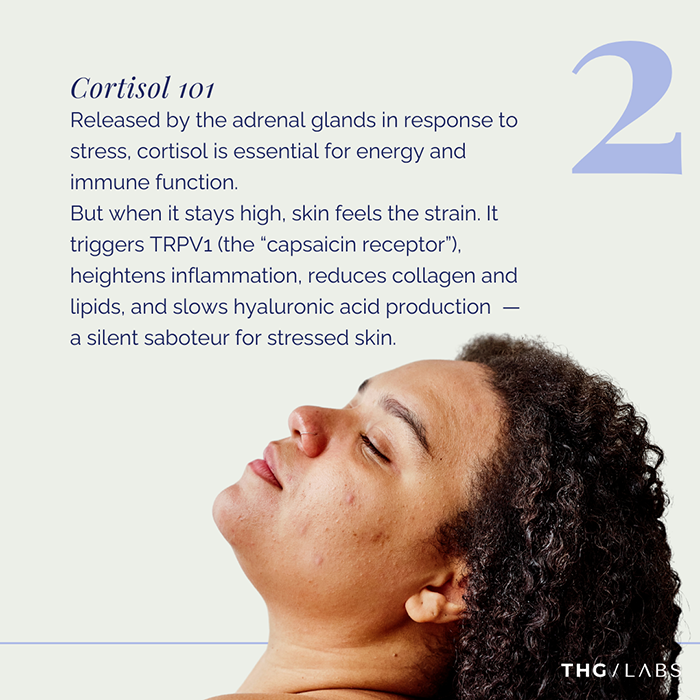
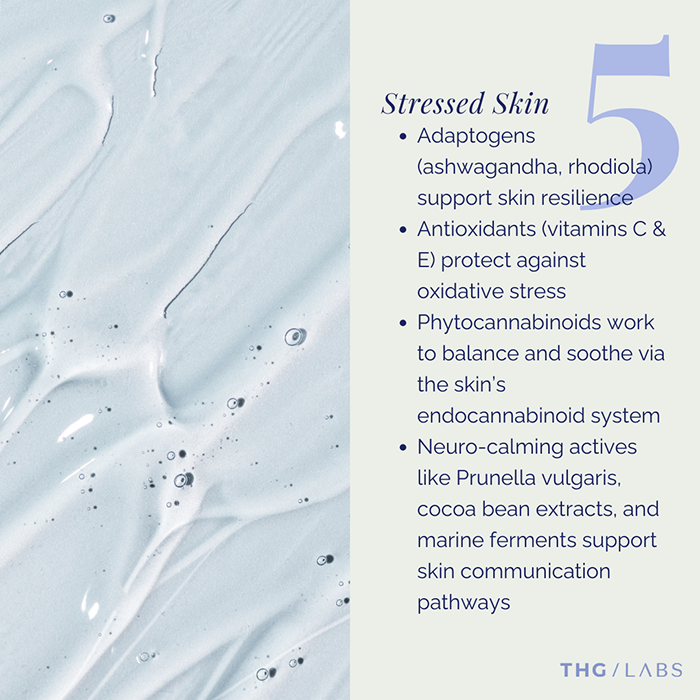
Cortisol is the body’s primary stress hormone, rising in response to psychological, environmental or lifestyle stressors. Prolonged elevation can affect the skin’s barrier, hydration balance and visible radiance. In cosmetic science, this relationship helps inform approaches to supporting stressed, fatigued or imbalance-prone skin.
The Link Between Modern Lifestyles and Skin Stress
Busy routines, irregular sleep, digital exposure and pressure-driven work cycles can contribute to prolonged stress responses. Consumers increasingly recognise the connection between wellbeing behaviours and skin appearance, fuelling interest in ingredient stories that align with comfort, balance and recovery.
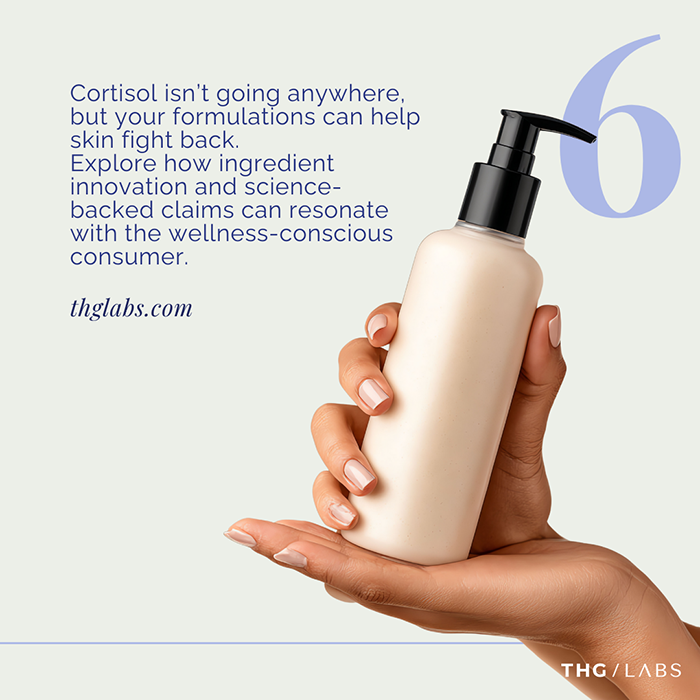
How Formulations Can Support Stressed Skin
Cosmetic strategies centre on hydration reinforcement, barrier support and sensorial textures that promote comfort. Ingredients associated with soothing, antioxidant routines or moisture retention can help create a more balanced environment for stressed skin, while textures offer reassuring sensorial experiences.
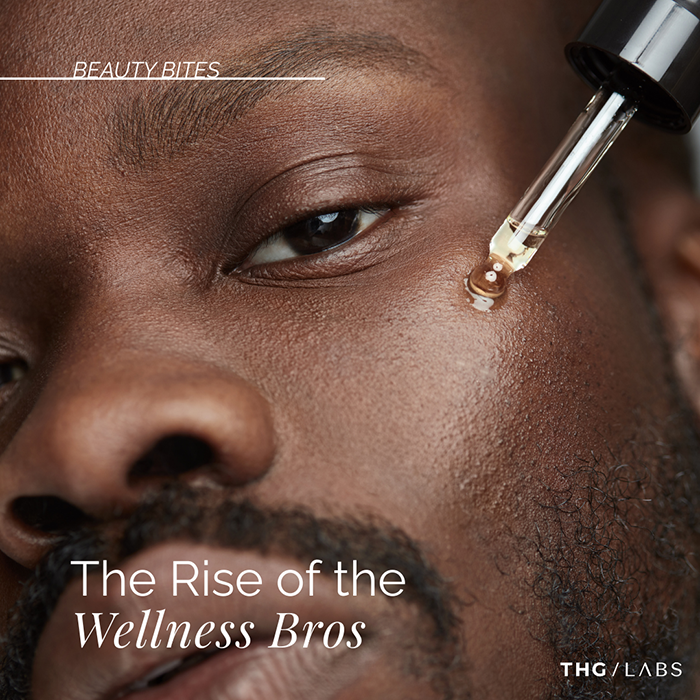

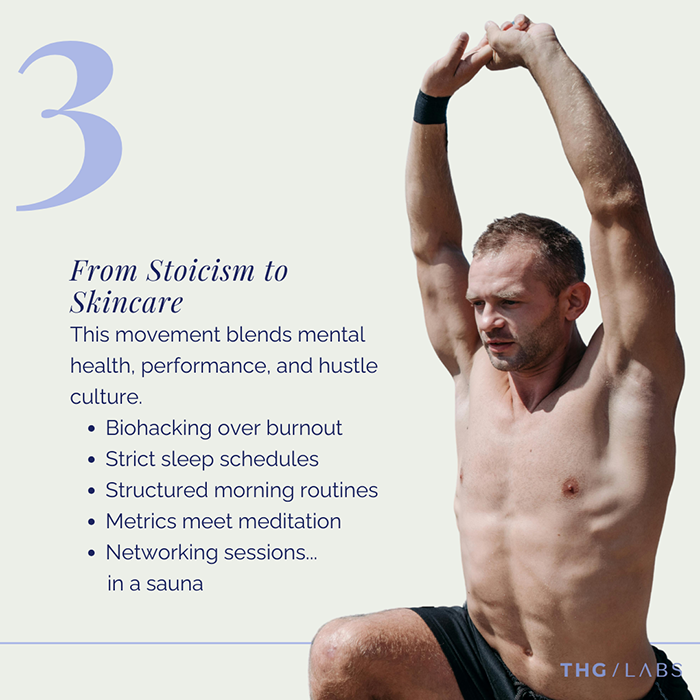
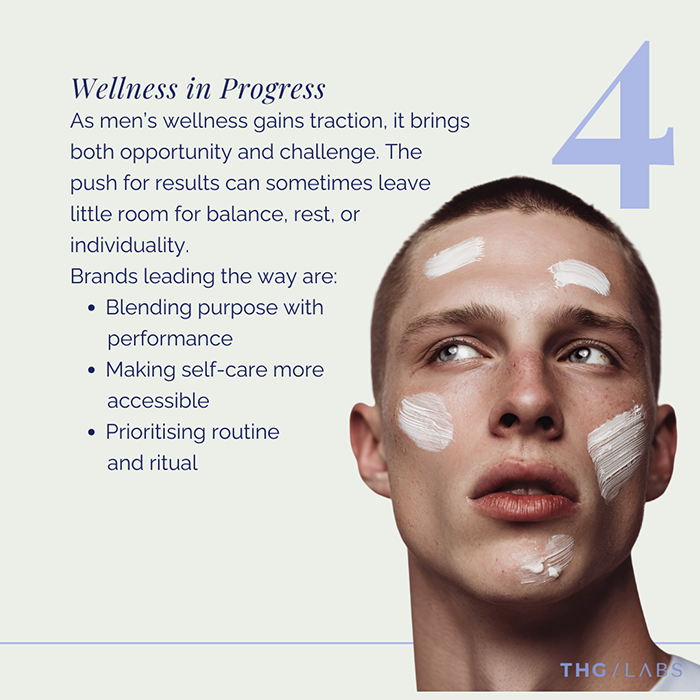
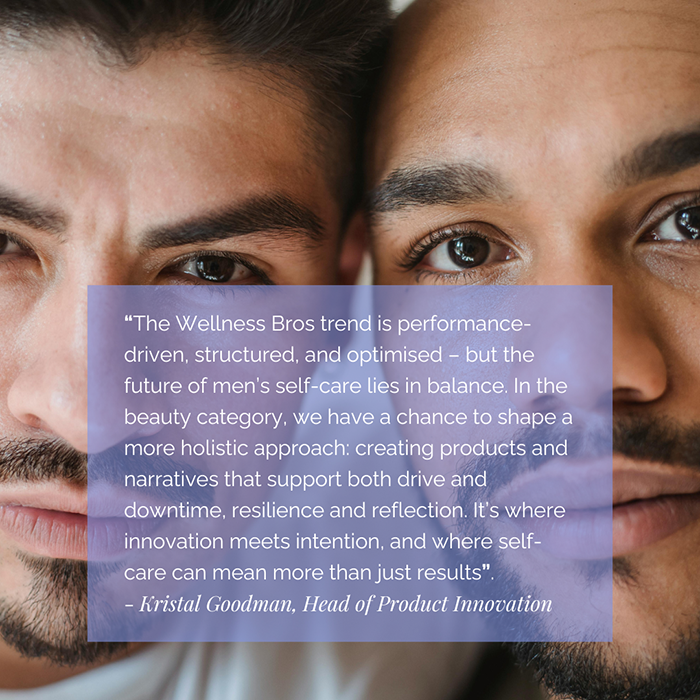
The Rise of the Wellness Bros
Why Male Wellness Culture Is Expanding
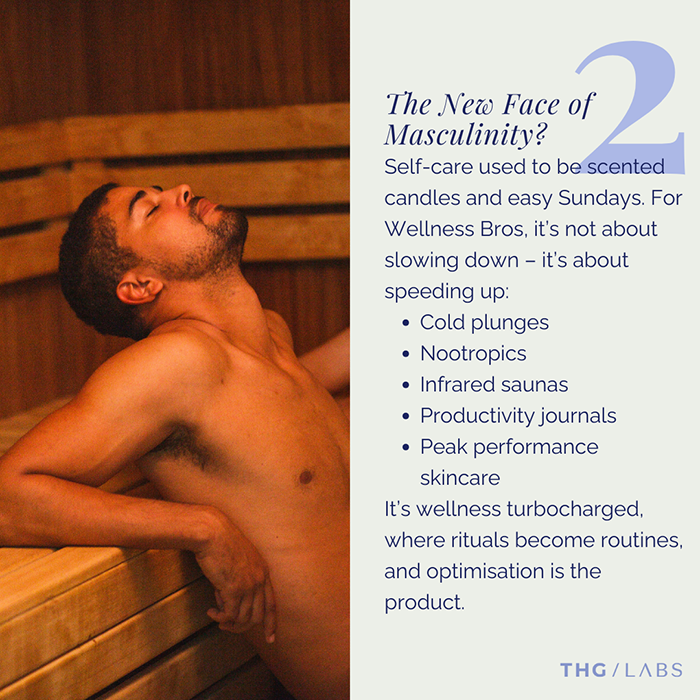
A new wave of wellness culture is emerging among younger male consumers who are actively engaging with skincare, supplements, fitness and self-improvement routines. Social platforms have accelerated this shift, highlighting routines that merge performance, appearance and lifestyle optimisation.
How This Trend Shapes Beauty Product Behaviour
Wellness-driven male consumers gravitate toward clear claims, functional benefits and products that integrate seamlessly into daily routines. Interest spans hydration, barrier support, brightening, bodycare and hybrid categories that feel efficient and results-focused.
Opportunities for Brands Targeting the Wellness Bros Mindset
Brands can lean into clarity, credibility and simplicity, pairing approachable science-led storytelling with clean aesthetics and practical textures. Product development can explore multifunctional formats, sensorial refinement and ingredient profiles that appeal to a performance-oriented mindset.
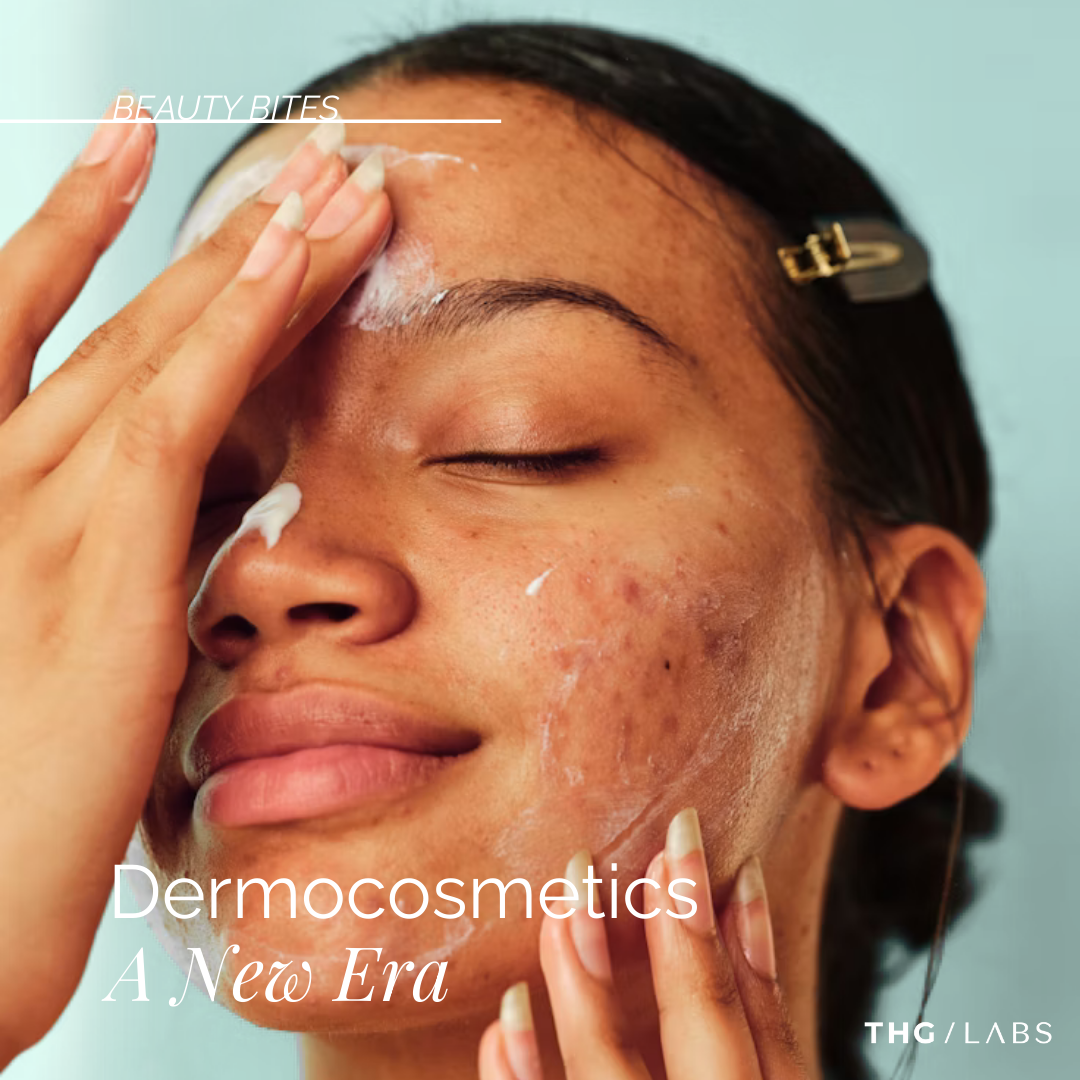
Dermocosmetics and Science-Led Skincare
Why Dermocosmetics Is Growing
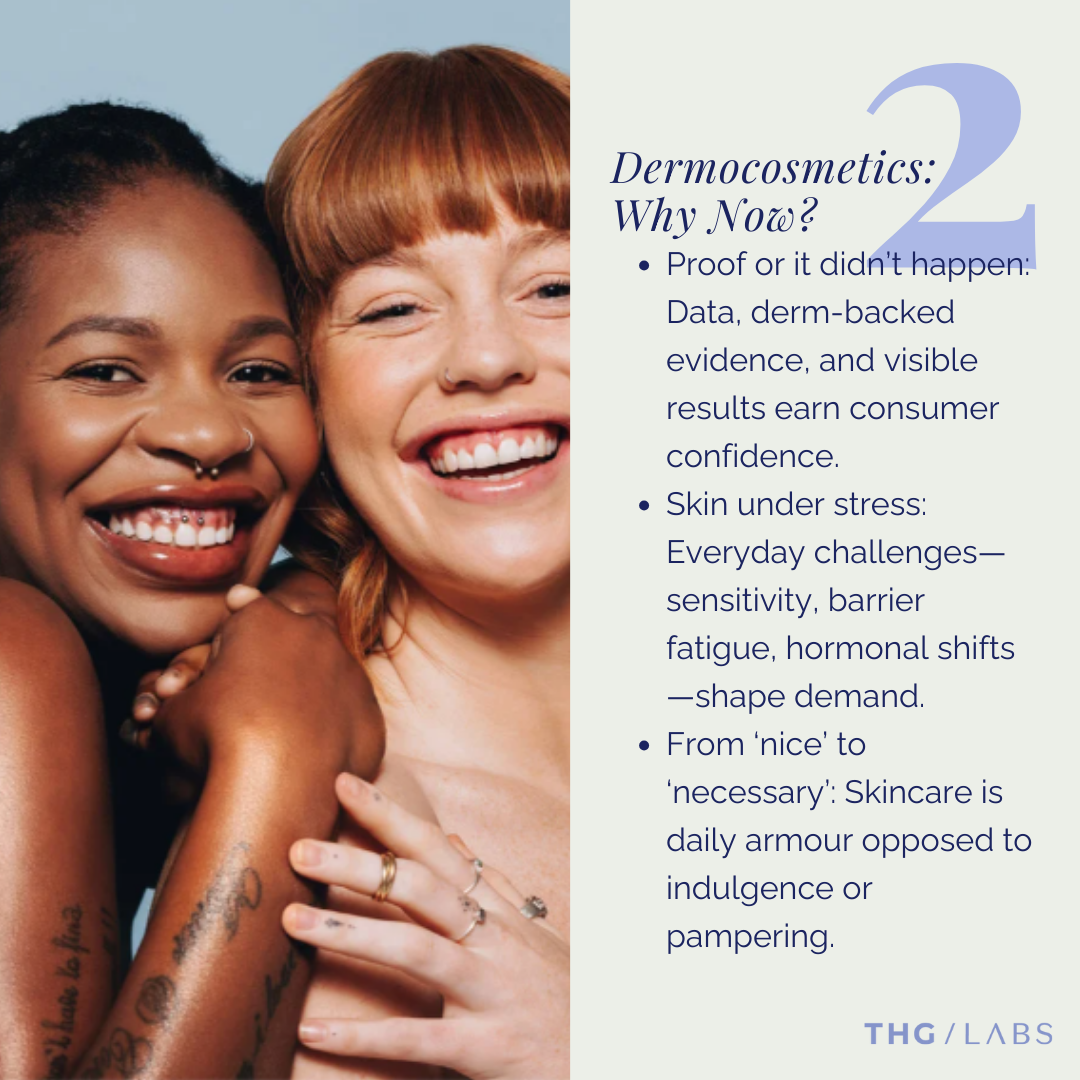
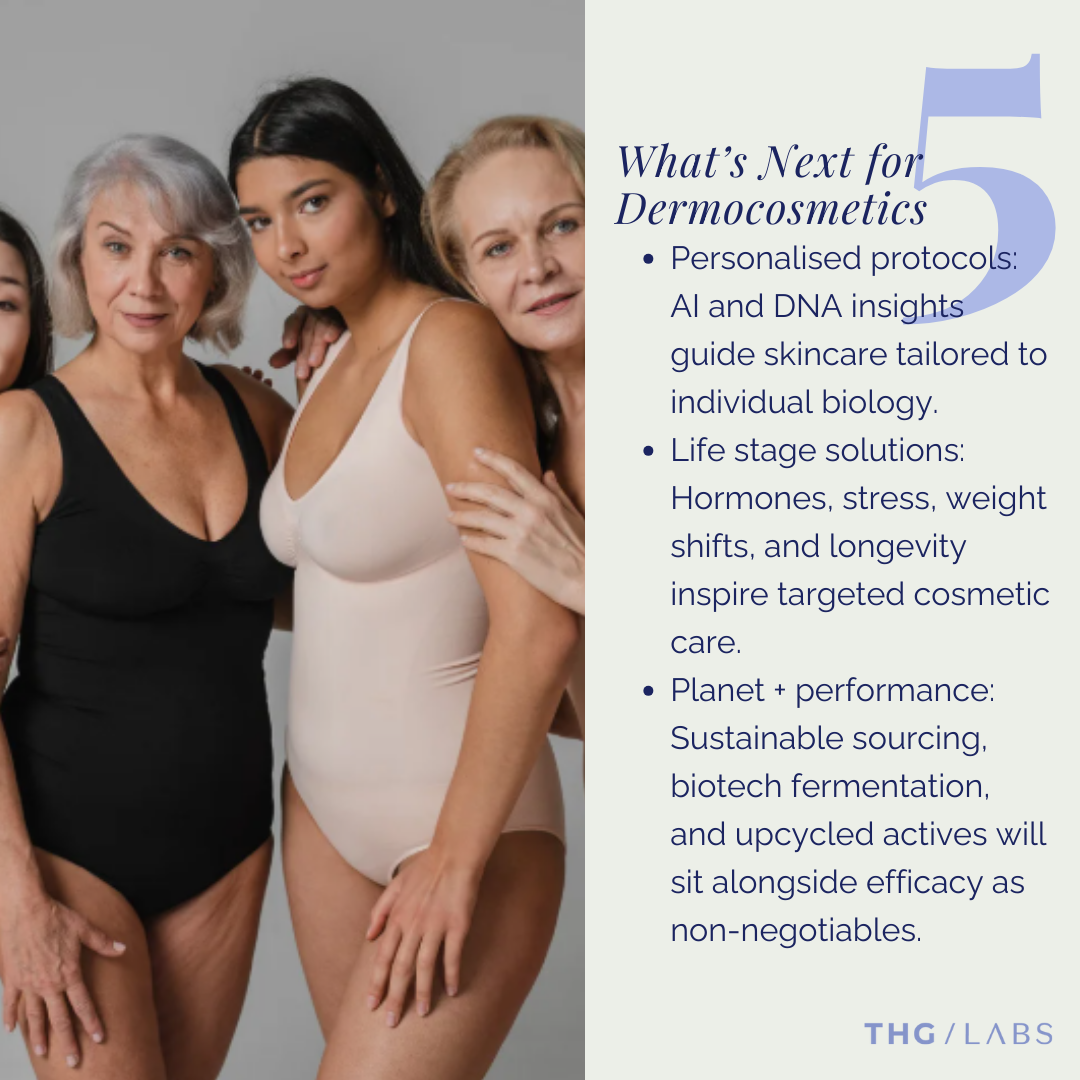
Dermocosmetics resonate with consumers seeking clarity, reassurance and results within a cosmetic framework. Rising lifestyle stress, hormonal shifts, sensitivity and environmental exposure are driving interest in products that support barrier comfort and overall skin wellbeing. This demand means dermocosmetics are migrating beyond pharmacy aisles and into mainstream beauty, supported by ingredient transparency and accessible scientific communication.
How Skin Science Is Influencing Product Development
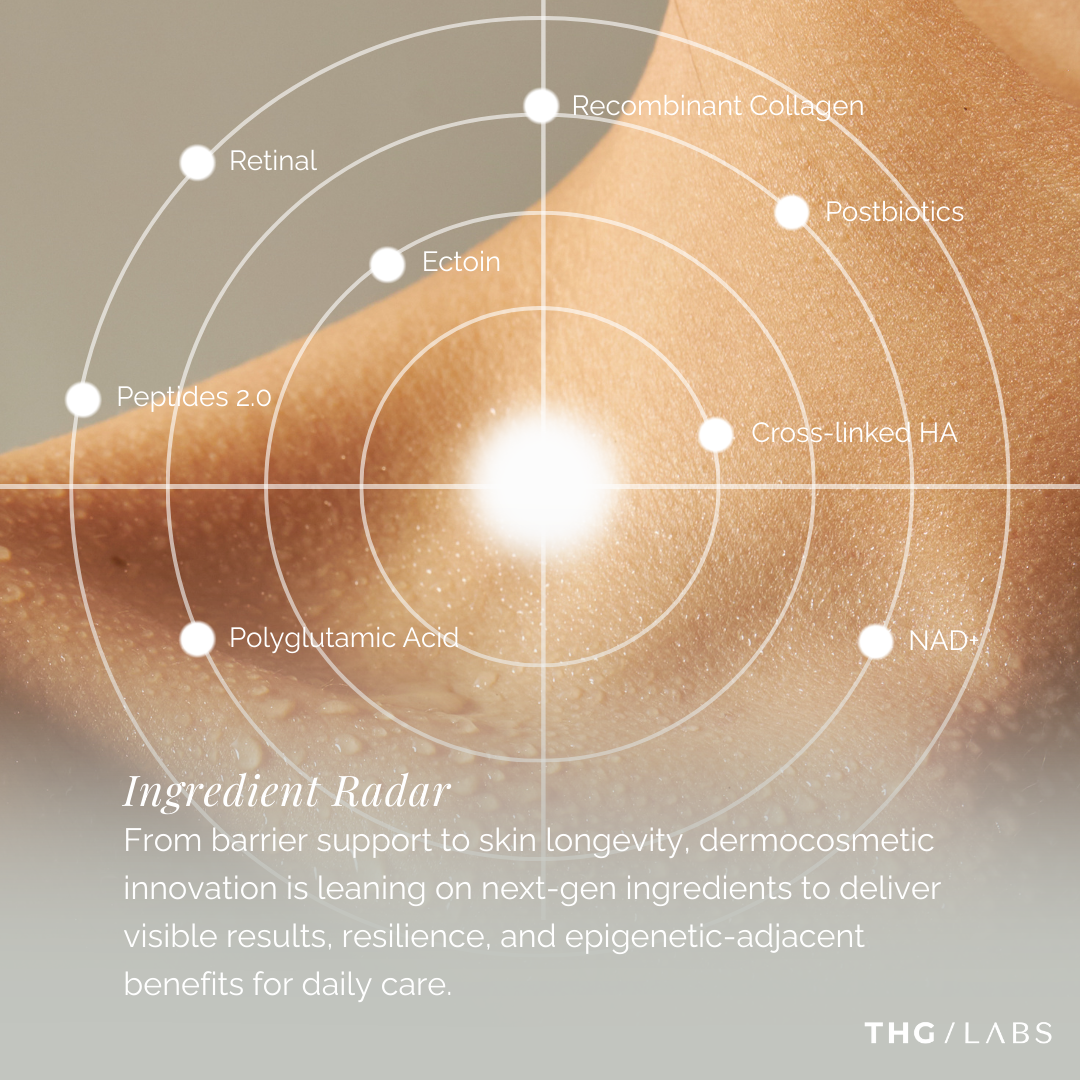
New ingredient technologies such as postbiotics, retinal, ectoin, recombinant collagen, NAD+ and refined hyaluronic acid systems are key players in future dermocosmetic formulations. These actives allow brands to build products that feel gentle yet technically advanced, meeting expectations for hydration, texture refinement and skin comfort without overstepping regulatory boundaries.
Where Brands Can Differentiate in a Crowded Market
Success in dermocosmetics lies in pairing credible science with sensorial elegance. Consumers want products that work seamlessly in everyday routines while feeling pleasant, calming and easy to use. Navigating this intersection requires strong formulation expertise, regulatory understanding and the ability to translate dermatological inspiration into accessible, consumer-ready innovations.