Blogs
Cosmetics Manufacturing
Corporate
R & D
Formulating
Innovation
Production
Regulatory Compliance
Sustainability
What High-Volume Beauty Brands Should Demand from a CMO: A Partner Checklist
What should high-volume beauty brands look for in a contract manufacturing organisation (CMO)? Emma Payne, Sales Director at THG LABS, shares an expert checklist covering the capabilities that matter when selecting a cosmetic manufacturer, including in-house formulation expertise, regulatory support, quality systems, technical feasibility, commercial scale-up, packaging and project management.
September 22, 2026
Emma Payne, Sales Director, THG LABS
Blogs
What High-Volume Beauty Brands Should Demand from a CMO: A Partner Checklist
What should high-volume beauty brands look for in a contract manufacturing organisation (CMO)? Emma Payne, Sales Director at THG LABS, shares an expert checklist covering the capabilities that matter when selecting a cosmetic manufacturer, including in-house formulation expertise, regulatory support, quality systems, technical feasibility, commercial scale-up, packaging and project management.
September 22, 2026
5 mins read
Emma Payne, Sales Director, THG LABS
- What High-Volume Beauty Brands Should Demand from a CMO: A Partner Checklist
- 1. Genuine Full-Service Capability
- 2. Formulation Depth Across Every Category You Need
- 3. Regulatory Expertise That Matches Your Market Ambitions
- 4. Stability and Quality Systems That Match Your Risk Profile
- 5. Production Scalability With Transparent Minimum Order Quantities
- 6. Packaging and Design Capability That Accelerates Launches
- 7. Communication and Project Management Infrastructure
- The Bottom Line
Choosing a contract manufacturing organisation (CMO) is one of the most consequential decisions a beauty brand will make. Get it right, and you gain a partner who accelerates your innovation pipeline, protects your brand equity, and scales with your ambitions. Get it wrong, and you're dealing with missed launch windows, compromised product quality, and regulatory headaches that can take years to resolve.
For high-volume brands operating at serious commercial scale or targeting it, the bar is higher still. Yes, you want production capacity but you're also choosing a strategic partner whose capabilities become, in effect, an extension of your own.
So what should your criteria be? Here is a definitive checklist from our Sales Director, Emma Payne:
1. Genuine Full-Service Capability
The most underappreciated quality in a CMO is integration. Too many manufacturers present themselves as full-service but rely on a patchwork of third-party suppliers, external testing labs, and outsourced regulatory consultants. The result is a fragmented process: slower timelines, blurred accountability, and more opportunities for things to go wrong.
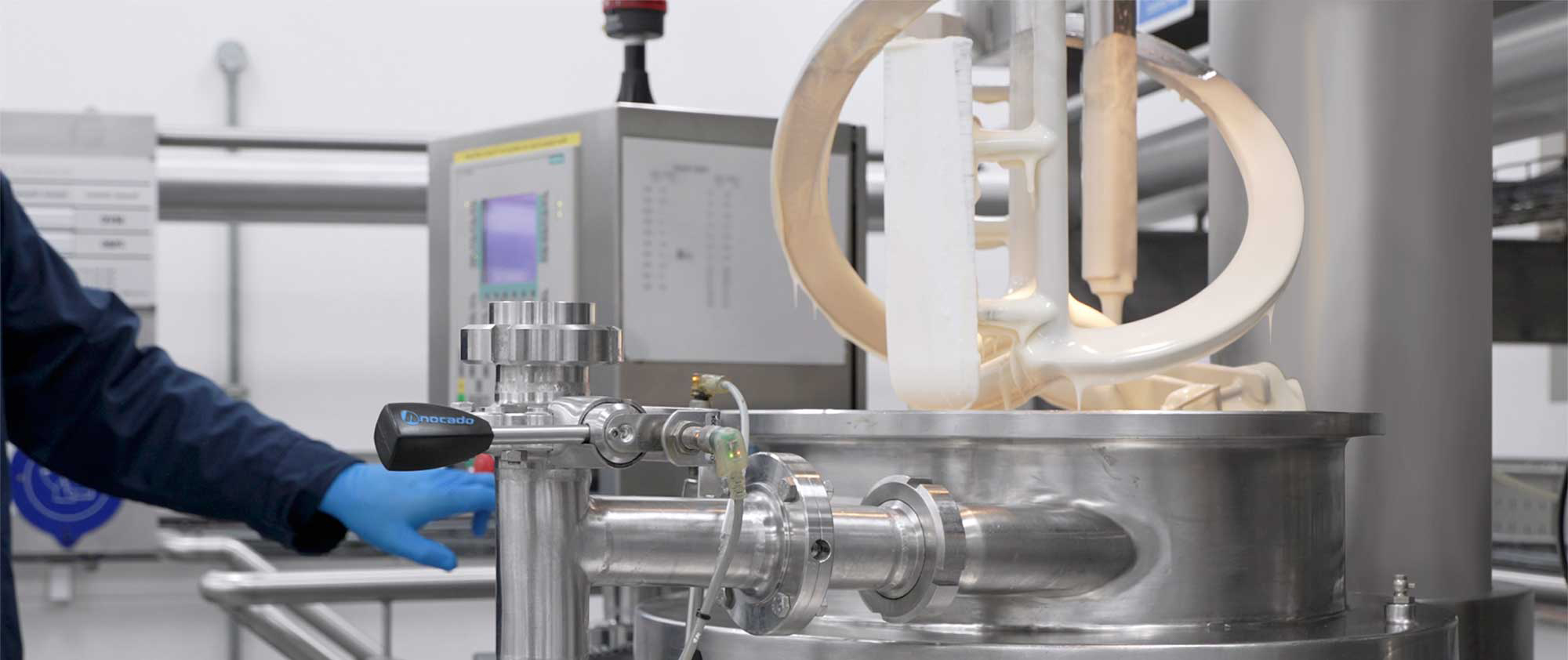
What full-service truly means is having R&D, regulatory affairs, packaging design, artwork management, compounding, and production all operating as a single connected team. When your formulator and your regulatory expert are in the same building, and talking to each other daily, compliance is built into the formulation process rather than being bolted on at the end. When your packaging designer and your production team share oversight, incompatibilities are caught before tooling is commissioned.
Ask any prospective cosmetic manufacturer to map exactly which capabilities are truly in-house. Then ask what happens when those functions need to communicate. The answer will tell you a great deal.
2. Formulation Depth Across Every Category You Need
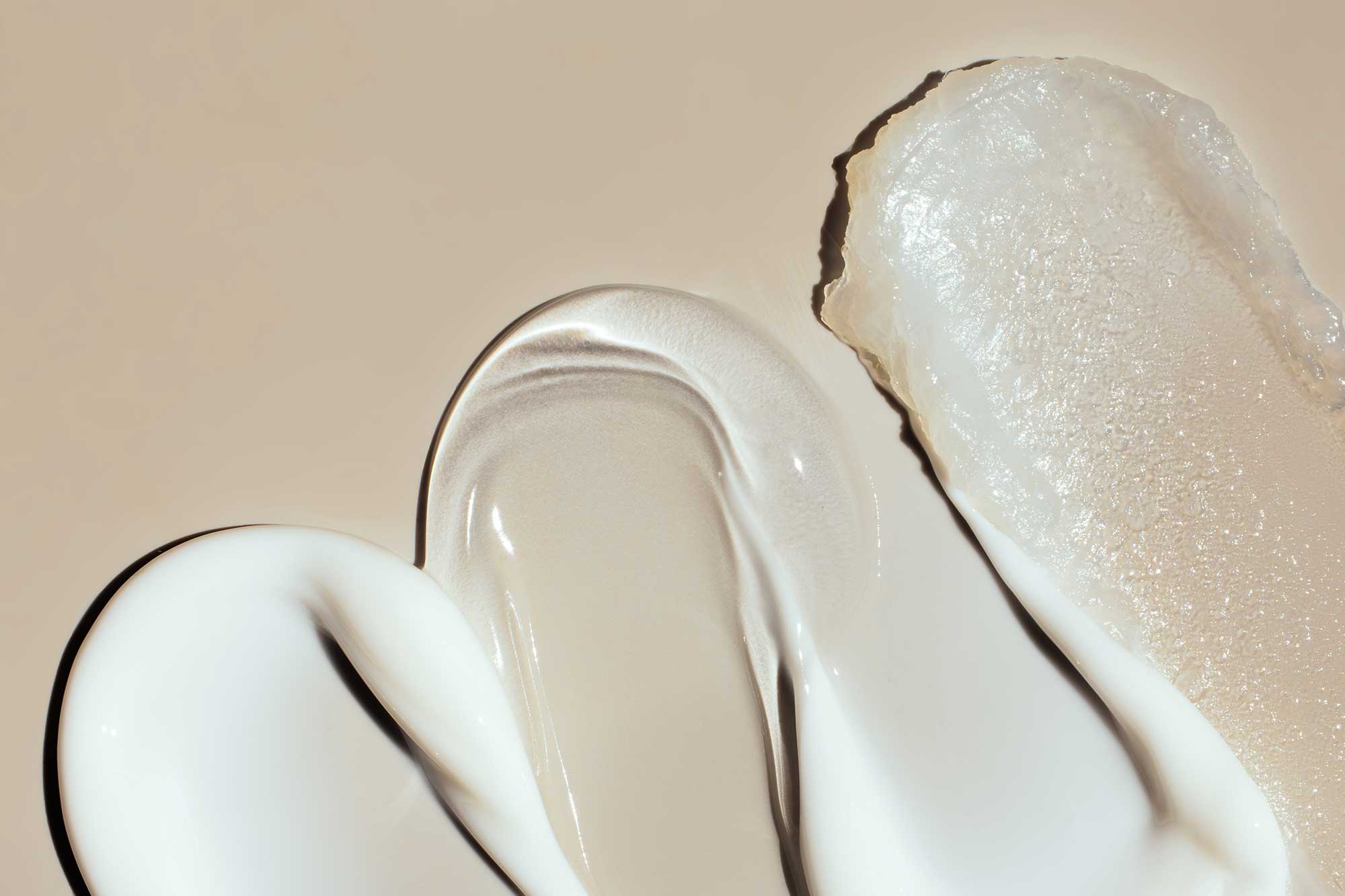
A manufacturer who is genuinely strong in skincare may have only superficial experience in haircare, SPF, or fragrance. At volume, that matters enormously. If your portfolio spans multiple categories, or if you have ambitions to extend it, you need a beauty manufacturer whose formulation expertise is broad and demonstrably deep.
Look for evidence beyond a category page on a website. Ask to speak with category-specific R&D leads. Understand their approach to emerging formulation frontiers: biotech ingredients, microbiome-conscious formulations, dermocosmetic standards, waterless formats. A manufacturer who is leading formulation thinking as opposed to merely executing it, will be a genuine asset as your category evolves.
3. Regulatory Expertise That Matches Your Market Ambitions
UK, EU, US, APAC, GCC… every market has its own regulatory framework. Territory divergence is a practical reality affecting ingredient permissibility, safety assessment requirements, and labelling obligations. If your brand has international ambitions, your manufacturer needs to be just as fluent across all relevant frameworks, as they are in their own domestic market.
The questions to ask are specific: Do they have Responsible Persons for the regions you want to launch in? Can they manage CPSR processes internally? Do they have experience with claim substantiation across different jurisdictions? How do they handle ingredient restrictions that differ between markets?
Regulatory failure at volume has significant and wide-reaching consequences.
4. Stability and Quality Systems That Match Your Risk Profile
Every reputable manufacturer will tell you they run stability testing. The meaningful questions are about what that programme actually looks like. What conditions do they test? ICH guidelines cover accelerated, intermediate, and long-term protocols. Are all three applied as standard? What is their typical timeline for stability sign-off, and how do they handle iterations when a formula fails?
Beyond stability, look at quality management infrastructure more broadly. ISO 22716 certification (Good Manufacturing Practice for cosmetics) should be a baseline expectation, not a differentiator. Ask about their deviation management process, their approach to raw material qualification, and their batch release procedures. For high-volume production, even small systemic quality gaps can have significant commercial consequences.
5. Production Scalability With Transparent Minimum Order Quantities
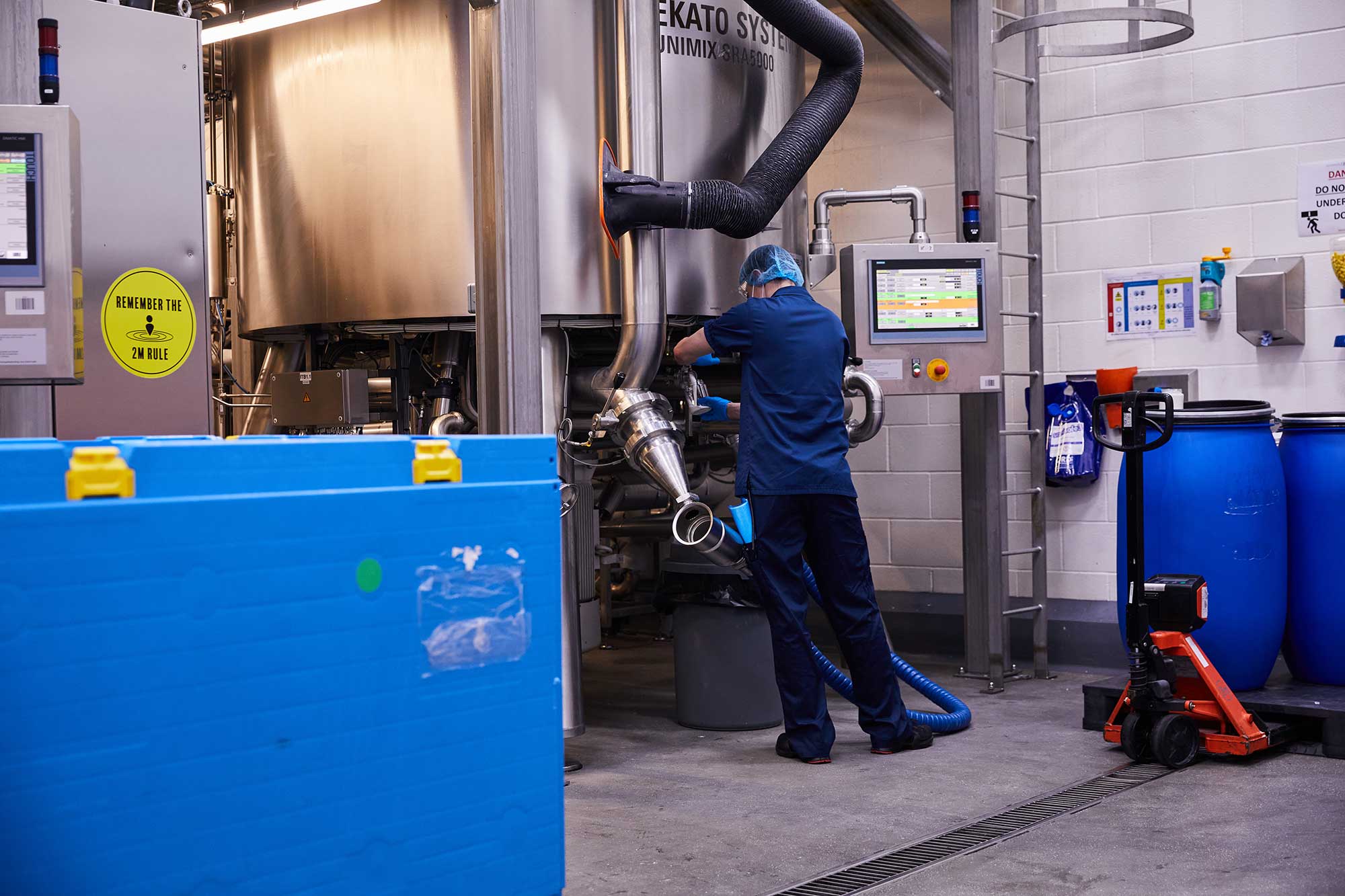
Producing a successful pilot batch is the easy part. The real test is whether it be scaled reliably by maintaining formulation consistency, sensory profile, and regulatory compliance at full commercial volumes. Ask to understand not just the manufacturer’s current capacity but how they manage scale-up. What does their compounding equipment range look like? Can they handle both small prestige runs and mass-market volumes? How do they ensure consistency across large batches?
This is where a robust feasibility process becomes critical. Scale-up should bring together cross-functional expertise across R&D, Process, Packaging, Production and Quality to sense-check how a product will behave beyond the lab. Pilot and filling trials provide an opportunity to identify potential issues with processing, filling, packaging compatibility and manufacturing parameters before full-scale production begins.
And feasibility should not stop at launch. If demand increases or promotional volumes require a product to move, for example, from a 500kg batch to a 5-tonne batch, the same disciplines need to be applied again. Changes in batch size, equipment and processing conditions can all influence how a formulation behaves. A strong manufacturing partner will assess those variables before increasing production, helping protect consistency and quality as volumes grow.
It’s equally important to be explicit about minimum order quantities. It’s normal for manufacturers to set MOQs that make sense for their production economics. A good partner will be transparent about where their MOQ thresholds sit and why.
6. Packaging and Design Capability That Accelerates Launches
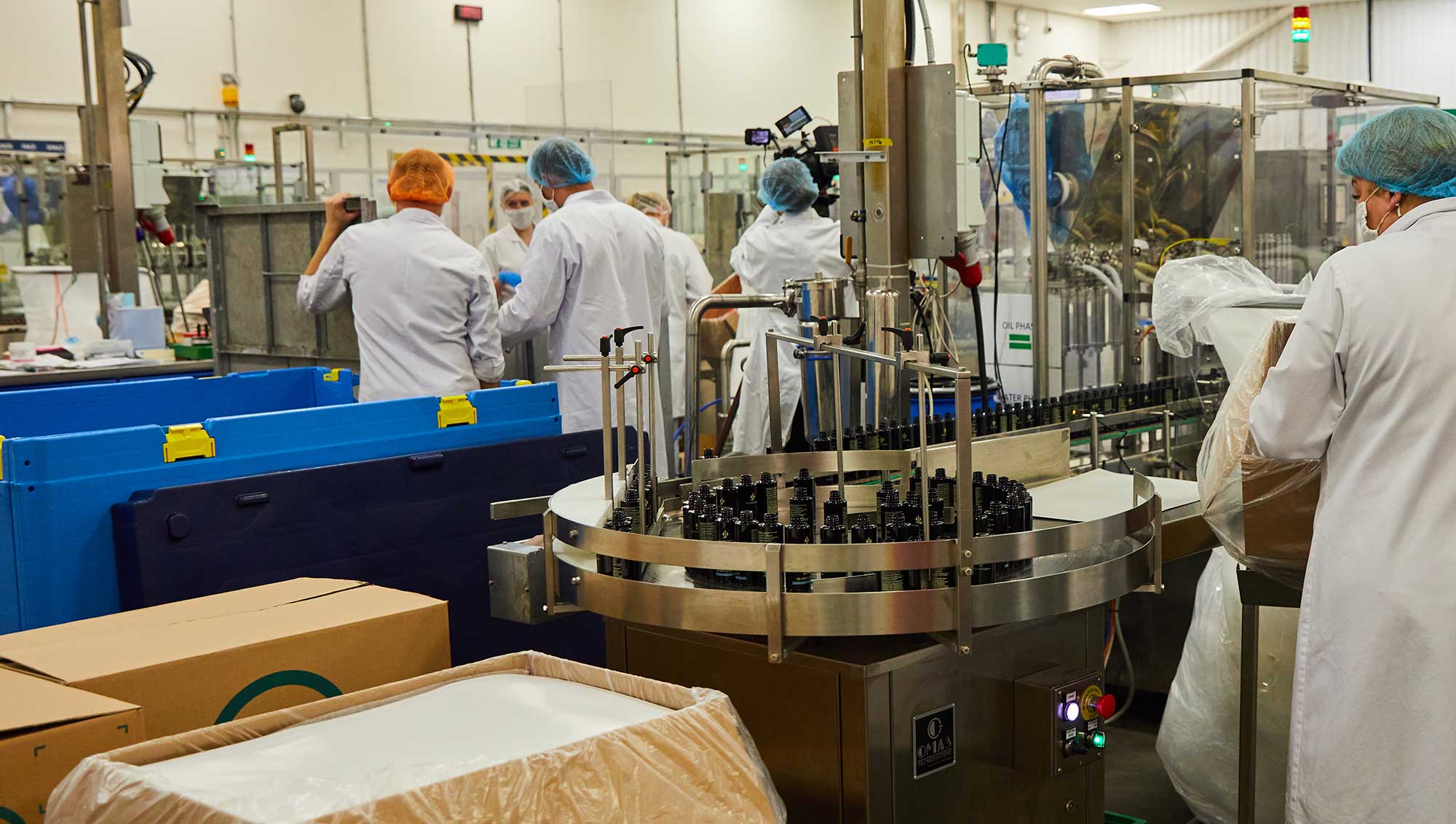
A cosmetic manufacturer with genuine in-house packaging, design, and artwork capability can dramatically compress your route to market. When packaging specialists, formulation chemists, and production engineers work together from brief, you avoid the classic failure of beautiful packaging that is technically incompatible with the formula it needs to contain.
Ask whether their packaging team works across primary and secondary packaging, whether they have experience with sustainable material innovation, and whether their artwork studio manages multilingual regulatory artwork for international markets. These can often become launch critical details.
7. Communication and Project Management Infrastructure
A beauty manufacturer’s technical capability matters enormously. So does their ability to manage a complex project across multiple workstreams, communicate clearly at every stage, and flag problems early rather than late. Ask how they structure client relationships. Is there a dedicated account lead? How are formulation milestones communicated? What does their project management system look like?
The best relationships operate as genuine partnerships, with transparency on both sides and a shared commitment to solving problems collaboratively.
The Bottom Line
The right beauty manufacturer will protect your brand, accelerate your innovation, and scale with your ambitions.
Brands are choosing a partner who will carry significant responsibility for product quality, regulatory standing, speed to market, and ultimately brand reputation. The checklist above is a starting point for that assessment but the real test is always in the detail of the conversation.
Explore specifics. Ask for evidence. Talk to the people who will actually work on your account. A manufacturer who is genuinely equipped to serve high-volume brands will welcome that scrutiny.