Blogs
Bodycare
Cosmetics Manufacturing
Innovation
R & D
Trends and Innovation
Sustainability
Formulating
2026 Body Care Report Q&A – Part 2
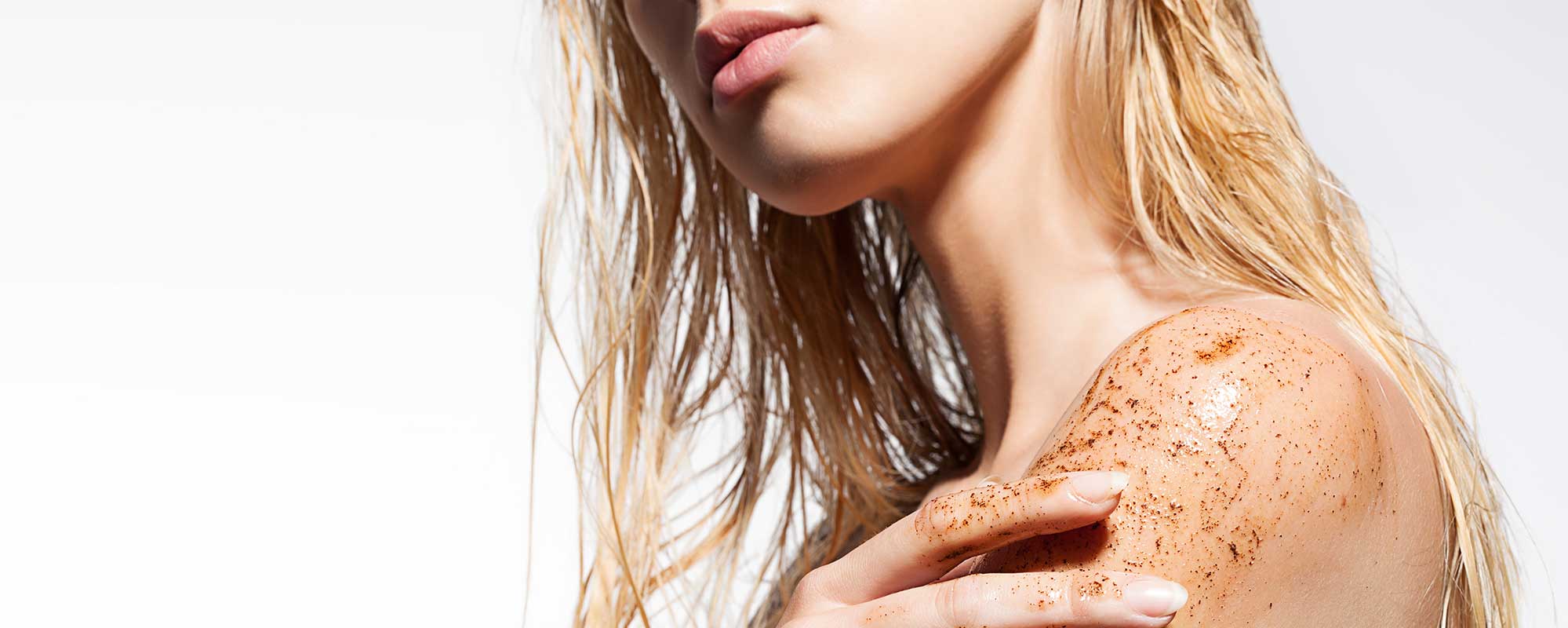
How does formulation science influence the sensory experience of body care? Dr Catherine Leray, Account Head of R&D at THG LABS, discusses the role of texture, fragrance, absorption and skin feel in cosmetic product development, exploring how brands can combine effective formulations with distinctive sensorial experiences.
October 22, 2026
Dr. Catherine Leray , Account Head of R&D at THG LABS
Blogs
2026 Body Care Report Q&A – Part 2
How does formulation science influence the sensory experience of body care? Dr Catherine Leray, Account Head of R&D at THG LABS, discusses the role of texture, fragrance, absorption and skin feel in cosmetic product development, exploring how brands can combine effective formulations with distinctive sensorial experiences.
October 22, 2026
6 mins read
Dr. Catherine Leray , Account Head of R&D at THG LABS
- 2026 Body Care Report Q&A – Part 2
- Q1. Why does sensory matter so much in body care?
- Q2. Can texture help communicate what a body care product does?
- Q3. How do you create a signature sensory experience for a brand?
- Q4. Is fragrance still important in performance-led body care?
- Q5. How do you balance efficacy and indulgence in body care?
DR CATHERINE LERAY: THE SCIENCE OF SENSORIALITY
Texture, absorption, fragrance and after-feel all influence how consumers experience body care products, making sensorial performance an important consideration in cosmetic formulation and product development.
Dr Catherine Leray, Account Head of R&D at THG LABS, explores the formulation science behind sensorial body care, examining how texture and fragrance shape product perception, support brand identity and encourage regular use. Drawing on her R&D expertise, Catherine explains how formulators approach the balance between cosmetic efficacy and sensory appeal, and how brands can develop recognisable product experiences that resonate with their consumers.
Q1. Why does sensory matter so much in body care?
Body care involves substantial physical interaction with the formulation as it is experienced over a large area of skin, often every day so the experience really matters. How easily a product spreads, how quickly it absorbs and how the skin feels afterwards all influence how we perceive the product and whether we enjoy using it enough to make it part of our routine. Sensory is as much about how performance is experienced as it is about making a product feel beautiful.
Q2. Can texture help communicate what a body care product does?
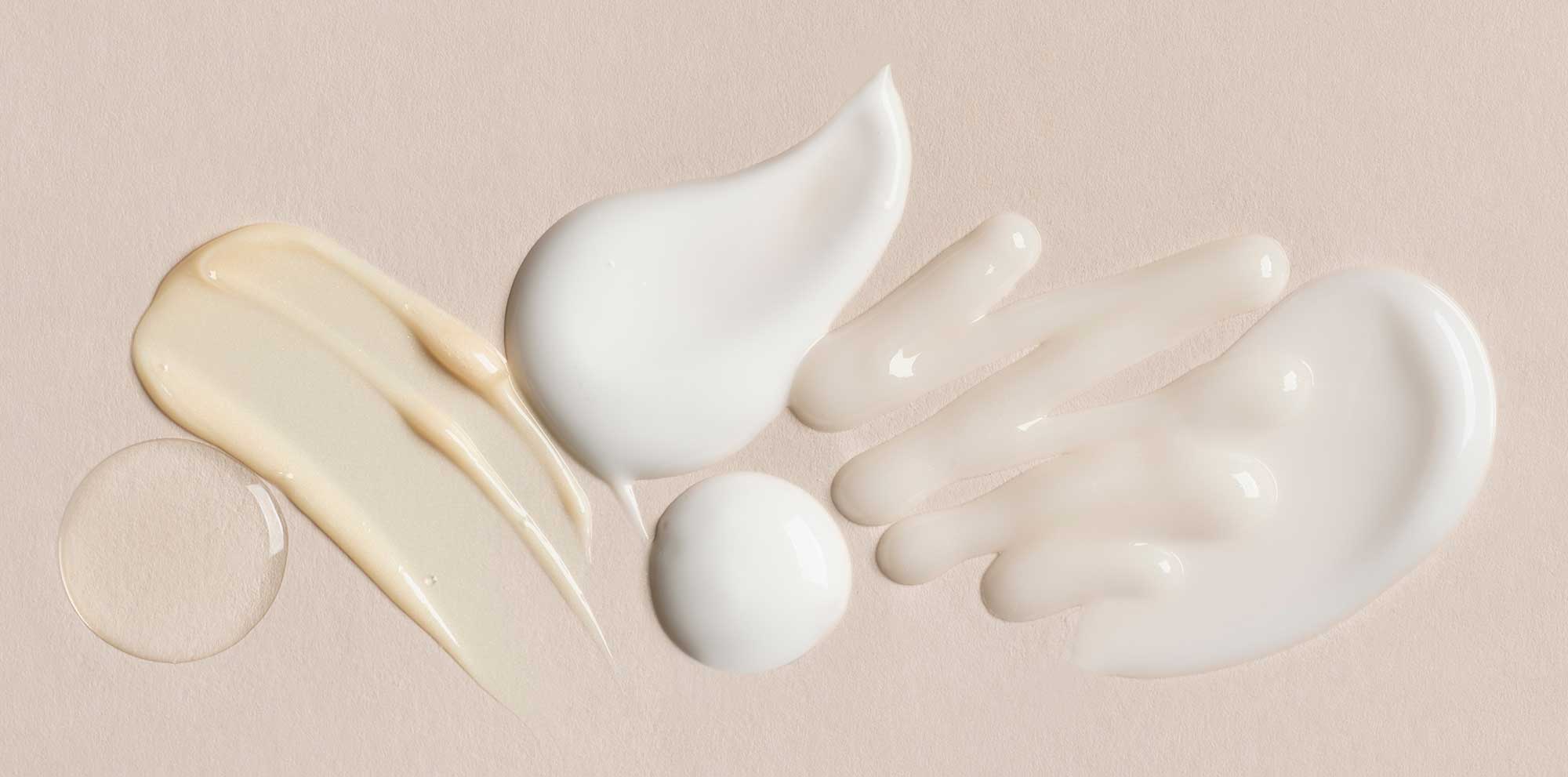
Absolutely. Texture sets expectations before the product has had time to deliver its benefits. A lightweight serum can suggest precision, while a rich cream signals comfort and nourishment. We also take inspiration from food, with textures such as whipped creams, sorbets and melting butters drawing on familiar sensory associations. These cues influence how we anticipate a product will feel and perform, so the challenge is to make sure the texture reinforces the benefits the formulation is designed to deliver.
Q3. How do you create a signature sensory experience for a brand?
It starts with understanding the experience the brand wants to create. We look at the whole journey, from the product's appearance and how it comes out of the pack to how it spreads, transforms on the skin and feels afterwards. Fragrance plays a part too, as do details such as the sound of dispensing. These different cues work together to shape our perception of a product. There is also plenty of inspiration to take from spa treatments, where the product is part of the ritual, not just a means of delivering a benefit.
Q4. Is fragrance still important in performance-led body care?
Yes, but its role depends on the product and the consumer. Smell is closely linked to memory and emotion, so fragrance can make application something to look forward to and help turn a daily routine into a moment of enjoyment. It can also reinforce the character of a product, whether that's fresh and energising or rich and comforting. But fragrance isn't always the answer. For products designed with sensitive skin in mind, a fragrance-free approach may be more appropriate.
Q5. How do you balance efficacy and indulgence in body care?
I don't see them as opposing ideas. We need to develop a formula that delivers the intended benefit but also think about how people will use it in practice. A texture that spreads easily, absorbs as expected and leaves the skin feeling good can make someone more inclined to use the product regularly. Sensory appeal cannot replace efficacy, but when both come together, we have a product that performs and that people genuinely want to use so supporting long term efficacy.

For a deeper dive on this and other factors impacting the future direction of body care, check out our latest report.

Dr. Catherine Leray
Account Head of R&D, THG LABS
With over 20 years in the beauty industry, Dr Catherine Leray , Account Head of Research & Development at THG LABS, is passionate about the science behind truly effective cosmetic products. Specialised in skincare and haircare, she enjoys turning research into practical solutions that deliver tangible results, developing products with proven benefits without overlooking the importance of sensorial experience. Her work is driven by a deep understanding of consumer needs and the scientific principles that make effective formulation possible.