Blogs
2026 Body Care Report Q&A – Part 4
What makes a bespoke body care formulation distinctive? Marcia Pinto, Innovation Chemist at THG LABS, explores how customised textures, ingredient strategies and sensorial properties can translate a brand's identity into a differentiated cosmetic product, highlighting the value of tailored formulation in body care development.
October 22, 2026
Marcia Pinto, Innovation Chemist, THG LABS

Blogs
2026 Body Care Report Q&A – Part 4
What makes a bespoke body care formulation distinctive? Marcia Pinto, Innovation Chemist at THG LABS, explores how customised textures, ingredient strategies and sensorial properties can translate a brand's identity into a differentiated cosmetic product, highlighting the value of tailored formulation in body care development.
October 22, 2026
5 mins read
Marcia Pinto, Innovation Chemist, THG LABS
- 2026 Body Care Report Q&A – Part 4
- Q1. How can a brand create a body care product that feelsgenuinely distinctive?
- Q2. Why is bespoke formulation particularly valuable in body care?
- Q3. How much difference can texture really make to a product proposition?
- Q4. How do you translate a brand identity into a formulation?
- Q5. Does bespoke always mean complex?
MARCIA PINTO: BESPOKE BODY CARE
Developing a distinctive body care product starts with understanding how formulation can express a brand's identity, meet specific consumer needs and deliver a recognisable experience. From ingredient selection and texture to fragrance, performance and application, every element contributes to the finished product proposition.
Marcia Pinto, Innovation Chemist at THG LABS, explores the value of bespoke body care formulation and the scientific and creative considerations involved in developing products around an individual brand brief. Drawing on her expertise in cosmetic formulation, Marcia discusses how tailored textures, sensory profiles and ingredient strategies can help beauty brands achieve meaningful product differentiation while remaining focused on the intended consumer experience.
Q1. How can a brand create a body care product that feels
genuinely distinctive?
Distinctiveness needs to be built into the brief.
We look at the target consumer, desired benefit, claim territory, format, ingredient story, texture, fragrance and price positioning together. Each of those elements should support the same overall product idea.
A lightweight daily treatment should not feel interchangeable with a rich restorative cream or an evening ritual product.
Bespoke formulation gives brands the freedom to shape that complete experience rather than adapting their proposition around an existing base.
Q2. Why is bespoke formulation particularly valuable in body care?
Body care gives formulators a broad sensory palette to work with.
Viscosity, richness, slip, playtime, absorption, fragrance delivery and after-feel all influence the consumer experience. That creates many opportunities to build something recognisable to the individual brand.
When the formula is developed around the specific brief, sensory can be considered alongside ingredients, claims and positioning.
The result has a greater chance of feeling coherent and proprietary rather than familiar or generic.
Q3. How much difference can texture really make to a product proposition?
A great deal.
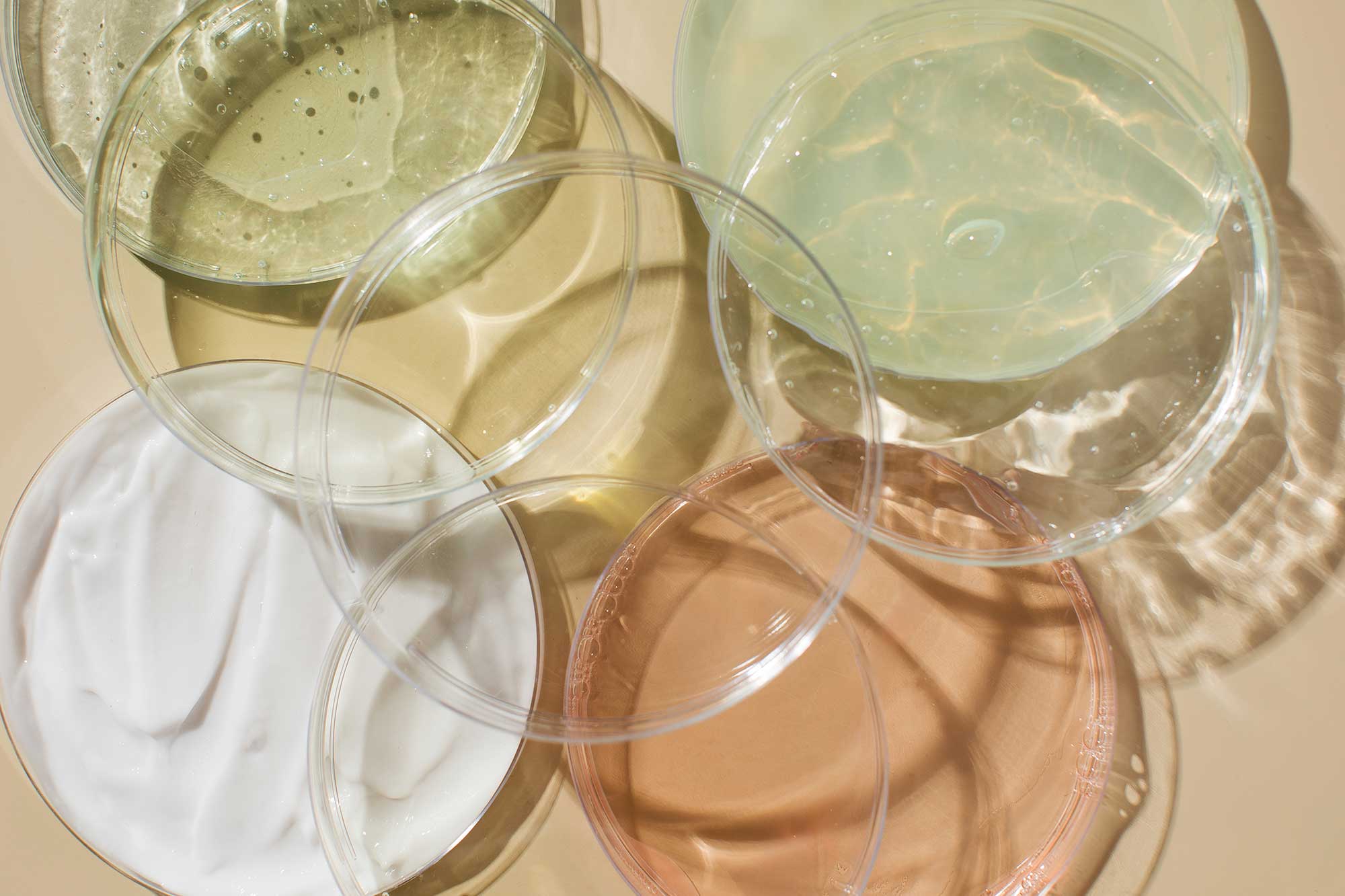
Texture starts communicating before the consumer has had time to assess longer-term efficacy. It tells them whether a product feels treatment-led, comforting, indulgent, lightweight, restorative or designed for speed and convenience.
Those cues influence expectation and repeat use.
That is why texture should be treated as part of the product strategy rather than simply an aesthetic finishing touch.
Q4. How do you translate a brand identity into a formulation?
We start by understanding what the brand wants the consumer to experience.
That might include how quickly the product should absorb, whether it should feel rich or weightless, how prominent fragrance should be, what finish should remain on the skin and what type of ritual the product is intended to create.
Those choices can then guide formulation decisions.
The strongest bespoke products feel consistent with the wider brand because performance, sensory and proposition have been developed with the same consumer experience in mind.
Q5. Does bespoke always mean complex?
No.
Some of the strongest product ideas are remarkably focused.
Bespoke means that the formulation has been developed around the specific needs of the brief. Sometimes that involves complex active systems or unusual textures. In other cases, the challenge is creating something beautifully simple with exactly the right sensory profile and performance.
Complexity only adds value when it serves the product proposition.
For a deeper dive on this and other factors impacting the future direction of body care, check out our latest report.