Blogs
Suncare
SPF
Skincare
Formulating
Cosmetics Manufacturing
Trends and Innovation
Developing High-Performance SPF: Formulation, Testing and Commercial Scale
Developing a high-performing SPF product brings together formulation science, UV protection, sensory design, testing, regulatory strategy, packaging and manufacturing. Account Head of R&D for Suncare, Roger Rowson, explores some of the technical considerations behind modern sunscreen development and how THG LABS’ specialist Suncare team supports brands in creating SPF products designed for performance, consumer appeal and commercial scale.
October 13, 2026
Roger Rowson , Account Head of R&D, THG LABS

Blogs
Developing High-Performance SPF: Formulation, Testing and Commercial Scale
Developing a high-performing SPF product brings together formulation science, UV protection, sensory design, testing, regulatory strategy, packaging and manufacturing. Account Head of R&D for Suncare, Roger Rowson, explores some of the technical considerations behind modern sunscreen development and how THG LABS’ specialist Suncare team supports brands in creating SPF products designed for performance, consumer appeal and commercial scale.
October 13, 2026
10 mins read
Roger Rowson , Account Head of R&D, THG LABS
- Developing High-Performance SPF
- Developing High-Performance SPF: Formulation, Testing and Commercial Scale
- Why is SPF formulation so technically demanding?
- How are UV filters selected for an SPF formulation?
- Why does film formation matter in sunscreen performance
- Can high SPF and sophisticated sensory performance coexist?
- Creating an invisible finish
- Managing texture and after-feel
- Building additional skincare benefits
- How does in-house testing support SPF formulation development?
- How does THG LABS use Labsphere in SPF development?
- Why should regulatory strategy begin early in SPF development?
- Why should packaging be considered alongside the SPF formula?
- What happens when an SPF moves out of the development lab?
- What should brands consider when developing a new SPF product?
Developing High-Performance SPF: Formulation, Testing and Commercial Scale
Suncare is one of the most technically demanding categories in beauty. A successful SPF product needs to provide robust UV protection while delivering the texture, finish and application experience consumers expect from modern skincare. At the same time, it has to remain stable, work with its chosen packaging, satisfy market-specific regulatory requirements and translate successfully from laboratory development into commercial manufacture.
At THG LABS, our specialist Suncare Development Team works alongside Product, Regulatory, Packaging, Testing and Manufacturing teams, so these considerations are addressed as part of a connected development process. In this article, Account Head of R&D for Suncare, Roger Rowson, explores some of the technical considerations behind modern sunscreen development.
Why is SPF formulation so technically demanding?
The performance of a sunscreen cannot be attributed to its UV filters alone.
Filter selection is fundamental, but SPF performance is also influenced by the wider formulation architecture: how filters are solubilised or dispersed, the emulsion system, rheology, film formation, ingredient interactions, photostability and how evenly the finished product distributes across the skin.
Small formulation changes can affect several of these characteristics simultaneously.
For us as formulators, the challenge is therefore to build a system in which protection, stability and consumer experience work together. This becomes particularly significant at higher SPF levels, where substantial UV-filter systems still need to translate into products consumers are happy to apply generously and regularly.
How are UV filters selected for an SPF formulation?
Different UV filters offer different absorption profiles across the UVA and UVB spectrum. We build filter systems according to the protection profile, format, sensory requirements and regulations of the markets specified in the brief.
Selection cannot be made purely on performance. Solubility, compatibility with other ingredients, photostability, desired texture and finish, and permitted use within target territories all influence the formulation strategy.
Regulation is particularly important because the UV filters and sunscreen active ingredients available to formulators vary considerably between markets.
In the UK and EU, sunscreens are regulated as cosmetics. In the U.S., sunscreens are regulated as over-the-counter drugs and operate within a different active ingredient framework. In June 2026, the FDA added bemotrizinol to its OTC sunscreen monograph, the first new sunscreen active ingredient added to the monograph since the late 1990s.
For brands with international ambitions, this is one reason why target markets should form part of the original product brief. A formula developed around one regulatory framework may not translate directly into another.

Why does film formation matter in sunscreen performance
One of the most crucial considerations in sunscreen formulation is what when the product is applied to the skin.
For UV filters to perform effectively, the formulation needs to distribute appropriately across the application area. Rheology, spreadability, drying time and film formation can all influence that process.
Our Suncare R&D team therefore considers how a prototype flows and spreads, how quickly it settles on the skin and the characteristics of the film it creates.
Film-forming systems can also become particularly relevant in products designed to support water and sweat-resistance claims.
This is where formulation science and consumer behaviour become closely connected. The technical performance of a sunscreen matters, but so does creating a product consumers can apply easily and consistently. The best SPF product is always one that consumers want to use.
Can high SPF and sophisticated sensory performance coexist?
This is one of the defining formulation challenges in contemporary suncare.
We’re seeing consumers wanting daily SPF to behave like premium skincare: lightweight textures, rapid absorption, minimal tack, comfortable wear, compatibility with make-up and an elegant finish on the skin. For formulators, each of those requirements can introduce another variable into an already complex system.
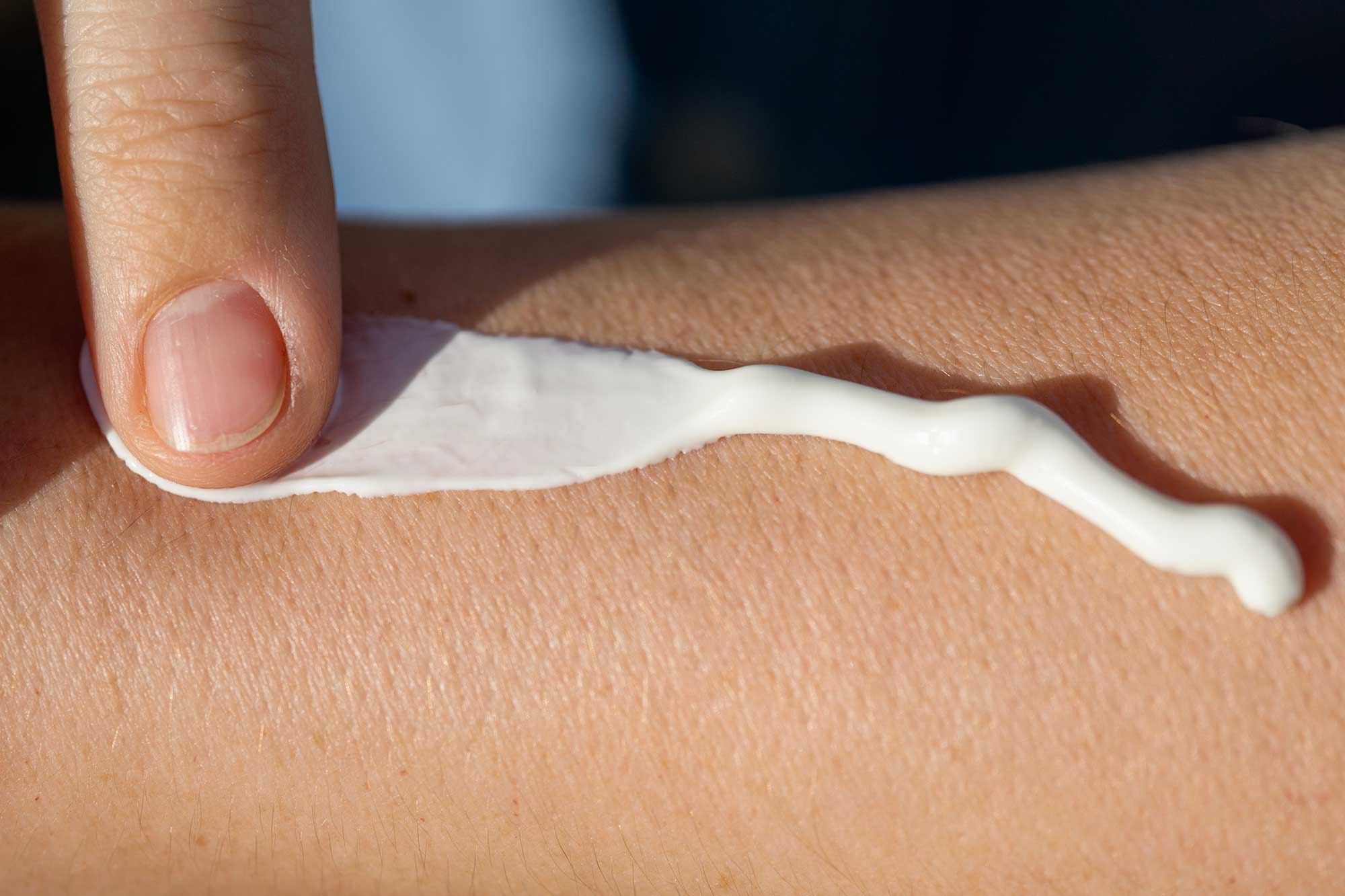
Creating an invisible finish
Visible residue or white cast can create an obvious barrier to use, particularly across darker skin tones.
Filter selection and dispersion are important, but the final appearance also depends on the wider formulation system and how the product behaves as it is spread across the skin.
Creating SPF products for a broad range of skin tones therefore requires aesthetic performance to be considered alongside protection throughout development.
Managing texture and after-feel
Rheology affects much more than how a sunscreen looks in its pack. Drag, slip, absorption, greasiness, tack, pilling and after-feel can all influence the application experience. The way a formula behaves alongside serums, moisturisers and make-up can also become particularly important for daily facial SPF.
Sensory design is therefore a genuine development parameter rather that we build in from the start.
Building additional skincare benefits
SPF is increasingly being integrated into broader skincare routines, creating opportunities for formulations that combine sun protection with complementary cosmetic benefits.
Hydration, barrier-support positioning and antioxidant ingredients may all form part of the brief depending on the product and intended claims, however the priority remains building these benefits around the fundamental requirements of the sunscreen rather than compromising UV performance in pursuit of a longer ingredient story.
How does in-house testing support SPF formulation development?
Testing becomes especially valuable when it is integrated into formulation development rather than treated purely as the final stage before launch.
Sunscreen prototypes often go through multiple iterations. Adjusting a filter system, emollient, rheology modifier or another part of the formulation can alter the way the product performs. Generating data during development allows formulators to investigate those changes and use the findings to inform subsequent prototypes.
The international SPF testing landscape has also continued to develop. ISO 23675:2024 introduced an in-vitro method for determining static SPF for applicable sunscreen formulations, while ISO 23698:2024 established a hybrid method using diffuse reflectance spectroscopy to characterise SPF, UVA protection and critical wavelength. ISO 24443, covering in-vitro UVA photoprotection, was amended in 2026.
The appropriate testing pathway still depends on the individual product, claims and markets involved.
How does THG LABS use Labsphere in SPF development?
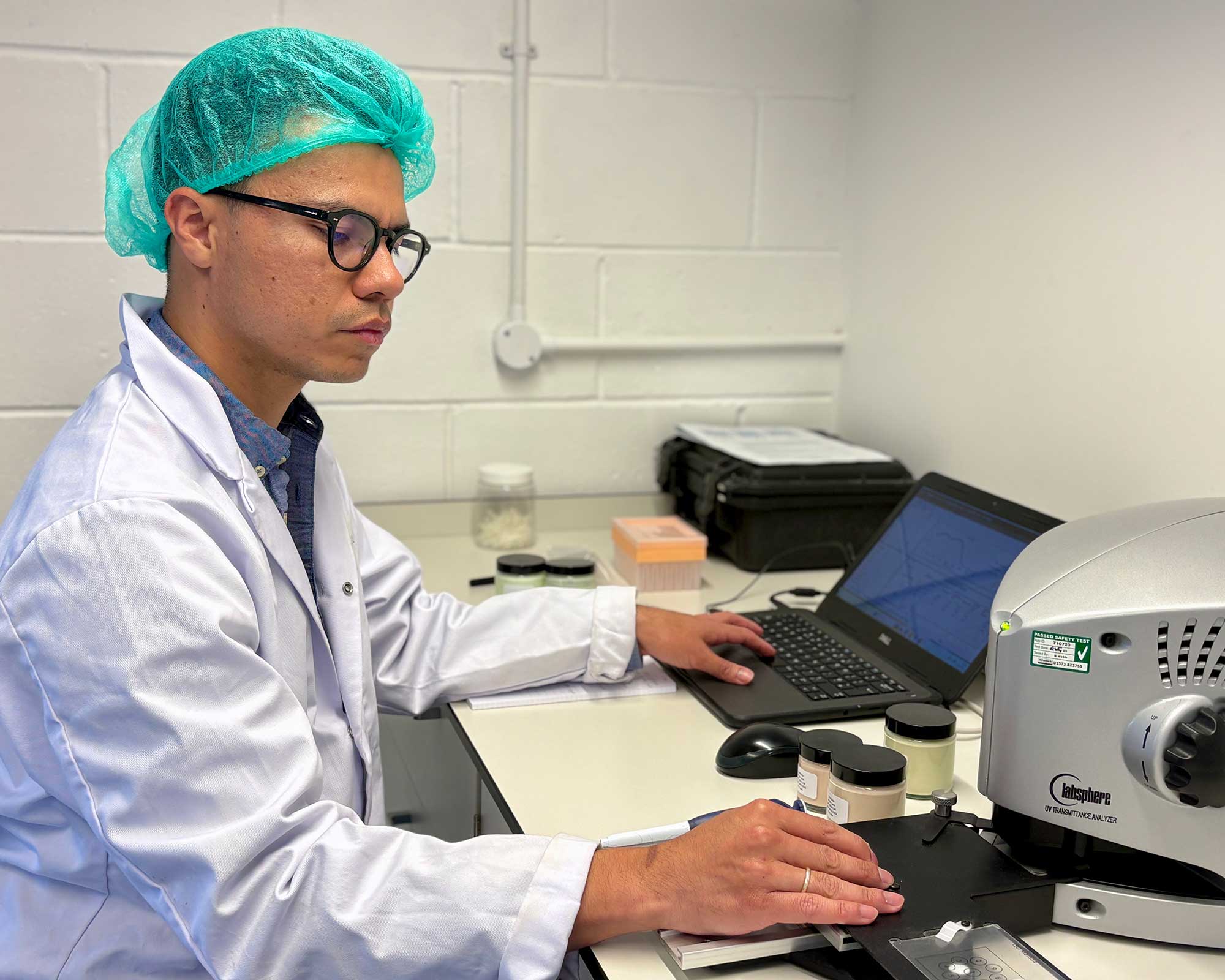
Our in-house testing capability includes Labsphere's UV-2000 Ultraviolet Transmittance Analyzer, giving our Suncare chemists an additional source of performance data during formulation development.
The technology enables spectral transmittance measurements of sunscreen samples in vitro, helping our team investigate UVA and UVB performance profiles as prototypes develop.
For our formulators, its value lies in the feedback loop it creates. Prototype iterations can be screened and compared, giving chemists additional data to inform decisions around filter systems and formulation adjustments before products progress into the appropriate formal claim-substantiation programme.
It does not replace the external testing required to substantiate finished-product SPF claims. Instead, it strengthens the development process by giving our R&D team greater visibility while the formula is still being optimised.
Why should regulatory strategy begin early in SPF development?
SPF development becomes considerably more complex when a product is intended for multiple international markets.
Classification, permitted UV filters, concentrations, testing requirements, manufacturing standards, labelling and claims can all vary.
In Australia, for example, sunscreens whose primary purpose is UV protection are generally regulated as therapeutic goods, while certain secondary sunscreens fall outside that framework.
That means the question “where will this product be sold?” can have direct implications for the formulation itself. Bringing Regulatory expertise into the development process early allows brands to understand the pathway associated with their intended markets before major formulation and testing decisions have been locked in.
For a deeper look at this area, explore our guide to navigating global sunscreen compliance.
Why should packaging be considered alongside the SPF formula?
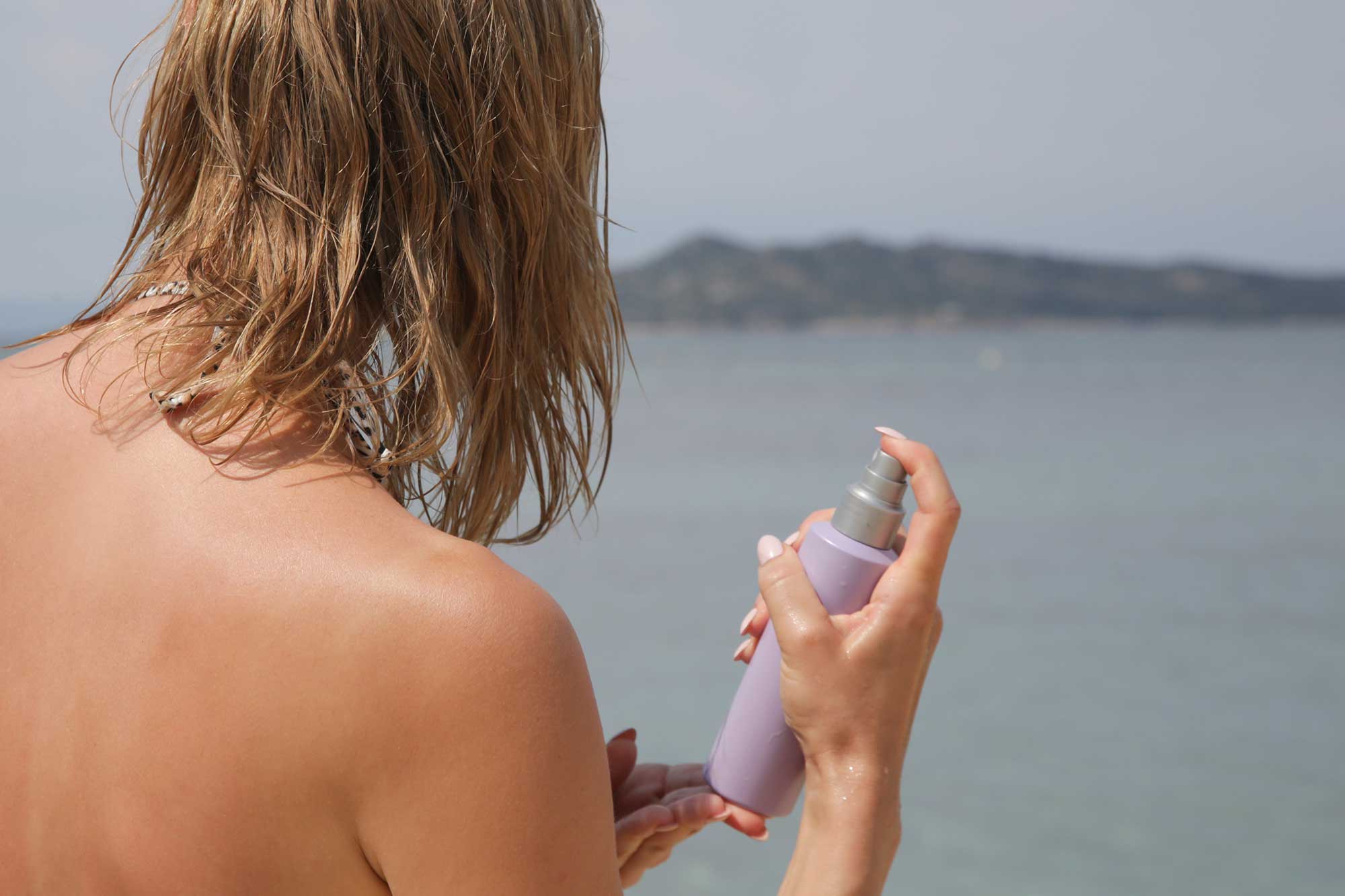
Packaging and formulation need to function as a system. The right component depends on factors including formula compatibility, stability, viscosity, dispensing behaviour, dosage, application method and intended consumer use.
For a spray, pump, tube or stick, the component can influence how easily consumers dispense and apply the product, as well as affecting the testing of the formulation.
Compatibility testing can help identify interactions between formula and component and assess areas such as leakage, component integrity and dispensing performance over time.
Sustainability objectives add another consideration. Material use, component weight and recyclability can be explored alongside technical requirements, ensuring packaging decisions do not compromise formula protection or user experience.

What happens when an SPF moves out of the development lab?
A strong laboratory formulation still needs to become a reliable commercial product. Scale-up is therefore an important part of SPF development.
Moving between laboratory, pilot and full-scale manufacturing environments can introduce variables in mixing, shear, temperature, processing sequence and batch size. For technically complex emulsions and filter systems, understanding how the formula behaves during this transition is critical.
At THG LABS, our development teams work with pilot and manufacturing teams as products progress towards commercial scale, allowing process considerations to be addressed alongside the formulation.
Our manufacturing capabilities also include FDA-registered facilities for OTC sunscreen drug products, supporting brands looking to manufacture applicable SPF products for the U.S. market.
This connected pathway between R&D and manufacturing helps reduce the gap between creating a successful prototype and reproducing it consistently at commercial volumes.
What should brands consider when developing a new SPF product?
The strongest SPF briefs tend to consider the complete product proposition early.
That includes:
- Intended SPF and UVA protection
- Target markets and regulatory pathway
- Product format and application
- Target consumer and skin types
- Desired texture, finish and sensory profile
- Water-resistance requirements where relevant
- Additional cosmetic benefits and claims
- Packaging format
- Testing and substantiation strategy
- Intended commercial volumes and manufacturing requirements
These decisions are interconnected. Establishing them early gives formulation, Regulatory, Packaging and Manufacturing teams a clearer technical framework around which to develop.

ABOUT THE AUTHOR
Roger Rowson
Account Head of R&D, THG LABS
With over 30 years’ experience in cosmetics development, Roger Rowson is Account Head of R&D at THG LABS, where he leads a specialist team of formulators focused on suncare and SPF development.
Working across key customer programmes, research and innovation, Roger brings extensive formulation experience to one of beauty’s most technically demanding categories. He is particularly drawn to SPF because of the combination of complex science, measurable protective performance and the sensory considerations involved in creating products consumers want to use consistently.
Roger is an active member of the Society of Cosmetic Scientists (SCS) and contributes to the CTPA Sun Products Working Group, supporting his continued engagement with developments across suncare science, formulation and the wider regulatory landscape.