Blogs
Cosmetics Manufacturing
Bodycare
Formulating
Trends and Innovation
Innovation
R & D
Why Hands-On Product Immersion Matters in Beauty Innovation
Discover why hands-on product immersion plays a vital role in beauty innovation. Lisa Tucker, Product Development Director at THG LABS, explores how sensory evaluation, texture, fragrance, packaging and application rituals can reveal opportunities that market data alone may miss, helping brands shape products that are distinctive, technically credible and commercially scalable.
Market reports, consumer data and ingredient forecasts provide an essential view of where beauty is heading. Yet some of the most useful product development insights only become apparent when a formula is physically handled, applied and experienced.
August 18, 2026
Lisa Tucker , Product Development Director, THG LABS
Blogs
Why Hands-On Product Immersion Matters in Beauty Innovation
Discover why hands-on product immersion plays a vital role in beauty innovation. Lisa Tucker, Product Development Director at THG LABS, explores how sensory evaluation, texture, fragrance, packaging and application rituals can reveal opportunities that market data alone may miss, helping brands shape products that are distinctive, technically credible and commercially scalable.
Market reports, consumer data and ingredient forecasts provide an essential view of where beauty is heading. Yet some of the most useful product development insights only become apparent when a formula is physically handled, applied and experienced.
August 18, 2026
4 mins read
Lisa Tucker , Product Development Director, THG LABS
- Beyond the Trend Report
- What does hands-on product immersion add to beauty trend analysis?
- Why is sensory design commercially important?
- How are product formats changing the haircare experience?
- Can application rituals strengthen product engagement?
- What can global beauty markets teach product development teams?
- How can this product be recreated?
- What consumer behaviour or product development principle does this reveal?
- Why are fragrance and emotional experience becoming more important?
- How can packaging support product performance?
- How does cross-functional evaluation improve innovation?
- How are product observations translated into development opportunities?
- Why does this matter for beauty brands?
- ABOUT THE AUTHOR:
For beauty brands, structured product immersion can reveal opportunities that market data alone may miss. By assessing formulation, texture, fragrance, packaging and application together, development teams can identify ideas that are distinctive, technically credible and capable of being manufactured at commercial scale.
This matters because consumers rarely experience these elements in isolation. They experience the complete product: how it dispenses, how it feels during application, whether the format makes sense within their routine and whether the performance lives up to the expectation created by the brand.
At THG LABS, hands-on evaluation forms an important part of how we interpret emerging beauty movements. During a recent structured immersion session, specialists from across Product Development, Innovation, Marketing and R&D explored a wide range of hair and scalp care concepts from international markets.
The purpose was not to identify products to emulate. It was to understand the principles sitting behind them.
What consumer needs were these products addressing? How were texture, fragrance and application being used to communicate the product’s benefits? Which concepts offered lasting relevance, and which relied primarily on novelty? Most importantly, what could these observations mean for brands developing products for different consumers, markets and commercial contexts?
What does hands-on product immersion add to beauty trend analysis?
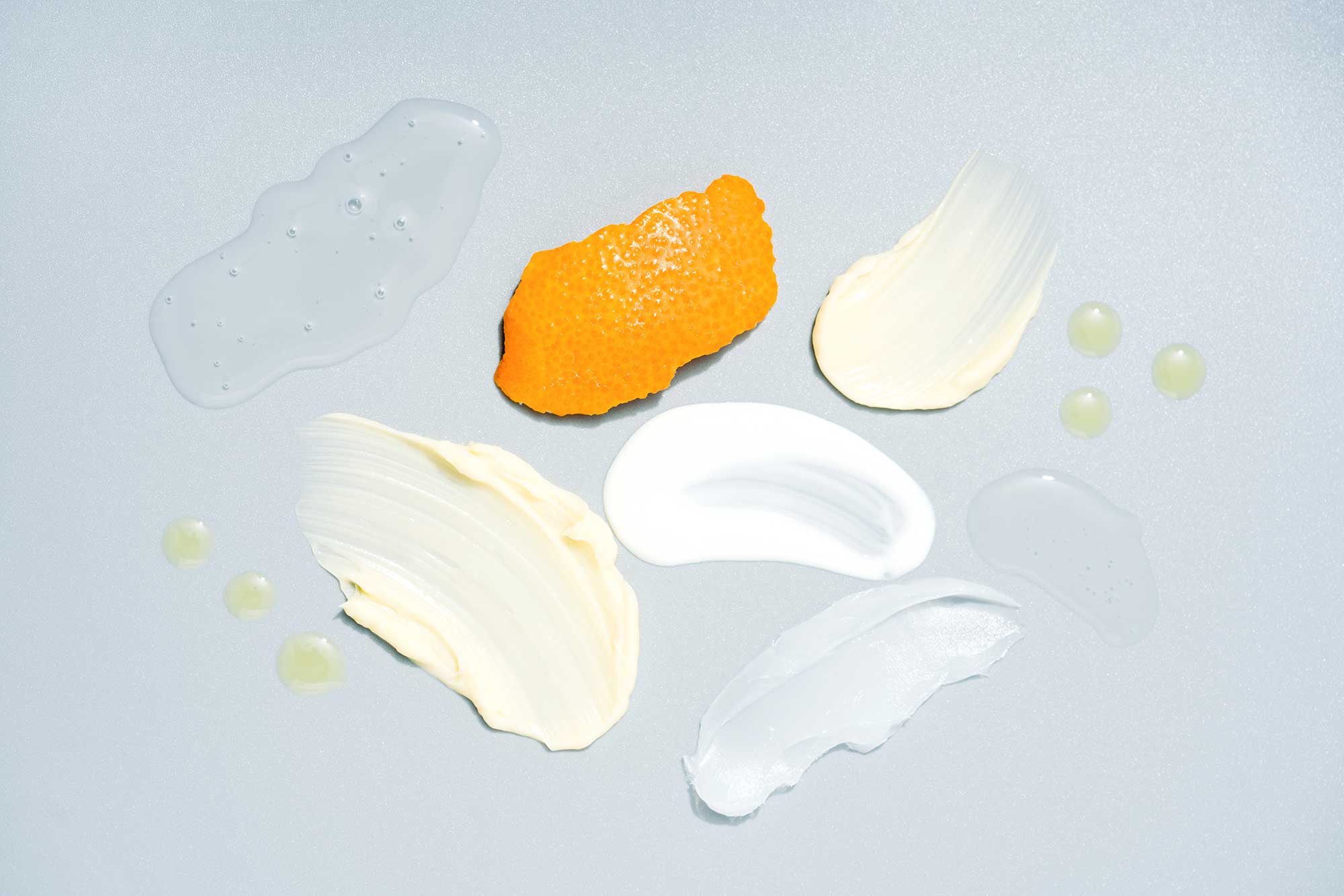
Trend intelligence reveals that consumers are becoming more interested in scalp health, sensory rituals, fragrance or convenient formats. Physical product evaluation helps us understand how those movements are being translated into real products.
A written description might tell us that a formulation is lightweight, cooling or transforming. Handling it uncovers considerably more.
How quickly does the formula spread? Does the sensory effect feel immediate or gradual? Is the finish appropriate for the intended consumer? Does the dispensing mechanism support accurate application? Is the experience intuitive, or would it require significant consumer education?
These details influence whether an idea feels genuinely useful or simply interesting in principle.
Hands-on evaluation also encourages more precise conversations between disciplines. Product developers can examine the consumer proposition. Formulators can assess the structure and sensory profile. Packaging specialists can consider how the component contributes to delivery, while manufacturing teams can begin to identify potential implications for scale-up and filling.
This connected evaluation helps separate a strong concept from a strong product opportunity.
Why is sensory design commercially important?
Consumers cannot immediately see many of the biological effects associated with a cosmetic formulation. They can, however, feel how the product behaves.
Texture, slip, absorption, fragrance and after-feel can all shape the consumer’s perception of performance. They can make a product feel comforting, refreshing, efficient, protective, luxurious or highly targeted.
This gives sensory design a strategic role within development.
For example, a lightweight texture may reinforce a proposition centred on everyday ease or layering. A richer, cushioning formula may communicate comfort and intensive nourishment. A cooling sensation may strengthen a refreshing scalp or post-exposure concept, provided the effect feels appropriate and remains supported by the wider formulation.
The sensory profile must also fit the product’s intended use.
A leave-on scalp product needs to feel precise and manageable. An oil designed for frequent use may need to challenge existing concerns around heaviness or greasiness. An overnight treatment should support the ritual of evening care without creating inconvenience the following morning.
These are formulation decisions, but they are also brand and consumer decisions.
Sensory benchmarking can help brands describe the desired experience with greater accuracy. Rather than asking for a product to feel “premium” or “lightweight”, teams can explore what those qualities should mean during dispensing, application, absorption and finish.
That shared language gives R&D teams a stronger foundation for development.
How are product formats changing the haircare experience?
As previously referenced in much of our content and also our recent Haircare Innovation Trend Report, Haircare is increasingly borrowing the language and architecture of skincare.
Consumers are more familiar with serums, essences, masks, targeted treatments and multi-stage routines. Scalp care is also being segmented around concerns such as oiliness, dryness, sensitivity, build-up and visible signs of hair thinning.
This creates space for different formats, but the format needs a clear purpose.
A targeted applicator may make it easier to place a scalp treatment accurately. A mist may support lightweight, on-the-go application. A solid or portable format can improve convenience, while a transforming texture may make a technical benefit feel more tangible.
The strongest format innovations usually address a practical or emotional need:
- They improve dosage or coverage
- They make an established step easier to use
- They create a new usage occasion
- They support portability
- They make the product benefit easier to understand
- They introduce a satisfying application ritual
- They differentiate the brand within a familiar category
Novelty alone is unlikely to sustain repeat use.
A format may appear highly distinctive during a first trial but become frustrating if it is difficult to dispense, messy to apply or poorly suited to the formulation. Successful development therefore depends on considering the formula, packaging and application behaviour as one system.
Can application rituals strengthen product engagement?
Beauty routines are built around repeated gestures.
Spraying, gliding, massaging, pressing and layering each create a different interaction between the consumer and the product. These actions can influence dosage, coverage and convenience, but they can also alter how the product feels emotionally.
A scalp massage may introduce a moment of relaxation. A fine mist can provide a sense of refreshment during the day. A treatment applied before bed may become part of a wider evening ritual associated with restoration and self-care.
This helps explain the growing relevance of products designed around specific moments rather than broad category conventions.
As our formulation briefs will testify, Haircare isn’t limited to wash, condition and style. We’re creating products developed for pre-wash preparation, overnight use, between-wash refreshment, environmental exposure, scalp comfort or fragrance renewal during the day.
Each additional step needs to earn its place.
As a product developer and manufacturer our product teams help brands consider:
- Is the consumer need clear?
- Is the application behaviour intuitive?
- Does the ritual improve the perceived or measurable performance?
- Will the consumer understand when and how to use the product?
- Does the step fit naturally into the target consumer’s lifestyle?
- Can the brand communicate the benefit simply?
A complicated routine may appeal to highly engaged consumers, but additional steps can also create confusion. Product development teams therefore need to balance discovery and theatre with clarity and ease of use.
What can global beauty markets teach product development teams?
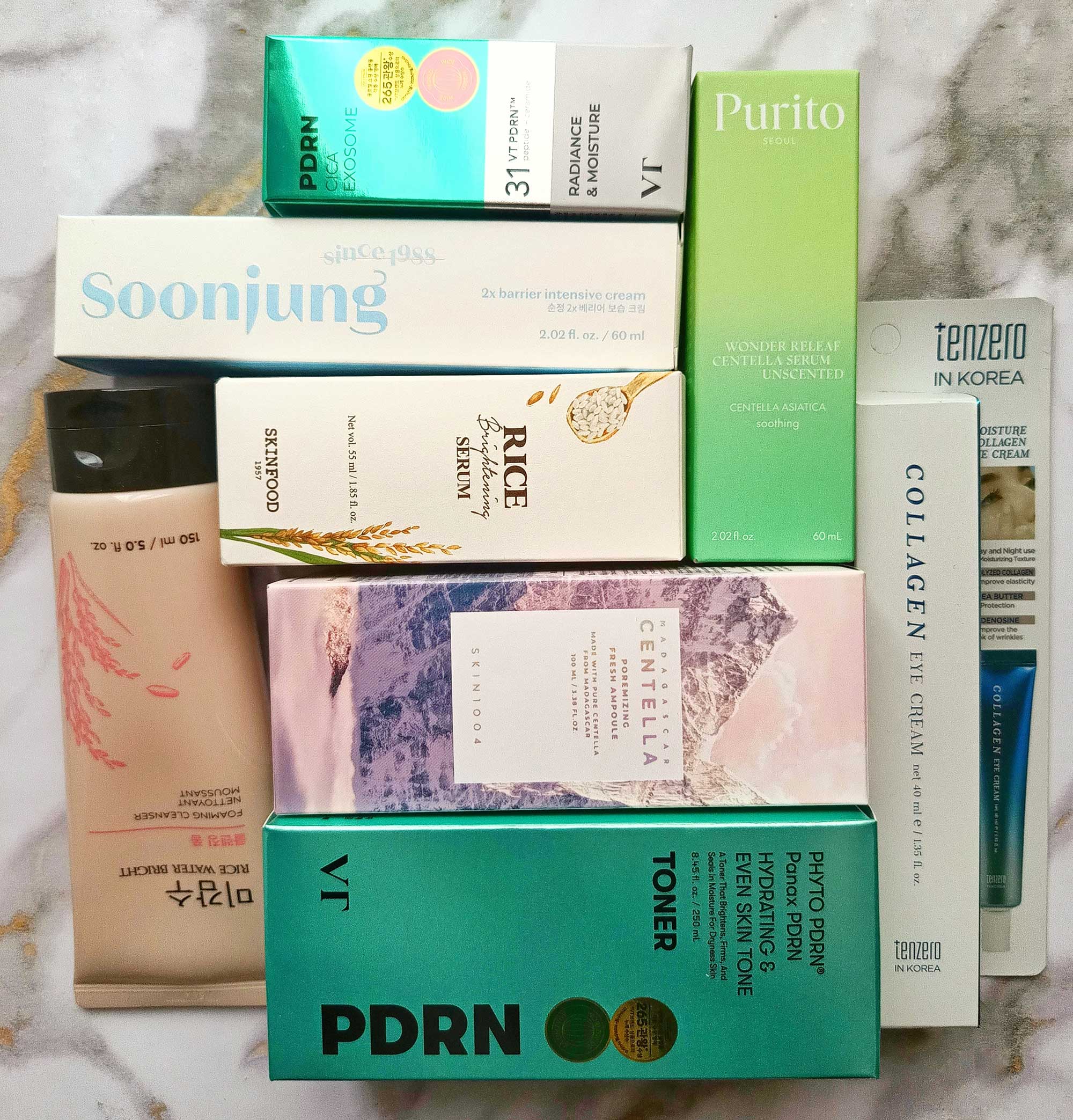
International product immersion can expose teams to consumer behaviours, category expectations and application habits that are less established in their home market.
This is valuable because innovation does not develop evenly across every region. One market may be particularly advanced in scalp diagnostics, another in fragrance rituals, refills or lightweight delivery systems.
However, global inspiration needs interpretation.
A product that succeeds in one market reflects the routines, climate, cultural expectations, retail environment and category knowledge of its consumers. The same format or proposition doesn’t necessarily transfer directly elsewhere.
The most useful question is therefore not:
How can this product be recreated?
It is:
What consumer behaviour or product development principle does this reveal?
A lightweight oil, for example, could indicate a broader opportunity to reconsider how consumers perceive nourishing formats. A highly targeted scalp applicator may reflect demand for greater precision. An evening-use product may signal that consumers are open to treating haircare as part of a wider sleep and recovery ritual.
These principles can then be interpreted in a way that feels relevant to the brand, category and target market.
This approach creates more original development. The inspiration provides a starting point, but the resulting concept is shaped by the brand’s own consumer, positioning and commercial objectives.
Why are fragrance and emotional experience becoming more important?
Fragrance has always played a role in beauty, but its function within haircare is becoming broader.
Scent reinforces product performance, creates a recognisable brand signature and encourages repeat use. It can also support different moments during the day, from refreshing the scalp to preparing for sleep or adding a final layer to a styling routine.
The opportunity extends beyond selecting an attractive fragrance.
Brands can consider how fragrance develops during application, whether it complements the texture and format, and how it connects products across a wider range. Haircare can also participate in the growing interest in scent layering, personalisation and mood-led routines.
However, fragrance needs to be considered alongside the product’s primary purpose.
A scalp treatment addressing sensitivity or discomfort may require a different sensory approach from a product designed primarily for pleasure or self-expression. Fragrance intensity, longevity and compatibility must all be assessed in relation to formula performance, consumer expectations and regulatory requirements.
When approached thoughtfully, scent becomes part of the product architecture rather than a finishing touch.

How can packaging support product performance?
Packaging is often the first visible expression of an innovative concept, but its value extends beyond appearance.
The pack controls how the formula is protected, dispensed and applied. It can affect dosage, compatibility, ease of use and the ability to communicate what makes the product different.
A targeted scalp treatment may require a component that reaches through the hair without leaking. A multi-phase formulation needs to dispense consistently after mixing. A lightweight mist depends on the quality of the spray dispersion, while a rich treatment must work with the chosen pump, tube or jar.
These practical considerations should be explored during development rather than after the formula has been finalised.
Packaging can also help establish the ritual. A mechanism may encourage massaging, precise placement or controlled layering. Refill systems can create another moment of brand interaction, provided the process feels simple and desirable.
Successful packaging innovation therefore requires coordination between Product Development, R&D, Packaging, Regulatory and Manufacturing.
The strongest concept is not always the most complex component. It is the one that delivers the intended experience reliably and can be produced at the required quality, volume and cost.
How does cross-functional evaluation improve innovation?
An emerging concept can appear exciting from a trend perspective while presenting substantial technical or commercial challenges.
This is where connected expertise becomes valuable.
A product developer will recognise the consumer relevance. A formulation scientist will identify the technical route or question whether the desired texture can support the intended ingredients. Packaging specialists will consider compatibility and dispensing, while regulatory teams examine claims and market requirements.
Manufacturing specialists can assess whether the process is likely to transfer effectively from laboratory prototype to commercial batch.
Together, these perspectives help teams explore:
- Whether the consumer need is meaningful
- What makes the concept distinctive
- How the desired experience could be formulated
- Which claims may be supportable
- Whether the packaging is technically suitable
- What testing would be required
- How the product could be manufactured consistently
- Whether the concept remains commercially viable
Rather than reducing creative ambition, it gives that ambition a credible route towards launch.
For brands, early access to this breadth of expertise can help avoid chasing an attractive concept that later proves difficult to stabilise, substantiate, package or manufacture.
How are product observations translated into development opportunities?
The value of a product immersion session lies in what happens after the products have been explored.
Individual observations need to be organised and interpreted. Recurring patterns often highlight changes in consumer expectations, while contrasting approaches can expose unresolved tensions within a category.
A consumer may want intensive performance without heaviness. They may value a detailed ritual but still expect convenience. They may be interested in sophisticated actives while also seeking emotional and sensorial benefits.
These tensions can become useful spaces for innovation.
Insights from immersion inform:
- Product and category workshops
- Future-focused brand discussions
- Development briefs
- Sensory territories
- Format exploration
- Ingredient research
- Packaging concepts
- Claims strategies
- Longer-term innovation pipelines
Not every observation should become a product. The role of an experienced development team is to filter ideas against brand relevance, consumer value, technical feasibility, compliance, scalability and commercial potential.
This is what turns inspiration into a focused development opportunity.
Why does this matter for beauty brands?
Beauty brands need product development and manufacturing partners that can contribute before a detailed brief is complete.
A valuable partner should be able to recognise emerging consumer behaviours, interrogate new product experiences and identify the principles with the greatest commercial relevance. It should also have the scientific, regulatory, packaging and manufacturing expertise required to determine whether an idea can become a successful product.
At THG LABS, our full-service offer combines market and trend intelligence with hands-on product evaluation, formulation science and commercial feasibility.
Our integrated teams consider how a product feels, how it is used, how it communicates its benefits and how it could be manufactured consistently at scale. This allows us to help brands explore opportunities without pursuing novelty for its own sake.
The objective is product innovation with a clear reason to exist. Innovation that responds to a genuine consumer need, expresses the identity of the brand and performs successfully throughout development, testing and commercial manufacture - because insight becomes valuable when it can be translated into a product consumers understand, enjoy and choose to use again.
ABOUT THE AUTHOR:
Lisa Tucker - Product Development Director at THG LABS
With over 30 years’ experience in beauty manufacturing, Lisa Tucker is Product Development Director at THG LABS. Working across customer briefs, product strategy and cross-functional development to help beauty brands translate market opportunities into technically credible, commercially scalable products.