Blogs
Formulating
Innovation
Bodycare
Cosmetics Manufacturing
Trends and Innovation
SPF
Skincare
Scalpcare
Suncare
2026 Suncare Report Q&A - Part 3
Reapplication is one of suncare's biggest untapped opportunities but only if the format makes people want to use it again. Roger Rowson, Account Head of R&D at THG LABS, explains why format and texture are becoming as important as protection itself, drawn from insights in our 2026 Suncare Trend Report
July 15, 2026
Roger Rowson, Account Head of R&D
Blogs
2026 Suncare Report Q&A - Part 3
Reapplication is one of suncare's biggest untapped opportunities but only if the format makes people want to use it again. Roger Rowson, Account Head of R&D at THG LABS, explains why format and texture are becoming as important as protection itself, drawn from insights in our 2026 Suncare Trend Report
July 15, 2026
6 mins read
Roger Rowson, Account Head of R&D
- 2026 Suncare Report Q&A - Part 3
- Q1. Why is reapplication such an important focus within suncare innovation?
- Q2. What prevents consumers from reapplying more frequently?
- Q3. What role does cumulative UV exposure play in long-term skin health?
- Q4. How is formulation helping address the reapplication challenge?
- Q5. Which formats are generating the most excitement in this space?
- Q6. What does this mean for brands developing the next generation of SPF?
Good SPF used to mean one thing: reliable defence against UV exposure, with success largely measured through SPF value, broad-spectrum protection and water resistance. But that's no longer where the innovation conversation ends. This theme is explored in depth in our Suncare 2026 Trend Report, and in this instalment of the Q&A series, we sat down with Roger Rowson, Account Head of R&D at THG LABS, to talk about the reapplication challenge – why cumulative UV exposure matters more than most consumers realise, and how formulation and format are becoming the real levers for building protection into everyday habits, not just holiday routines.
Want the full picture? Read our latest 2026 Suncare Report for the trends, data and innovation opportunities shaping the category's next phase.
Q1. Why is reapplication such an important focus within suncare innovation?
The industry has spent decades improving protection. The next opportunity is helping consumers maintain that protection throughout the day.
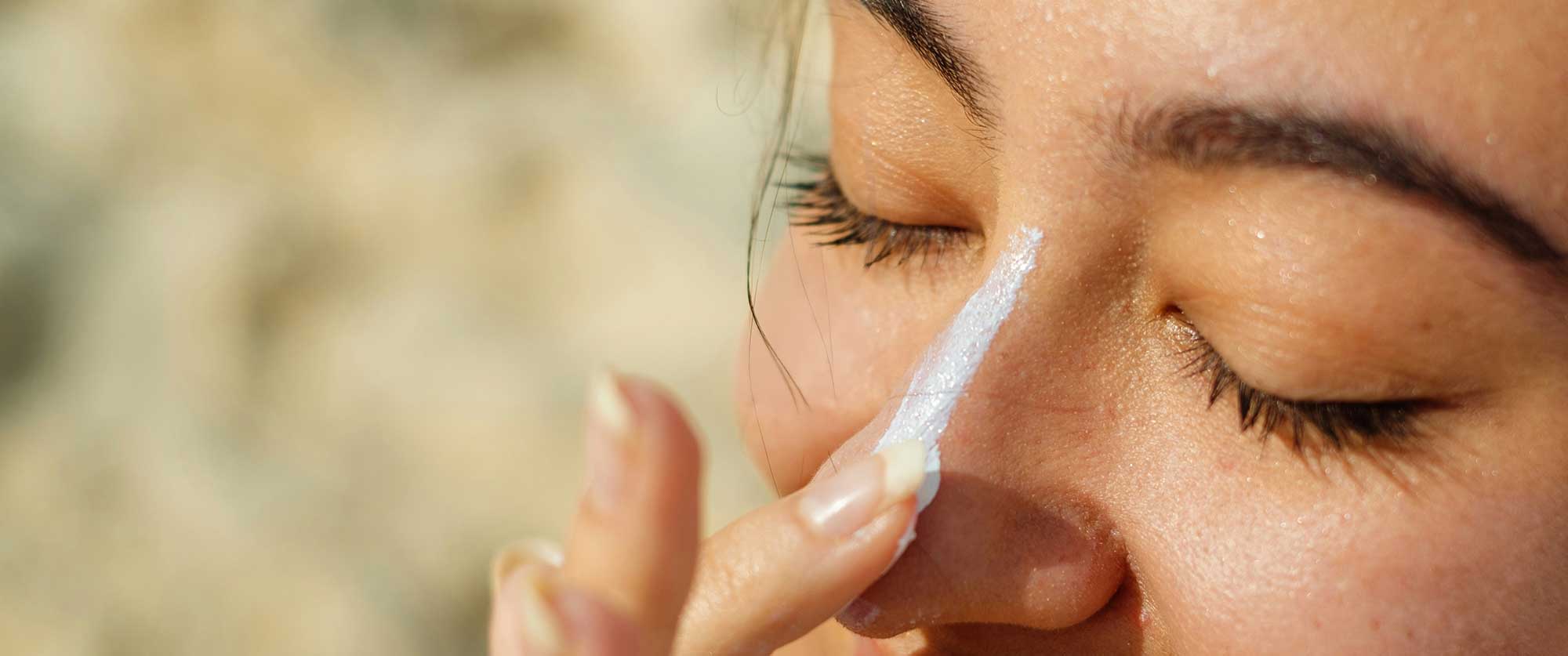
Real-world conditions such as sweat, humidity, and everyday wear all reduce SPF performance over time. That's why reapplication has become one of the category's biggest innovation opportunities.
But formulation is only part of the innovation challenge. Consumer education is equally important. More people understand the value of SPF, yet many still don't realise that regular reapplication is essential for maintaining protection.
For formulators, that creates a clear opportunity: develop lightweight, enjoyable formats that make reapplication quick, convenient and easy to build into everyday routines.
Q2. What prevents consumers from reapplying more frequently?
Convenience plays a significant role.
Consumers are far more likely to reapply when the experience feels pleasurable. If a product is heavy, sticky, disruptive to make-up or difficult to carry, it creates friction within the routine. Conversely, products that are easy to apply, pleasant to wear and designed around real-world behaviours are much more likely to become part of every day rituals.
This is why format, texture and portability have become such important considerations within product development. The most effective SPF product will always be the one that consumers want to use. Get this right and you can help turn good intentions into regular habits.
Q3. What role does cumulative UV exposure play in long-term skin health?
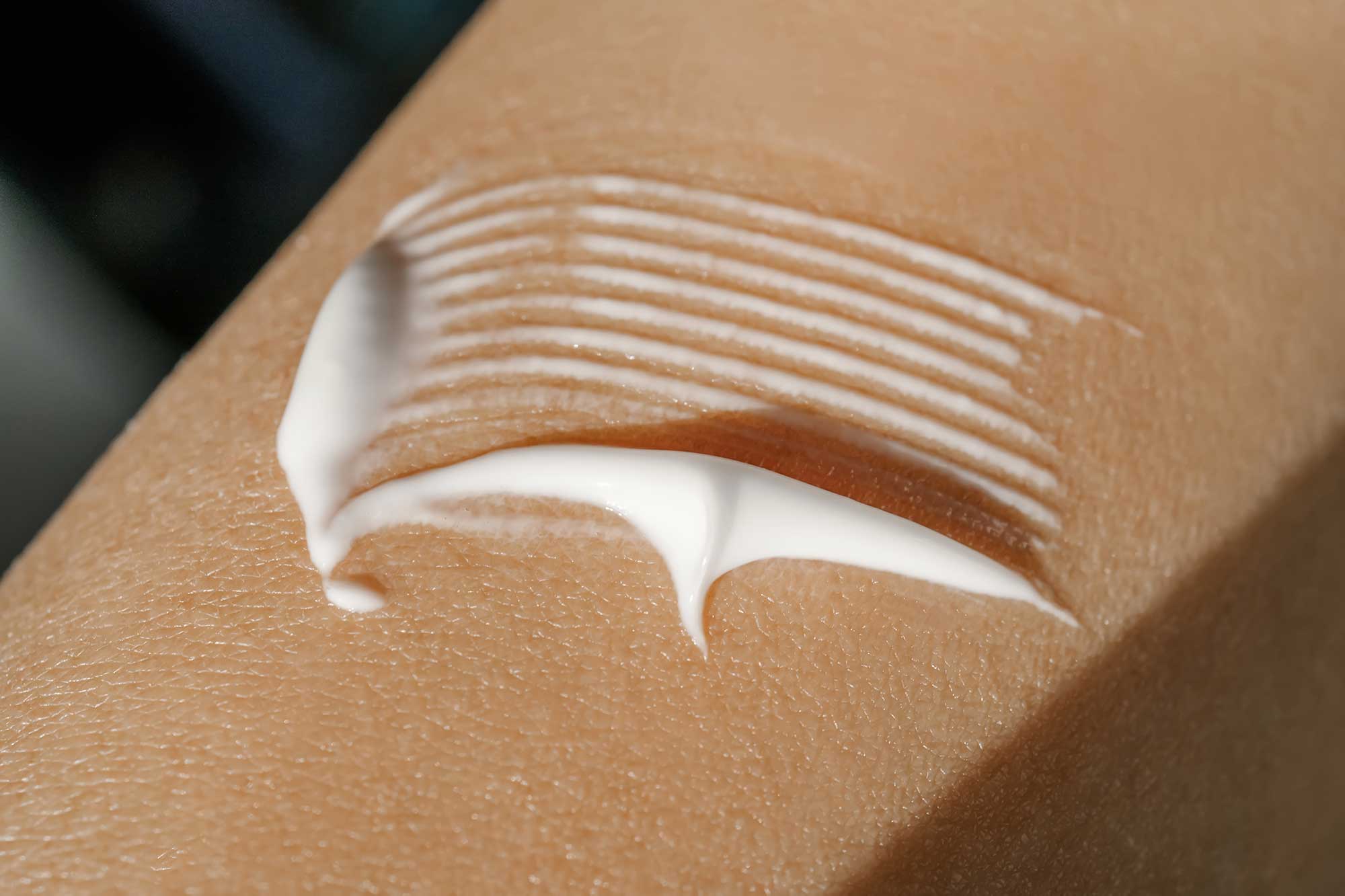
UV damage is cumulative, making it one of the biggest drivers of visible skin ageing.
Unlike sunburn, which is immediate, cumulative exposure is the total amount of UV radiation the skin absorbs over a lifetime. Even small amounts of daily exposure add up.
Over time, this contributes to photoageing, pigmentation changes, loss of elasticity and DNA damage that can increase the risk of skin cancer.
Rather than being viewed as a holiday purchase, consumers are recognising SPF as an everyday skincare habit that helps protect long-term skin health.
Q4. How is formulation helping address the reapplication challenge?
By making protection easier to integrate into everyday life.
Historically, sunscreen was often designed around protection first and experience second. In the current context, as product developers and formulators our focus is on creating products that combine efficacy with wearability. Texture, finish, absorption speed and compatibility with make-up all influence whether consumers reach for a product more than once a day.
Formulation plays a central role in reapplication.
Q5. Which formats are generating the most excitement in this space?
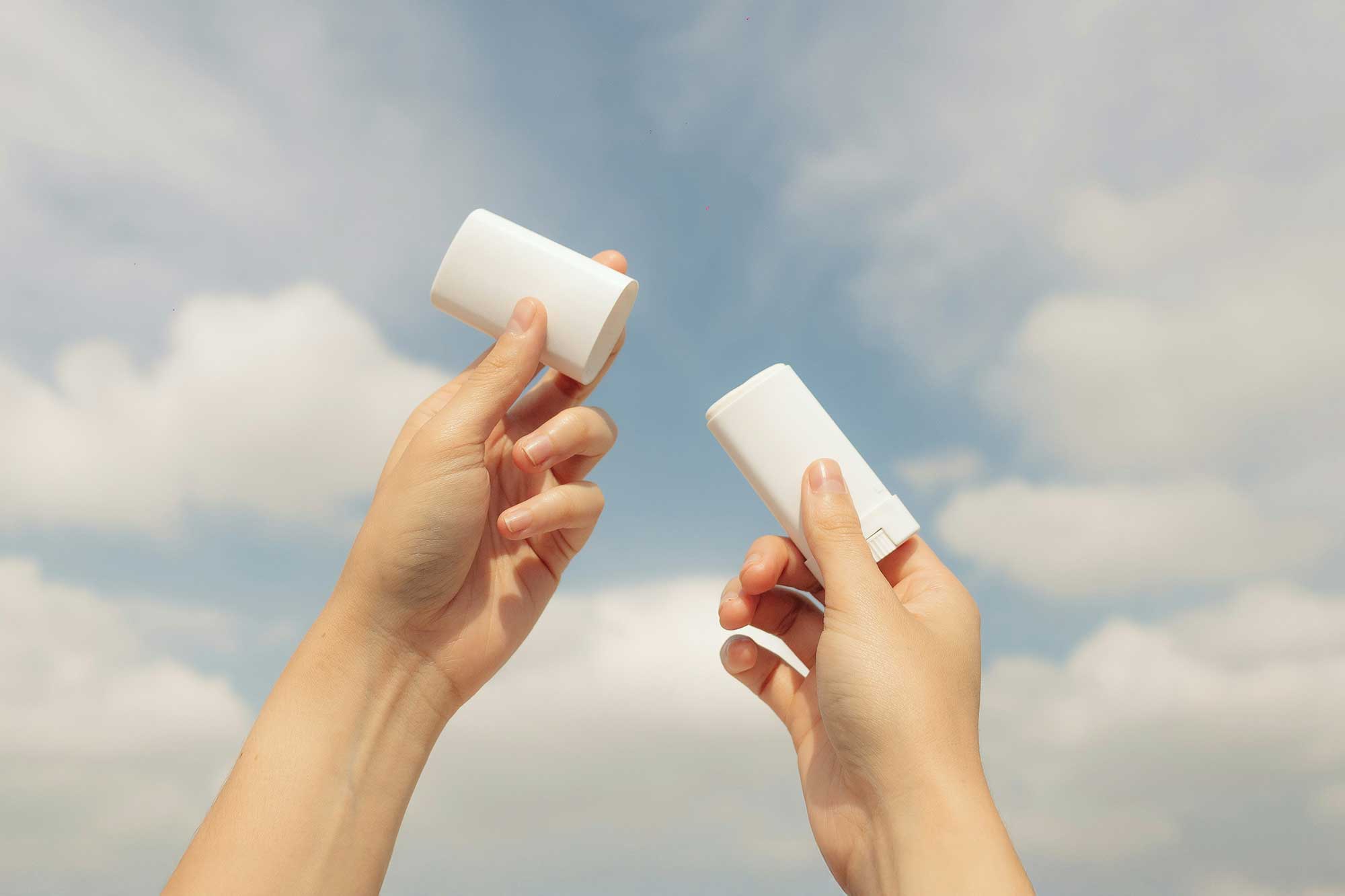
We're seeing strong interest in formats that fit naturally around modern lifestyles. Mists, sticks, powders and portable on-the-go formats are all helping make top-ups quicker and more convenient.
What's particularly interesting is that format innovation is being driven by behaviour rather than category conventions. The emphasis is on products that fit specific moments, occasions and consumer needs, making protection easier to maintain throughout the day.
Q6. What does this mean for brands developing the next generation of SPF?
The opportunity extends well beyond protection claims alone.
The most successful products will combine robust UV defence with elegant textures, intuitive formats and a user experience that encourages repeat use. As SPF becomes more deeply embedded within beauty and skin health routines, brands have an opportunity to rethink how protection is delivered, experienced and maintained throughout the day skincare and secondary SPF products.
For a deeper dive on this and other factors impacting the future direction of suncare, check out our latest report.