Blogs
Biotechnology
Bodycare
Cosmetics Manufacturing
Haircare
Scalpcare
Skincare
Trends and Innovation
SPF
Sustainability
The Future of Beauty Is Already Here: Key Takeaways from the CEW Future of Beauty Summit
The CEW Future of Beauty Summit brought together brand leaders, retail strategists and digital experts to map where the industry is heading. From the rise of AI-driven discovery and longevity science to the growing expectations of expert creators and a reimagined physical retail experience, the standards being applied to beauty products are rising across every dimension at once. Here, our Head of Marketing & Communications, Jessica Lawther, shares the key takeaways and what they mean for brands building products today.
April 27, 2026
Jessica Lawther , Head of Marketing & Communications, THG LABS
Blogs
The Future of Beauty Is Already Here: Key Takeaways from the CEW Future of Beauty Summit
The CEW Future of Beauty Summit brought together brand leaders, retail strategists and digital experts to map where the industry is heading. From the rise of AI-driven discovery and longevity science to the growing expectations of expert creators and a reimagined physical retail experience, the standards being applied to beauty products are rising across every dimension at once. Here, our Head of Marketing & Communications, Jessica Lawther, shares the key takeaways and what they mean for brands building products today.
April 27, 2026
6 mins read
Jessica Lawther , Head of Marketing & Communications, THG LABS
The CEW Future of Beauty Summit brought together some of the industry's sharpest thinkers – brand leaders, technologists and retail strategists – to map where beauty is heading. As a product development and manufacturing partner to brands across skincare, haircare, bodycare and beyond, we attend events like this to understand how the shifts happening at industry level translate into real consequences for product development.
Here is what stood out for Jessica Lawther, our Head of Marketing and Communications, who outlines takeaways from the day in terms of how these changes will potentially impact brands building products in the next few years.
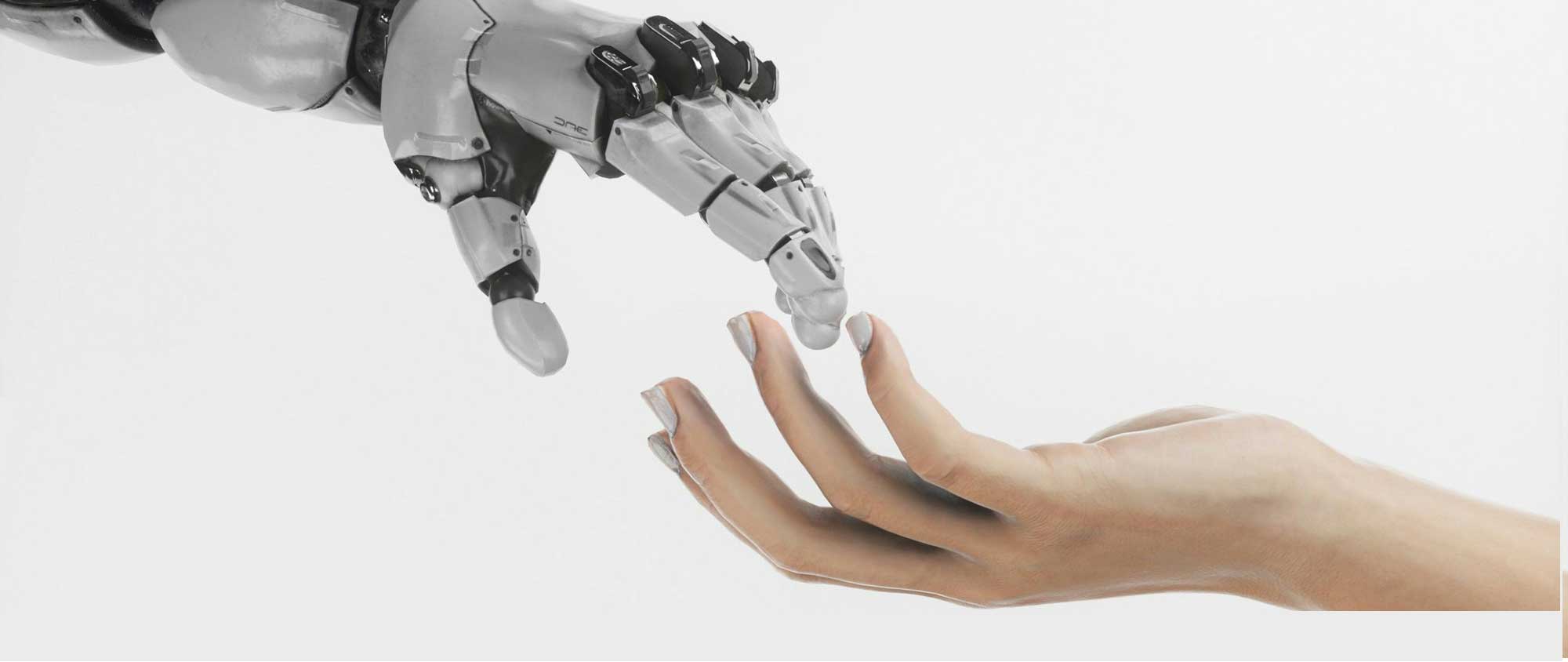
1. AI is defining how consumers find beauty products
The conversation around AI at this year's summit moved decisively beyond speculation. Keynote speaker Natasha Kizzie, Head of Pureplay Lifestyle at Google confirmed that AI Overviews are now used by over two billion people daily. Critically, 96% of frequent LLM users are using traditional search more, not less.
What this means for beauty specifically is significant. Speakers including those from Google and retail intelligence platform Yotpo noted that beauty is one of the categories most naturally suited to AI-driven discovery given it is content-rich, recommendation-heavy, and emotionally engaged. The consumer who arrives via an LLM recommendation has typically already done considerable research. They are, as one speaker noted, arriving "ready to transact."
However, the infrastructure most brands have built (their product pages, their content, their claims) was not designed to be read and synthesised by a machine. Structured, accurate, substantiated product information is the foundation of whether a product gets recommended by an AI at all.
Amazon's AI shopping assistant Rufus is reportedly on track to drive $10 billion in incremental revenue in 2026. Google's Universal Commerce Protocol is launching in the UK. The brands that will benefit are those whose product data is clean, their claims are substantiated, and their ingredient stories are clearly told.
2. Longevity science is the fastest-growing frontier in beauty with consumers leading the charge
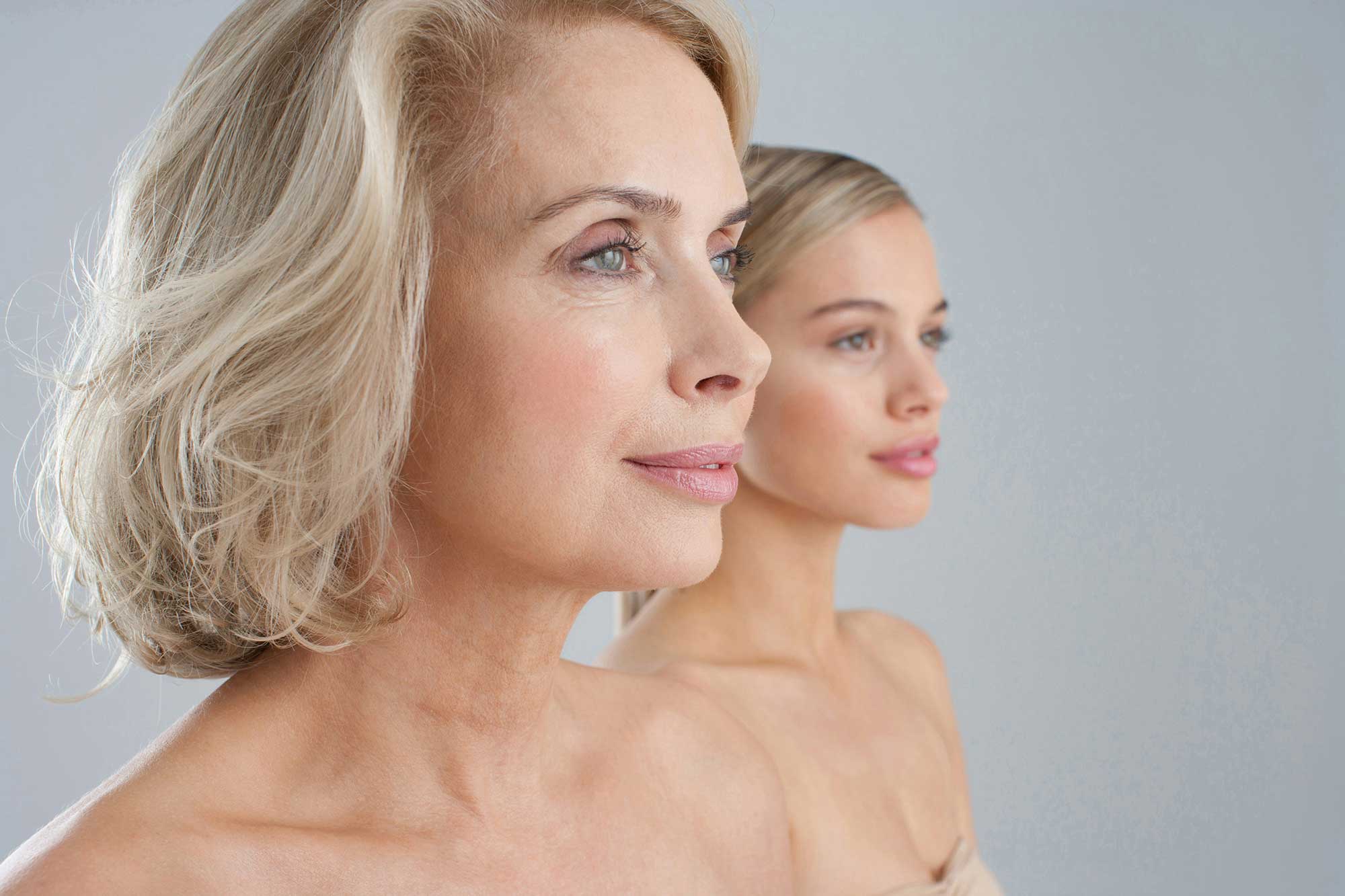
If there was a single ingredient trend dominating conversation at the summit, it was longevity. The anti-ageing category, long a staple of premium skincare, is being radically reframed around cellular science, regenerative actives and the language of biological health rather than cosmetic correction.
Speakers and market data pointed to a striking set of numbers: age management products grew over 150% year on year in the US. Exosome therapy as a treatment modality is up over 300% in the UK. PDRN serums – derived from salmon DNA and popular in medical aesthetics – are entering the mainstream consumer market at pace. Peptides and collagen-stimulating actives continue to grow, but rather than prevention the conversation is about genuine regeneration.
This matters for formulation for several reasons. First, consumers arriving with this level of knowledge (often informed by dermatologists and expert creators on social media) have high expectations for ingredient authenticity and efficacy evidence. They will look up what is in a product. They will ask questions. A formula that cannot be substantiated in plain language, at multiple levels of complexity, will lose credibility quickly.
From a product development and innovation standpoint we’ve been talking about the skinification of adjacent categories for some time. The is now accelerating further down the pipeline. The serum format, the delivery vehicle of choice in facial skincare, is well established in scalp care, with a specific focus on hair loss and scalp health. As we identified many times in our recent Trend Reports, the actives conversation in haircare is echoing where facial skincare was five years ago. For product developers, this represents a meaningful opportunity to bring proven bioactive expertise into new product territories.
Third, the boundary between beauty and wellness is becoming increasingly difficult to define. Brands are finding that consumers who invest in longevity-focused supplements expect the same rigour from their topical products.
3. How Content and Formulation Influence One Another
One of the most practically useful sessions at the summit came from FlixMedia, whose team presented real conversion data across UK beauty categories. The findings were striking in their specificity and in the degree to which they challenge assumptions many brands still hold.
According to the information they shared, in skincare, the content types that most reliably convert are visual step-by-step demonstrations paired with scientific language. Not infographics. Not bullet-pointed claims. Not lifestyle imagery. A consumer in the market for a serum wants to understand what it does, how it works, and how to use it in language that respects their intelligence.
In fragrance, brand identity and stylised imagery outperform product demonstrations – an emotionally driven category requires emotionally resonant content. In haircare, before-and-after results in an aesthetic, professional tone lead conversion. In cosmetics, shade breadth and full-bleed visual range are decisive.
What this tells us is that the content a brand builds around a product should be informed by the same thinking that goes into the product itself. The formulation brief and the content brief are not separate conversations. The ingredients chosen, the textures designed, the performance claims substantiated, all of these feed directly into the content that will determine whether the product converts.
Medik8's digital team shared a particularly instructive example: their investment in structured FAQ content and knowledge repositories had an immediate and measurable impact not only on customer service efficiency, but on the quality of AI-generated responses when consumers asked questions about their products. When the source material is rigorous, the outputs, whether human or machine-generated, are better.
4. The creator economy is maturing and expertise is winning
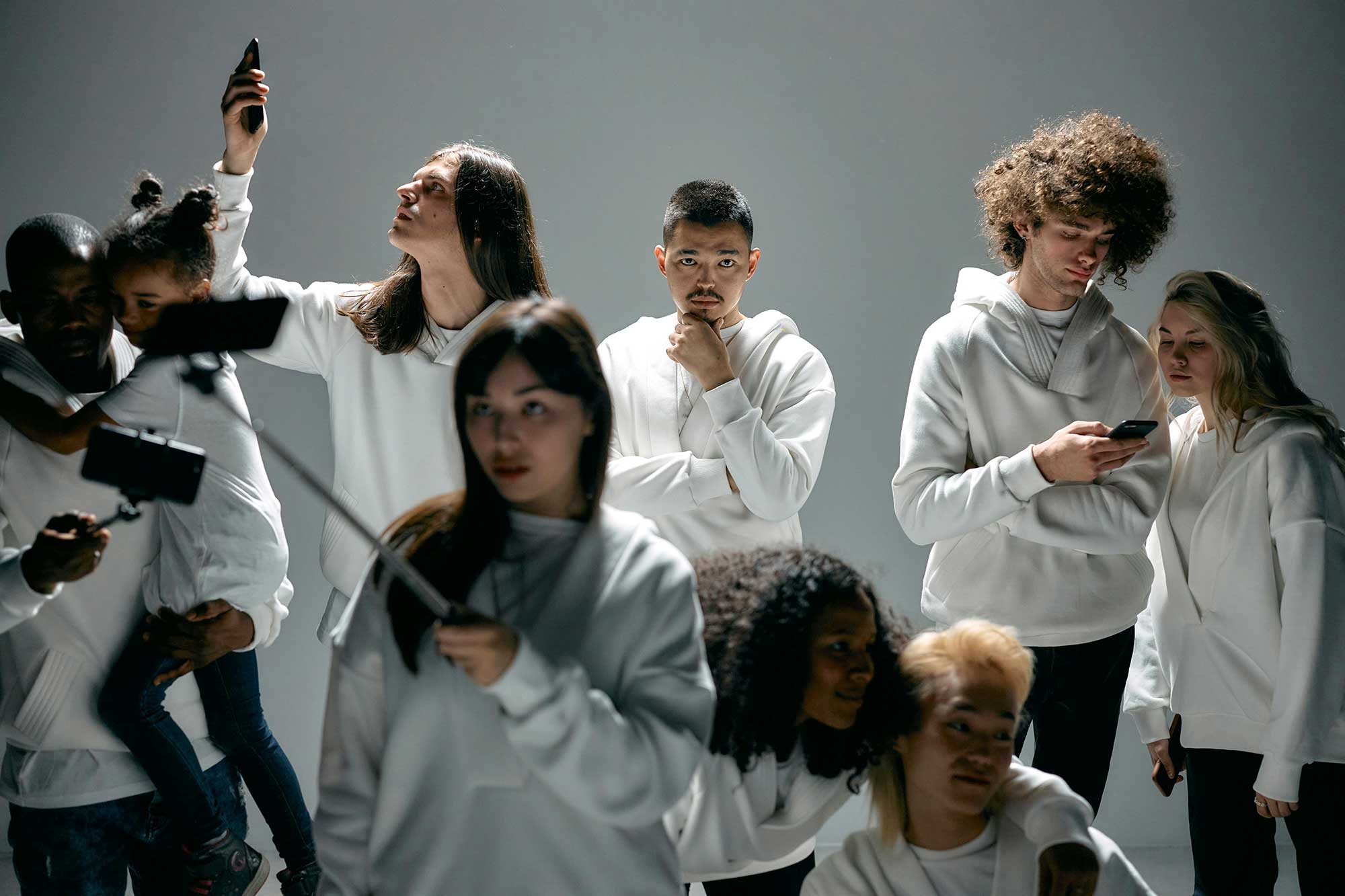
The influencer landscape in beauty has undergone a structural shift. Several speakers noted a clear trend away from creators valued primarily for their aesthetic reach, and towards those with genuine, engaged communities and, increasingly, professional credentials.
Dermatologists, estheticians, cosmetic scientists and medical aesthetics practitioners are among the fastest-growing creator categories in beauty. Their audiences are smaller than the mega-influencers of five years ago, but their conversion rates and trust levels are significantly higher. A recommendation from a board-certified dermatologist carries a different weight than an unboxing video, and brands need to be ready for that level of scrutiny.
This has practical implications for product development. A formula that cannot be explained accurately, in clinical language, by a professional without contradicting the on-pack claims, is a liability in this environment. Ingredient choices need to be defensible. Concentration levels need to be meaningful. Claims need to be evidence-based.
At the same time, speakers noted that comedy, storytelling and unexpected voices can still drive awareness at scale, particularly for product categories where trial and discovery are the primary barriers. The strategic question for brands is matching creator type to objective: awareness versus education versus conversion all benefit from different voices.
Pinterest was highlighted as a platform whose role is frequently underestimated: it shapes purchase decisions six to twelve months before the transaction occurs. In fragrance specifically, purchase journeys involve an average of thirteen touchpoints before a buying decision is made.
5. Physical retail is being reimagined
Despite the acceleration of digital discovery, physical retail remains a critical touchpoint for beauty, but its purpose is being redefined. Speaker Clare Cryer who is VP at Outform described the emerging vision of the beauty store as a "confidence engine": a place where consumers can touch, smell, try and be guided, before completing their purchase wherever they choose.
This has implications for the products that succeed in retail environments. Formulations designed for the shelf need to perform in the moment of trial. Texture, scent, finish, and application experience are part of the retail proposition. A product that photographs well but feels wrong on skin will not convert in a store environment, regardless of how good its PDP looks.
The growth of social selling with TikTok Shop and its equivalents was also discussed extensively, with strong indications that luxury beauty brands are beginning to engage seriously with these channels for the first time. The meeting point of entertainment and transaction changes what a product needs to do in the moment of consideration. Immediacy, visual performance and intuitive use all become more important.
What this means for brands building products today
The thread connecting all of these trends is that the standards being applied to beauty products (by consumers, by AI systems, by expert creators, by retail buyers) are rising simultaneously across multiple dimensions.
A product in 2026 needs to be efficacious with substantiated claims to back it up. It needs to perform in a physical trial environment and in a thirty-second video. Its ingredient story needs to satisfy a dermatologist's scrutiny and an LLM's fact-check. Its content ecosystem needs to speak in the language of the consumer who has already done three hours of research, as well as the one who has just seen a recommendation and wants to understand quickly.
None of this is insurmountable but it does require that the briefing process, the formulation decisions, and the documentation that sits alongside a product are treated as connected rather than separate workstreams handed off between departments.
This is reflective of where the industry is going, and on the evidence of the CEW Future of Beauty Summit, it is going there faster than many brands are currently prepared for.
THG Labs is a full-service product development and manufacturing partner to leading beauty and personal care brands. To discuss how emerging trends translate into product strategy, contact our team.
ABOUT THE AUTHOR
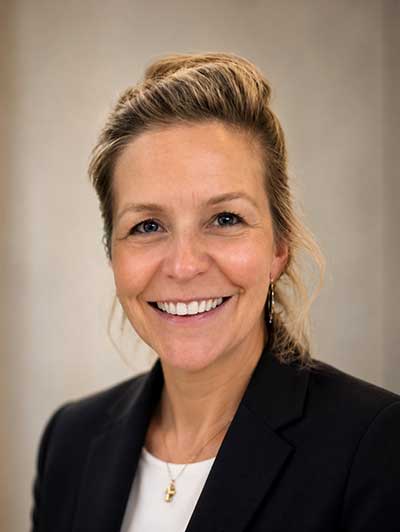
Jessica Lawther
Head of Marketing and Communications, THG LABS
Having over 20 years' experience across beauty, FMCG and publishing, she brings a combination of deep industry expertise and insight on the direction of beauty today.
Starting out in magazines with roles at Hello! and Hearst titles, her career spans some of the most respected names in prestige beauty — including Estée Lauder, La Mer, Tom Ford Beauty and Unilever, giving her an insider's understanding of beauty from formulation through to consumer culture. She has also consulted for a wide range of household brands across fashion, food and drink, and lifestyle.
At THG LABS, Jessica works at the intersection of science and narrative — translating complex skin science, ingredient innovation and consumer trends into compelling stories. It is this perspective, that informs her thinking on where our beauty is headed. She is also a member of the Communications and Public Affairs Advisory Group for the CTPA (Cosmetic, Toiletry and Perfumery Association), reflecting her wider commitment to facilitating conversation across the industry.